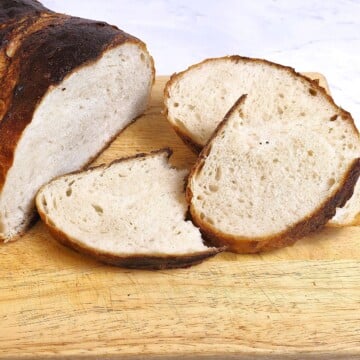

There is nothing quite like the aroma of a freshly baked sweet bread recipe filling your home. This version is the ultimate comfort food: incredibly soft, pillowy, and lightly golden. While this recipe is a cherished Transylvanian Easter tradition in my kitchen-known as Cozonac-its versatile, brioche-style dough makes it the perfect homemade sweet bread for any time of year. Whether you enjoy it toasted with a thick layer of butter for breakfast or served alongside a festive holiday meal, this easy-to-follow guide will help you master the art of the perfect sweet loaf every time.
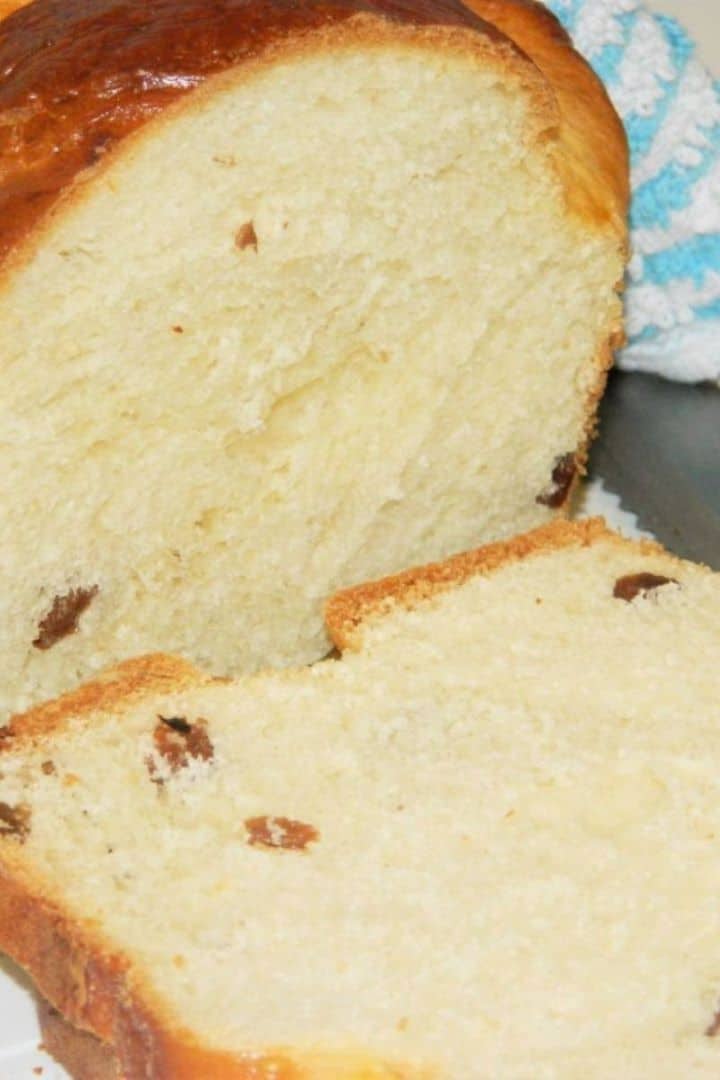
While this sweet bread recipe is a year-round favorite in my home, it truly shines during the holidays. In Transylvania and Hungary, no Easter or Christmas table is complete without a golden, braided loaf of Cozonac. It symbolizes celebration and family gathering, often filling the house with the scent of citrus and vanilla on a Sunday morning.
The inspiration for this dough actually came from my popular Authentic Homemade Potato Bread Recipe, where I mastered the art of the perfect "shreddy" crumb. If you've tried that recipe, you'll recognize the same dedication to a soft, long-lasting texture here, but with a decadent, sweet twist.

In our family, we love the contrast of sweet and savory. While many enjoy a slice plain, this bread pairs incredibly well with a hearty meal. For a truly authentic experience, I highly recommend serving it alongside my Sauteed Chicken Livers with Onion. The richness of the livers and the slight sweetness of the bread create a balanced, gourmet flavor profile that will surprise your guests!
Jump to:
- Ingredients for the Perfect Sweet Bread
- 💡Timea's Pro-Tips for Ingredients:
- Watch: How to Make the Best Sweet Bread (Video Tutorial)
- Step-by-Step Instructions
- Delicious Variations to Try
- How to Serve Your Homemade Sweet Bread
- How to Store Your Sweet Bread
- Top Tips for the Perfect Sweet Bread
- Frequently Asked Questions
- Join the Timea's Kitchen Community!
- Related
- The Best Homemade Sweet Bread
Ingredients for the Perfect Sweet Bread
The secret to a truly fluffy sweet bread recipe lies in the quality of your ingredients. For the best results, ensure your dairy and eggs are at room temperature before you begin.
Ingredients For the Dough:
- 500g Wheat Flour (Type 000): This is a fine, high-protein flour common in Europe that creates a silky, light crumb. If you are in the US, Bread Flour or a high-quality All-Purpose Flour works well.
- 25g Fresh Yeast: Or substitute with 2 teaspoons of Active Dry Yeast.
- 300ml Whole Milk: Warmed slightly (not hot!) to activate the yeast.
- 40g Granulated Sugar: Just enough to sweeten the dough without making it heavy.
- 2 Large Egg Yolks: These provide the rich, golden color and tender texture.
- 50g Unsalted Butter: Melted and slightly cooled.
- 50g Brown or Yellow Raisins: For those sweet, juicy bursts in every bite.
- 1 teaspoon Rum Essence: This is the signature aroma of a traditional Transylvanian Cozonac.
- Pinch of Salt: To balance the sweetness and strengthen the gluten.
For the Golden Glaze:
- 1 Egg + 1 tablespoon Milk: Whisked together to create that beautiful, shiny crust.
💡Timea's Pro-Tips for Ingredients:
- The Yeast Test: Always "proof" your yeast in the warm milk and a spoonful of sugar for 15 minutes. If it doesn't get bubbly and foamy, your yeast might be old. Starting with active yeast is the only way to ensure a fluffy sweet bread.
- Plumping the Raisins: Don't skip soaking the raisins in hot water and rum essence! This prevents them from drawing moisture out of your dough and keeps them tender after baking.
- Flour Quality: If your dough feels too sticky after 10 minutes of kneading, add flour one tablespoon at a time. The humidity in your kitchen can affect how much flour the dough needs.
Watch: How to Make the Best Sweet Bread (Video Tutorial)
If you are new to working with yeast dough, sometimes seeing the texture is better than reading about it! In the video below, I'll show you exactly how I knead the dough by hand and the secret to getting that perfect, tight braid. Watching the dough double in size is the most satisfying part of this sweet bread recipe!
Step-by-Step Instructions
To achieve that signature airy texture, follow these steps carefully. The secret to a successful homemade sweet bread is patience during the rising phases!
1. Proof the Yeast (The Foundation)
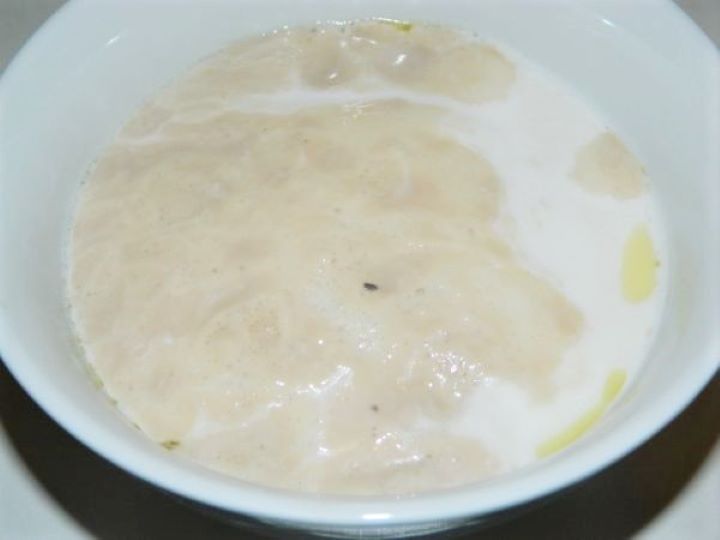
Start by crumbling 25 g of fresh yeast (or 2 teaspoon dry yeast) into 300 ml of warm milk. Add one tablespoon of the sugar and stir gently.


Let it sit in a warm, draft-free spot for 15-20 minutes. You'll know it's ready when a thick, foamy head forms on top.
2. Prepare the Raisins
While the yeast proofs, place your raisins in 100 ml of hot water mixed with a teaspoon of rum essence. Let them soak for 10 minutes, then drain and pat them dry with a paper towel. This ensures they stay juicy without making the dough soggy.

3. Mix the Dough
In a large mixing bowl, combine 500g of flour, the remaining sugar, and a pinch of salt.

Create a well in the center and add the two egg yolks and the melted (but cooled) butter. Slowly pour in the foamy milk mixture.

4. The Kneading Process
- By Hand (Recommended): I love to feel the dough transform. Knead for about 15 minutes. At first, it will be sticky, but as the gluten develops, it will become smooth and pull away cleanly from the sides of the bowl.
- By Mixer: Use a dough hook attachment on medium-low speed for about 8-10 minutes until the dough is elastic.

5. The First Rise
Lightly coat the dough ball with a dusting of flour, cover the bowl with a clean kitchen towel, and leave it in a warm place. Let it rise for 1 to 1.5 hours, or until it has doubled in volume.
6. Shape and Braid
Transfer the dough to a floured surface. Divide it into four equal parts.
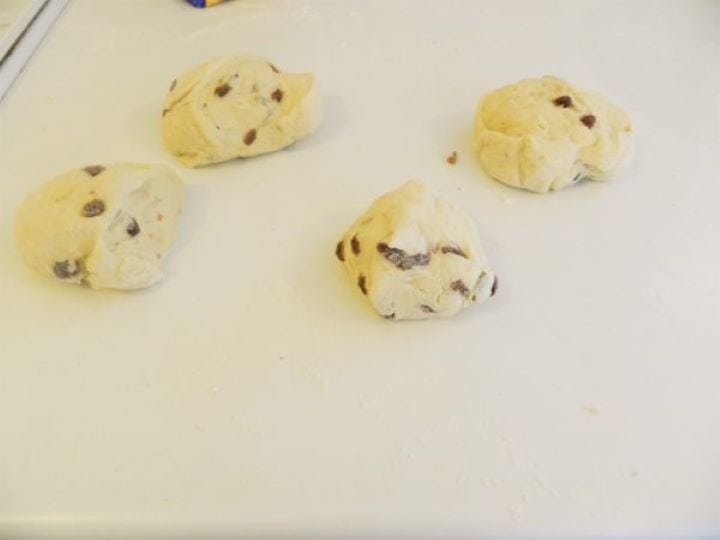
Roll each piece into a long rope (about 15-16 inches).
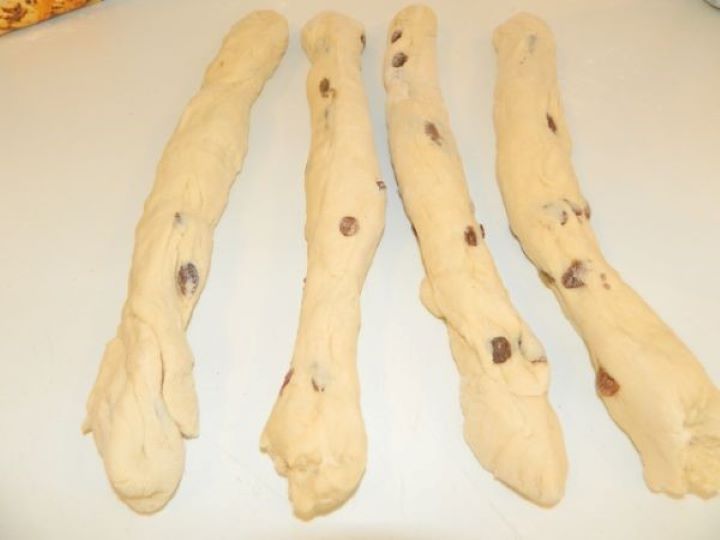
Braid the ropes together to create that beautiful, traditional look.
7. The Second Rise
Place your braided loaf into a greased and floured baking tin. Cover it again and let it rest for another 30 minutes. This "second proof" is vital for a light, fluffy crumb.

8. Bake to Perfection
Preheat your oven to 150°C (300°F). Brush the top of the loaf thoroughly with your egg and milk glaze. Bake for 45-50 minutes. If the top browns too quickly, you can loosely cover it with foil for the last 10 minutes.
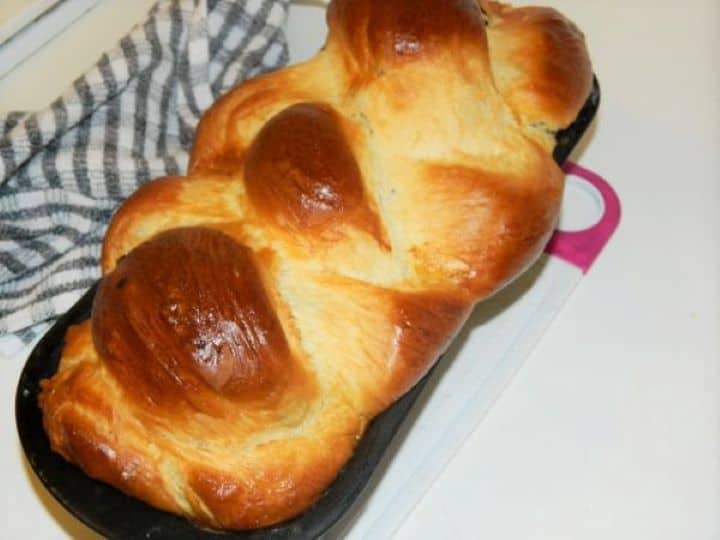
As soon as the sweet bread comes out of the oven, cover it with a soft kitchen towel. This helps trap the steam, ensuring your homemade sweet bread stays incredibly soft and fluffy as it cools.
Delicious Variations to Try
Once you've mastered the base sweet bread recipe, you can easily customize the fillings to suit your taste. Here are some of the most popular ways to switch it up:
- The Chocolate Lover's Version: Instead of raisins, use 100g of semi-sweet chocolate chips or a high-quality cocoa swirl. To create the swirl, roll the dough flat, spread a mixture of cocoa powder, sugar, and a splash of milk, then roll it up like a cinnamon roll before braiding.
- Nutty Walnut Filling (Traditional Nucă): For a richer, crunchier texture, replace raisins with a thick paste made of ground walnuts, rum essence, and a little honey. This is another very traditional Transylvanian style!
- Citrus & Poppy Seed: Skip the raisins and add the zest of one whole orange and two tablespoons of blue poppy seeds to the dough. This creates a bright, floral flavor that is perfect for spring.
- The "Plain" Loaf: If you prefer a simple, buttery bread for making sandwiches or French toast, simply omit the raisins and the rum essence. The dough itself is flavorful enough to stand alone.
- Vegan-Friendly Swap: You can make a plant-based version by using almond or soy milk, replacing the butter with a vegan margarine, and using a "flax egg" (1 tablespoon ground flaxseed + 3 tablespoon water) in place of the egg yolks.
How to Serve Your Homemade Sweet Bread
This sweet bread recipe is incredibly versatile. Whether you prefer it as a sweet treat or a savory breakfast, here are the best ways to enjoy it:
- The Traditional Way: Slice it thick and serve with a generous spread of cold, unsalted butter. In Transylvania, we often pair this with a slice of smoked ham and hard-boiled eggs for a classic Easter breakfast.
- The Gourmet Toast: Lightly toast a slice until the edges are golden and crisp. Drizzle with local honey or your favorite fruit jam-apricot or plum jam works beautifully with the rum-soaked raisins.
- Decadent French Toast: Because this dough is so soft and enriched, it makes the world's best French toast. Dip slices into a mixture of eggs, cinnamon, and milk, then fry in butter until caramelized.
- A Sweet Bread Pudding: If you have any leftovers (though that rarely happens!), cube the bread and use it as the base for a rich bread pudding. The raisins and lemon zest already in the dough add amazing depth to the dessert.
- Coffee & Tea Companion: Simply enjoy a plain slice alongside a hot cup of coffee or Earl Grey tea. The light sweetness of the bread is the perfect afternoon pick-me-up.

How to Store Your Sweet Bread
To keep your bread as soft as the day it was baked, follow these simple storage rules:
- The "Towel Trick" First: As we mentioned in the instructions, always let the bread cool under a clean kitchen towel. This traps just enough moisture to keep the crust supple.
- Room Temperature (3-4 Days): Once completely cool, wrap the loaf tightly in plastic wrap or place it in a large airtight container. Store it in a cool, dry place (like a bread box). Avoid the refrigerator, as it can actually make the bread go stale faster!
- Freezing for Freshness (Up to 3 Months): This sweet bread freezes beautifully.
- Pro-Tip: Slice the bread before freezing. Wrap individual slices in parchment paper and then place them all in a heavy-duty freezer bag. This way, you can pull out exactly what you need for a quick breakfast toast.
- Reviving the Fluffiness: If the bread feels a little firm after a few days, pop a slice in the microwave for 10-15 seconds or warm it in a low oven (150°C/300°F) for 5 minutes. It will taste brand new!
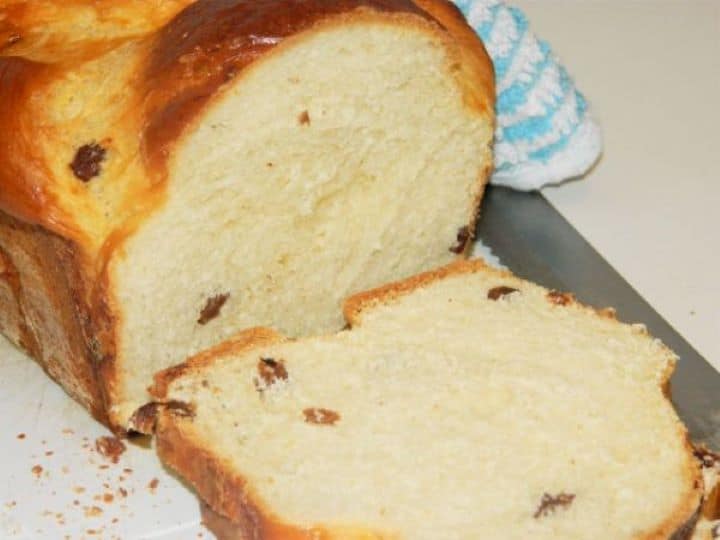
Top Tips for the Perfect Sweet Bread
Mastering a sweet bread recipe is all about understanding how your ingredients work together. Follow these pro-tips to ensure your loaf is as light and airy as a cloud:
- The "Goldilocks" Milk Temperature: Your milk should be lukewarm-not cold, and definitely not hot. If it's too hot, it will kill the yeast; if it's too cold, the yeast won't wake up. Aim for about 38°C (100°F).
- Don't Rush the Rise: Yeast is a living thing! The rising times are estimates. If your kitchen is cool, it might take 2 hours instead of 1.5. Always wait until the dough has truly doubled in size before moving to the next step.
- The Windowpane Test: To see if you've kneaded enough, take a small piece of dough and stretch it gently between your fingers. If it stretches thin enough to see light through it without tearing, the gluten is perfectly developed.
- High-Quality Flour Matters: Since this is a simple bread, the flour is the star. Using Type 000 or Bread Flour provides the protein structure needed to support the heavy "enrichments" like butter and egg yolks.
- The Shiny Secret: For that deep, mahogany-gold crust you see in bakery windows, brush the dough with the egg wash twice: once right before it goes into the oven, and again halfway through the baking time.
- Room Temperature Ingredients: Take your eggs and butter out of the fridge at least an hour before you start. Cold ingredients can "shock" the yeast and slow down the fermentation process.
Frequently Asked Questions
There are usually two culprits: over-baking or too much flour. If you add too much flour during the kneading process, the dough becomes heavy. Also, ensure you use a meat thermometer to check the internal temperature; it should be around 88°C-90°C (190°F-195°F). Over-baking by even five minutes can dry out the crumb.
Yes! You can use the "Dough" setting on your bread machine to mix and do the first rise. Once the cycle is finished, remove the dough, braid it by hand, and let it do its second rise in the baking tin before placing it in the oven.
This is the most important step for a fluffy sweet bread. If your yeast and warm milk mixture doesn't become foamy and smell "bread-like" after 15 minutes, the yeast is likely dead. Do not proceed with the recipe-start over with fresh yeast to avoid a flat, hard loaf.
To bring back that "just-baked" softness, wrap a slice in a damp paper towel and microwave it for 10-15 seconds. Alternatively, you can warm the whole loaf in the oven at 150°C (300°F) for about 5-10 minutes.
The rum essence gives this Transylvanian sweet bread its signature aroma. However, if you don't have it, you can use Vanilla extract or even a tablespoon of real Dark Rum. Grated orange zest also makes a wonderful flavor substitute.
If you enjoyed the soft, fluffy texture of this sweet bread recipe, you'll love these other traditional dough-based treats from Timea's Kitchen:
- Authentic Cottage Cheese Donuts - A Transylvanian classic that's crispy on the outside and soft inside.
- Healthy Sugar-Free Banana Bread - Perfect for a guilt-free breakfast or snack.
- Homemade Fried Dough (Lángos) - The ultimate Hungarian street food, made right in your kitchen.
- Best Plum Dumplings Recipe - A sweet, nostalgic dessert with a perfect cinnamon-sugar coating.
- Perfect Yeast Doughnuts - Light, airy, and better than any bakery version!
Join the Timea's Kitchen Community!
I can't wait for you to experience the soft, aromatic bliss of this homemade sweet bread recipe. Whether it's your first time working with yeast or you're a seasoned baker, I'd love to hear how your loaf turned out! If you enjoyed this recipe, please leave a 5-star rating and a comment below-it truly helps our small kitchen grow.
For more step-by-step videos, daily kitchen inspiration, and traditional Transylvanian flavors, come say hello on our social channels:
- Subscribe on YouTube for full video tutorials.
- Follow us on Facebook to join our recipe-sharing community.
- Get inspired on Instagram and tag @timeaskitchen in your bakes!
- Pin this recipe on Pinterest to save it for your next holiday brunch.
Happy baking, and I'll see you in the next recipe!
Related
Looking for other Transylvanian recipes like this? Try these:





The Best Homemade Sweet Bread
Equipment
- 1 mixing bowl
- 1 loaf baking pan
Ingredients
For the Dough
- 500 g wheat flour tip 000 or 00
- 25 g yeast fresh or 2 teaspoon dry yeast
- 300 ml milk warm
- 40 g sugar
- 2 pieces egg yolks large
- 1 teaspoon rum flavor essence
- 50 g raisins brown or yellow
- 50 g butter unsalted and melted
From glaze:
- 1 piece egg whole
- 1 tablespoon milk warm
Instructions
- Proof the Yeast: In a small bowl, combine the warm milk, 1 tablespoon of sugar, and the fresh (or dry) yeast. Stir gently and let it sit in a warm place for 15-20 minutes until a thick foam forms on top.
- Soak the Raisins: Place the raisins in a small bowl with 100 ml hot water and the rum essence. Let them plump up for 10 minutes, then drain and pat them dry with a paper towel.
- Mix the Dough: In a large mixing bowl, combine the flour, remaining sugar, and salt. Make a well in the center and add the egg yolks, melted butter, and the foamy yeast mixture.
- Knead: Knead the dough by hand for about 15 minutes (or 8-10 minutes with a stand mixer) until it is smooth, elastic, and no longer sticks to the bowl.
- First Rise: Cover the bowl with a clean kitchen towel and let the dough rise in a warm, draft-free spot for 1 to 1.5 hours, or until it has doubled in size.
- Shape & Braid: On a floured surface, divide the dough into four equal parts. Roll each into a long rope (15-16 inches) and braid them together. Place the braid into a greased loaf pan.
- Second Rise: Cover the pan and let the dough rest for another 30 minutes. This second proof is the secret to a fluffy sweet bread.
- Bake: Preheat your oven to 150°C (300°F). Brush the loaf with the egg and milk glaze. Bake for 45-50 minutes until golden brown.
- Cool: Remove from the oven and immediately cover the loaf with a clean kitchen towel. Allow it to cool completely before slicing.
Video
Notes
Nutrition
This post contains affiliate links. Read the full disclosure here.