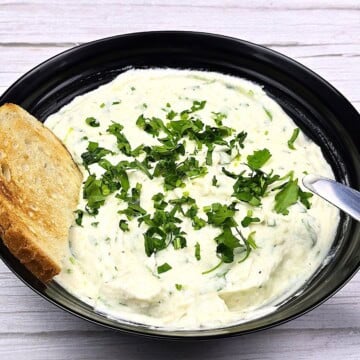

Ditch the plastic tubs of store-bought spread and make this rich, silky homemade herbed cream cheese directly on your stovetop using simple kitchen staples. By gently melting sharp grated cheddar into warm milk and butter, this foolproof method yields a glossy, sliceable cheese block packed with fragrant fresh parsley, chives, and thyme.
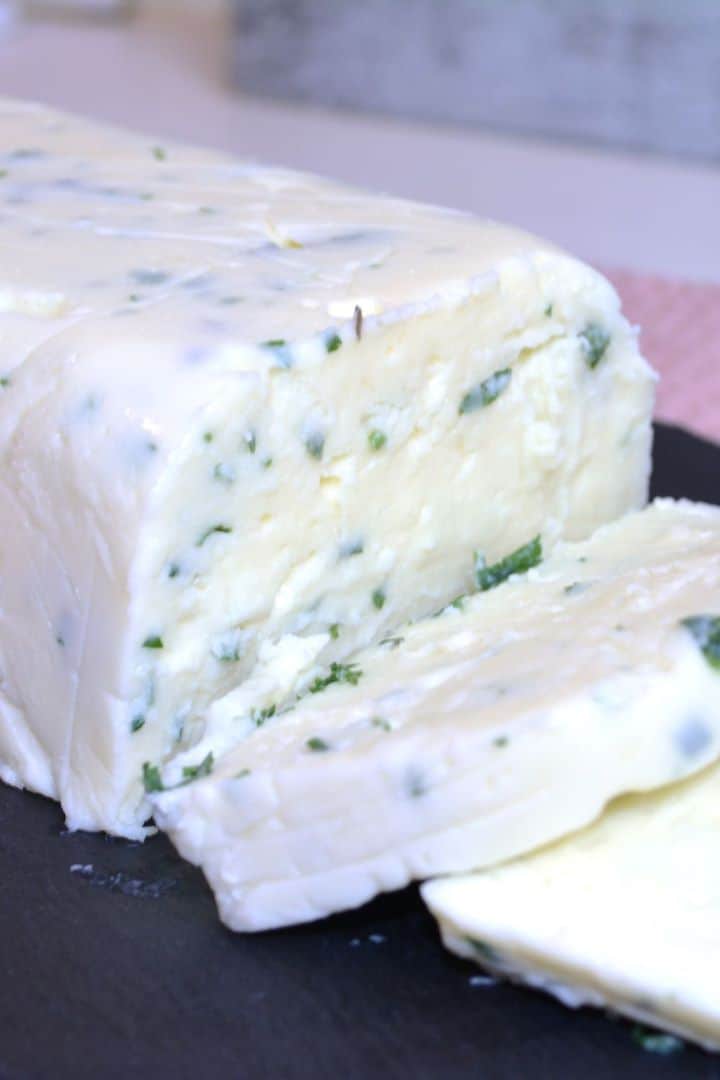
Unlike standard cream cheese dips that simply stir herbs into a tub of softened cream cheese, this authentic from-scratch recipe cooks real milk and cheddar into a luscious, moldable cheese spread in just 15 minutes of active cooking. Once chilled, slice it into neat wedges for a grazing platter or spread a generous layer over warm, freshly sliced homemade potato bread and toasted bagels.
Jump to:
- Why This Stovetop Method Works
- Ingredients & Measurement Notes
- Watch the Step-by-Step Video Tutorial
- Step-by-Step Stovetop Instructions
- Expert Troubleshooting & Chef Tips
- Delicious Flavor Variations
- Serving Suggestions
- How to Store Homemade Herbed Cream Cheese
- Frequently Asked Questions
- More Homemade Spreads & Party Appetizers
- Connect with Timea's Kitchen & Share Your Creations!
- related
- Homemade Herbed Cream Cheese (Easy Stovetop Recipe)
Why This Stovetop Method Works
- Zero Straining or Whey Separation: Traditional homemade cream cheese requires culturing or curdling milk with acids and draining it through cheesecloth for hours. This stovetop method eliminates the mess and waiting time by cooking the dairy base directly in one pot.
- Stable Emulsion Without Splitting: Whisking cornstarch into warm milk builds a smooth starch-gel matrix. When grated cheddar is stirred in, this starch base encapsulates the cheese fats and milk proteins, preventing the cheddar from separating into an oily layer.
- Firm Yet Spreadable Texture: As the cooked mixture chills in the refrigerator, the starch network sets completely. This allows you to unmold and cleanly slice the cheese block with a knife, while the body remains velvety enough to smear onto warm toast.
Ingredients & Measurement Notes
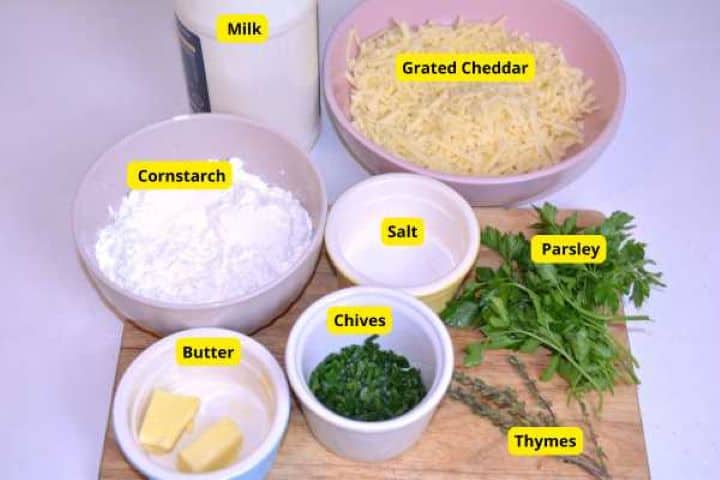
- Semi-Skimmed Milk (1 Litre): Provides the liquid foundation for the spread. If you prefer to use whole milk, you can omit the added butter, as whole milk already has a high enough butterfat content.
- Grated Cheddar Cheese (200 g): Gives the spread its rich body and savory flavor. Grate your cheese fresh from a block-pre-shredded cheese from the supermarket is coated in cellulose and anti-caking agents that hinder smooth melting and make the final texture grainy. Mild, medium, or mature cheddar all work beautifully.
- Cornstarch (120 g): The essential thickening agent that turns the milk into a velvety, custard-smooth cream cheese base that sets firmly upon chilling.
- Unsalted Butter (1 tablespoon / 15 g): Replenishes the fat removed from semi-skimmed milk, ensuring a glossy finish and a smooth, rich mouthfeel.
- Fine Sea Salt (2 tsp): Essential for unlocking the savory flavor of the milk base and balancing the herbs. Adjust to taste if your cheddar is already quite sharp or salty.
- Fresh Parsley (½ bunch, finely chopped): Imparts a fresh, peppery aroma and vibrant green specks throughout the cheese block.
- Fresh Chives (1 tbsp, finely chopped): Delivers a delicate, mild onion note that balances the richness of the cheese without overpowering it.
- Fresh Thyme (5 sprigs, leaves stripped): Adds an earthy, aromatic background note that complements cheddar perfectly. Dried thyme can be substituted in a pinch (use ½ tsp), but fresh thyme offers the cleanest flavor and color.
Watch the Step-by-Step Video Tutorial
Prefer a visual guide before you head to the stove? Watch the full step-by-step video below to see the exact texture changes in real time-from whisking the milk into a silky cornstarch custard to achieving that glossy, melted cheddar finish. Follow along with the written instructions right below for precise cooking temperatures and chilling steps!
Step-by-Step Stovetop Instructions
1. Warm the Milk Base
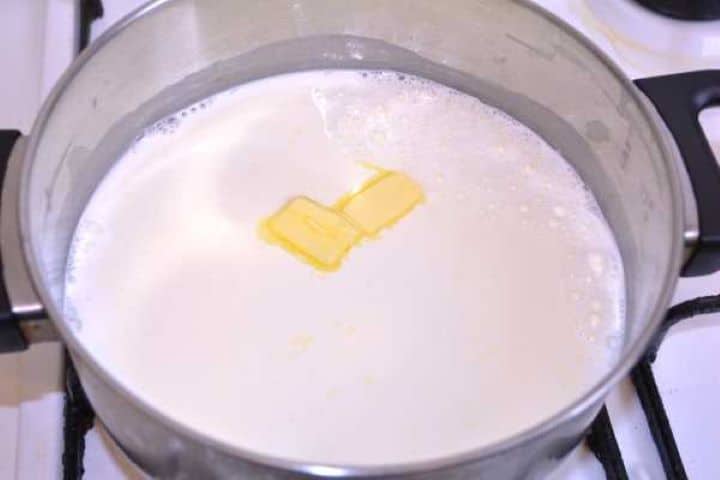
- Pour 1 litre of semi-skimmed milk into a medium saucepan and stir in 2 teaspoons of sea salt. Place the pot over medium-low heat. Once the milk becomes lukewarm, add 1 tablespoon of unsalted butter and stir until it completely dissolves into the milk.
2. Whisk in the Cornstarch
- As the milk warms-before it reaches a full boil (aim for around 80°C to 85°C / 175°F to 185°F)-gradually add the 120 g of cornstarch while whisking briskly and continuously. Keep stirring without stopping to prevent the starch from sinking to the bottom or scorching. Within a few minutes, the mixture will thicken into a rich, velvety, custard-like consistency.
3. Melt the Grated Cheddar
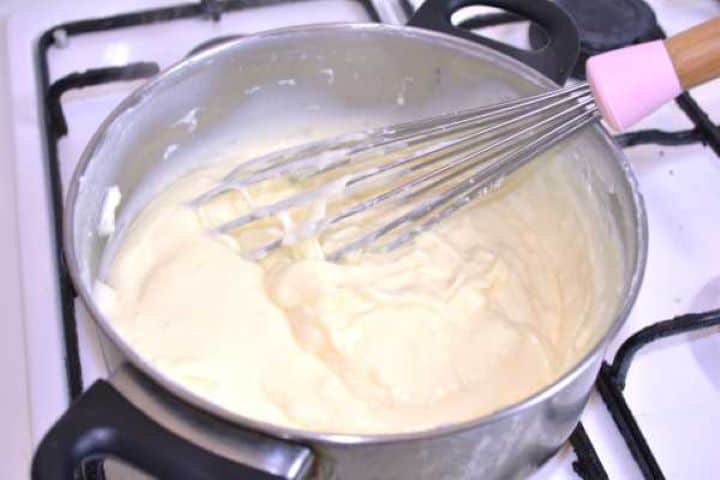
- Turn the heat down to low. Add the 200 g of freshly grated cheddar cheese directly into the thickened milk. Whisk steadily until the cheese melts completely and emulsifies into a glossy, uniform, smooth cream.
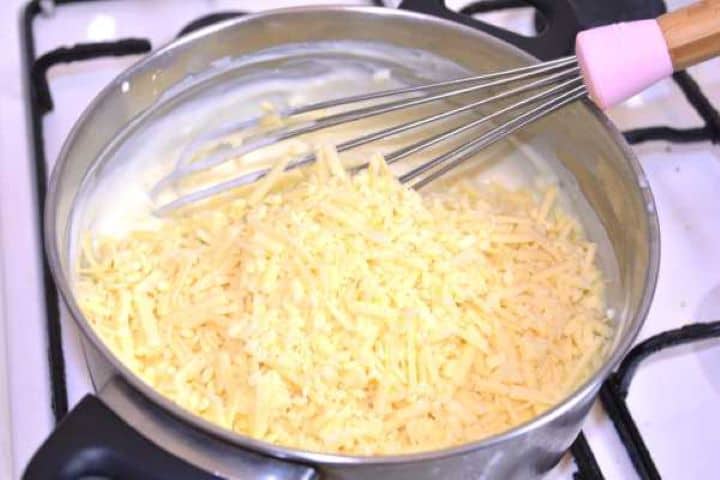
- As soon as the cheese is fully melted and incorporated, take the pan completely off the heat.
4. Fold in the Fresh Herbs
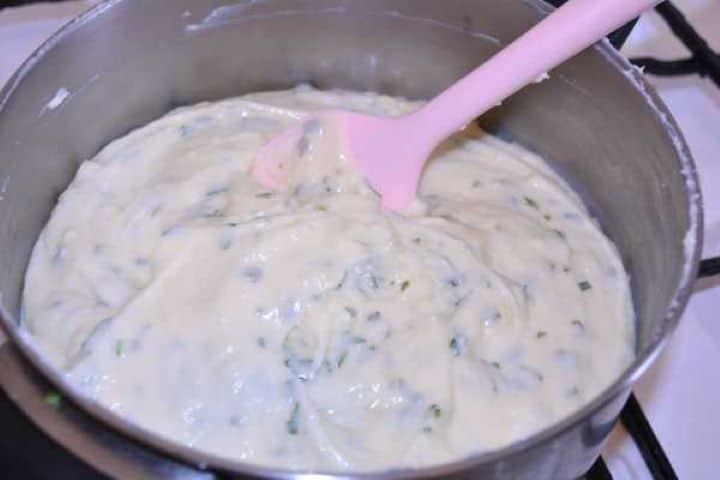
- Add the finely chopped parsley, chives, and fresh thyme leaves directly into the warm cheese mixture. Switch from the whisk to a silicone spatula or wooden spoon, gently folding the herbs through the cream until they are evenly distributed.
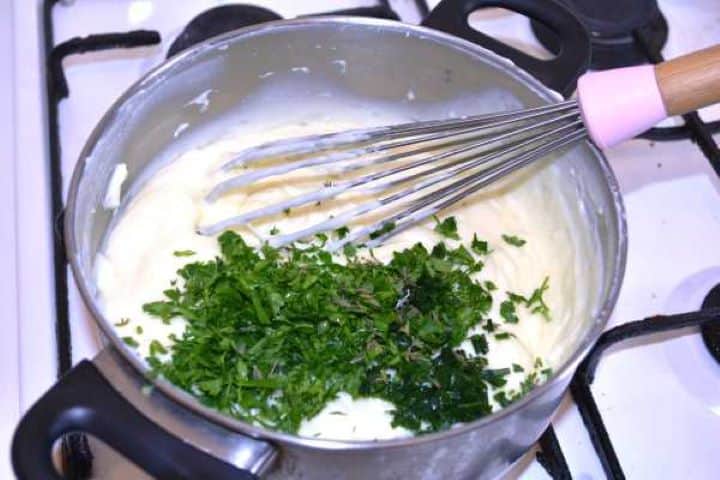
- Adding the herbs off the heat preserves their vibrant green color and delicate aroma.
5. Chilling and Unmolding the Cheese Block
- Prepare the Mold: Line a glass dish or loaf pan with plastic cling film, leaving plenty of overhang on all sides so you can lift it out cleanly later.
- Pour and Level: Pour the warm herb cheese cream into the lined dish, using a spatula to smooth the surface evenly.
- Chill to Set: Place the container in the refrigerator for at least 2 hours. As the starch-fat matrix cools, it will firm up into a solid, sliceable cheese block.
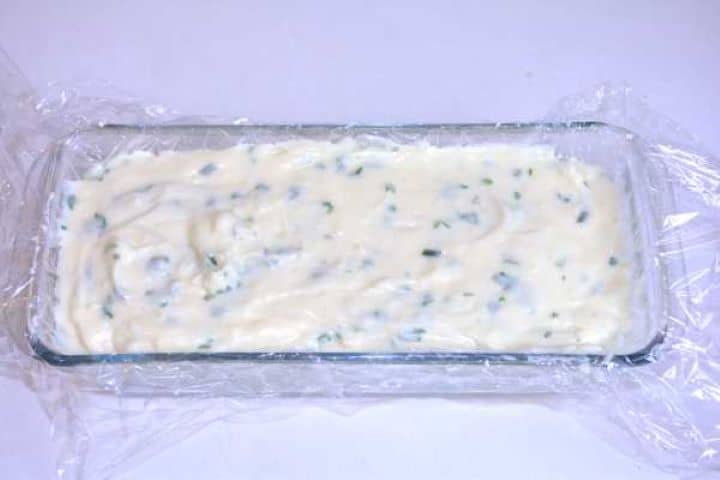
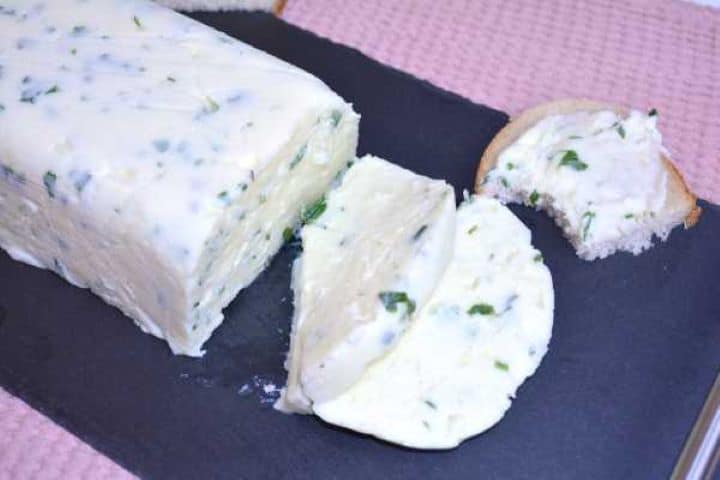
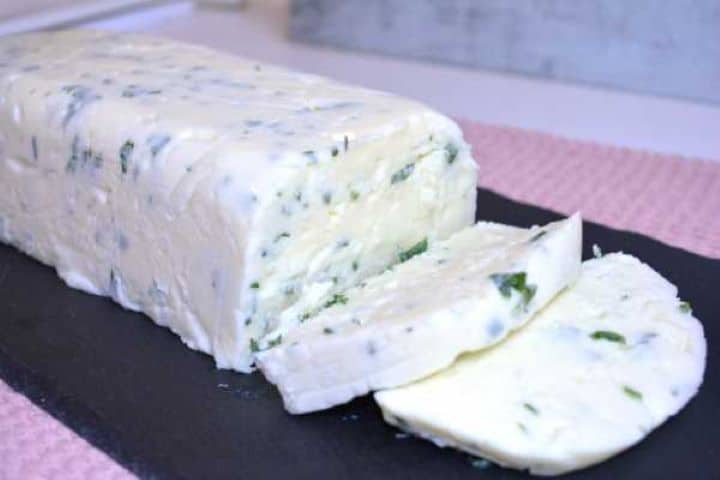
- Unmold and Serve: Once chilled and set, use the cling film edges to lift the block out of the pan onto a cutting board. Slice into thick slabs for bread boards or spread directly over toasted bagels.
Expert Troubleshooting & Chef Tips
- Preventing Cornstarch Lumps: Always whisk vigorously the moment the cornstarch hits the warm milk. If you are new to cooking with cornstarch, whisk the starch into 100 ml of cold milk first in a small bowl to make a smooth slurry, then pour that slurry into the warm pot.
- Avoid High Heat Once Cheese Is Added: Keep the heat low (or remove the pan from the flame entirely) when stirring in the grated cheddar. If the cheese gets overheated, the milk proteins tighten up and release oil, which causes the sauce to look greasy rather than glossy.
- Always Grate Fresh from the Block: Pre-shredded bag cheese contains potato starch or cellulose powder to stop the shreds from sticking together in the bag. These additives will make your finished cheese spread taste chalky and grainy.
- Adjusting Firmness: If you prefer a looser, dip-style spread rather than a sliceable loaf block, reduce the cornstarch from 120 g to 80-90 g.
Delicious Flavor Variations
- Garlic & Fine Herb: Stir in 2 cloves of finely grated fresh garlic (or ½ teaspoon garlic powder) along with fresh dill and chopped parsley when folding in the herbs.
- Hungarian Paprika & Chive: Add 1 teaspoon of sweet Hungarian paprika and extra chives to the warm mixture for a vibrant reddish hue and a subtle, smoky-sweet profile.
- Sundried Tomato & Basil: Replace the thyme with 2 tablespoons of finely chopped sundried tomatoes (drained of oil) and 1 tablespoon of shredded fresh basil leaves for a Mediterranean twist.
- Spicy Jalapeño & Red Pepper: Fold in 1 finely diced fresh jalapeño (seeds removed) and a pinch of crushed red pepper flakes to create a zesty cheese spread with a kick.
- Lemon & Dill: Add 1 tablespoon of freshly chopped dill and the fine zest of half a lemon to create a bright, citrusy spread that pairs exceptionally well with fish.
Serving Suggestions
- Toasted Bagels & Crusty Breads: Spread a thick layer over warm toasted sesame bagels, sourdough slices, or warm baguettes. Top with smoked salmon, capers, thinly sliced red onion, or chicken salami.
- Party Cheese Platters & Charcuterie Boards: For an authentic European snack board, serve slices of this herb cheese block alongside warm Hungarian crackling scones (tepertős pogácsa) and sliced cured meats.
- Fresh Vegetable Crudités: Serve sliced wedges or softened spreads alongside crisp cucumber rounds, carrot batons, celery sticks, and sweet bell pepper slices.
- Steaming Jacket Potatoes: Drop a thick slice onto a piping hot baked potato. As the cheese melts into the fluffy potato, it creates a rich, herb-infused sauce.
- Tortilla Wraps & Sandwiches: Smear across whole-wheat wraps or sandwich bread as a flavorful, moisture-locking barrier before adding sliced turkey breast, crisp lettuce, and juicy tomatoes.
How to Store Homemade Herbed Cream Cheese
- Refrigeration: Keep the herb cheese block tightly wrapped in plastic cling film or stored inside an airtight glass container. Keep it stored in the coldest part of your refrigerator, where it will stay fresh and hold its shape for up to 5 to 7 days.
- Serving Temperature: For clean slicing, cut the cheese straight out of the fridge while it is firm and cold. If you prefer a softer, fluffier texture for effortless spreading, let the portion sit at room temperature for 10 to 15 minutes before serving.
- Freezing (Not Recommended): Avoid freezing this homemade cheese block. Dairy emulsions stabilized with cornstarch separate when frozen; thawing breaks the starch bonds, causing water to weep out and leaving the cheese with a spongy, grainy texture. Always keep it refrigerated.
Frequently Asked Questions
Graininess is almost always caused by two factors: using pre-shredded supermarket cheese (which contains anti-caking starches that resist smooth melting) or overheating the mixture after adding the cheddar. To keep the emulsion glossy, always grate a block of cheddar fresh and take the saucepan off the heat as soon as you stir the cheese in.
Yes. If you use whole milk, omit the 1 tablespoon of butter, as whole milk already contains enough natural butterfat. If you use skimmed milk, add an extra ½ tablespoon of butter to ensure the final cheese block maintains a creamy, rich mouthfeel.
Any good melting, semi-hard cheese works well in this recipe. Great alternatives include Gouda, Edam, Red Leicester, Monterey Jack, or mild Havarti. Avoid hard, dry cheeses like aged Parmesan or Pecorino as the main melting base, as they lack sufficient moisture to melt into a smooth spread without separating.
Yes, though fresh herbs offer the brightest green color and clean flavor. If using dried herbs, reduce the quantity to one-third of the fresh amount (use 1 teaspoon of dried parsley, 1 teaspoon of dried chives, and ½ teaspoon of dried thyme), as dried herbs are significantly more concentrated.
If the spread stays too loose to slice after 2 hours in the refrigerator, either the milk wasn't brought to a hot enough temperature (80°C to 85°C) to fully activate the cornstarch thickener, or the measuring of the cornstarch was slightly light. Give it extra chilling time, or ensure you use the full 120 g of cornstarch on your next batch.
Yes. Because it is built on a cooked milk-and-starch base, slices melt smoothly into hot pasta, over baked potatoes, or inside grilled cheese toasties without breaking into a puddle of oil.
More Homemade Spreads & Party Appetizers
If you love making rich, savory spreads from scratch for your bread boards and snack platters, try these favorites next:
- Smoked Mackerel Spread: A creamy, zesty fish pate that pairs wonderfully with crackers and crusty sourdough.
- Smooth Turkey Liver Pâté: Velvety, rich, and perfect for dinner party crostini.
- Vegan Garlic Mushrooms: Juicy, pan-seared garlic mushrooms that make a quick warm appetizer.
- Fresh Homemade Guacamole: A bright, chunky dip that adds fresh color to any grazing table.
Connect with Timea's Kitchen & Share Your Creations!
Did you make this homemade herbed cream cheese? We would love to see how your cheese block turned out and how you served it! Snap a photo and tag us on Instagram and Facebook-we love re-sharing your kitchen creations.
Be sure to save this recipe to your breakfast or appetizer boards on Pinterest so you always have it handy, and don't forget to subscribe to our YouTube Channel for step-by-step cooking videos, traditional family dishes, and new recipe inspiration every week!
related
Looking for more homemade appetizers inspiration? Try these favourites:

Homemade Herbed Cream Cheese (Easy Stovetop Recipe)
Equipment
- 1 Saucepan medium
- 1 Balloon whisk
- 1 Glass loaf pan rectangular dish (approx. 20×10 cm / 8×4 in)
- 1 Silicone spatula
- 1 Box grater
Ingredients
- 1 l milk semi-skimmed, or Whole Milk, see notes
- 200 g cheddar cheese freshly grated from a block
- 120 g cornstarch cornflour
- 1 tablespoon butter unsalted
- 2 teaspoon sea salt fine
- ½ bunch parsley fresh, finely chopped
- 1 tablespoon chives fresh, finely chopped
- 5 sprigs thyme leaves stripped and stems discarded
Instructions
- Warm the Milk Base: Pour the semi-skimmed milk into a medium saucepan and stir in the fine sea salt. Place over medium-low heat. Once the milk is lukewarm, add the unsalted butter and stir until melted and dissolved.
- Thicken with Cornstarch: Before the milk comes to a boil (around 80°C to 85°C / 175°F to 185°F), gradually add the cornstarch while whisking briskly and continuously. Keep stirring without stopping to avoid lumps until the mixture thickens into a rich, custard-like consistency.
- Melt the Cheddar: Reduce the heat to low. Add the freshly grated cheddar cheese into the thickened milk. Whisk steadily until the cheese melts completely into a glossy, velvety cream. Remove the pot from the heat immediately.
- Fold in Fresh Herbs: Add the finely chopped parsley, chives, and thyme leaves into the warm cheese mixture. Use a silicone spatula to gently fold the herbs through the cream until evenly distributed.
- Mold and Chill: Line a glass loaf dish with plastic cling film, leaving overhang on the sides. Pour the warm cheese cream into the dish and smooth the top with a spatula. Transfer to the refrigerator to chill for at least 2 hours until fully set and firm.
- Unmold and Serve: Lift the set cheese block out using the cling film overhang. Slice into thick slabs for platters or spread generously onto warm bagels, toast, and crackers.
Video
Notes
- Grate Cheese Fresh: Always grate your cheddar fresh from a block. Pre-bagged shredded cheese is coated with potato starch and cellulose anti-caking agents, which will prevent smooth melting and cause a grainy texture.
- Milk Variations: If you use whole milk (full-fat milk), you can omit the 1 tablespoon of butter. If using skimmed milk, add an extra ½ tablespoon of butter to maintain creaminess.
- Lump-Free Starch Tip: If you are worried about cornstarch clumping, whisk the 120 g of cornstarch into 100 ml of cold milk first in a small bowl to make a slurry, then whisk the slurry into the warm pot.
- Storage: Store the cheese block wrapped tightly in cling film or in an airtight glass container in the refrigerator for up to 5 to 7 days.
- Do Not Freeze: Freezing breaks the starch and dairy emulsion, causing water separation and a spongy texture upon thawing.
Nutrition
This post contains affiliate links. Read the full disclosure here.