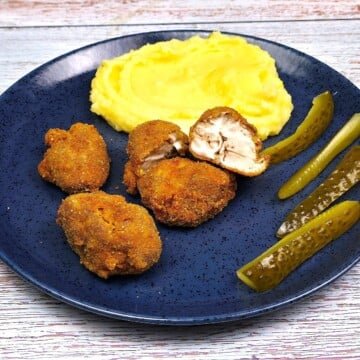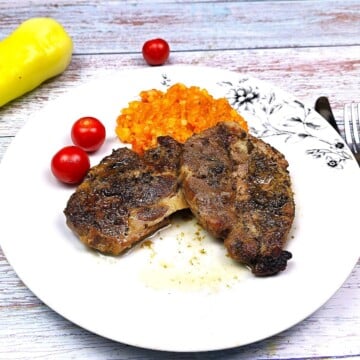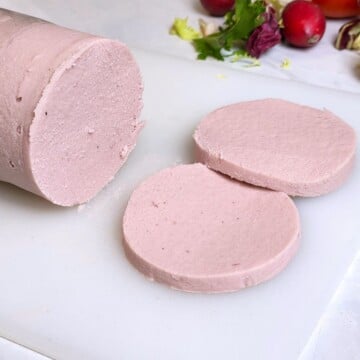

If you are looking for a tender but firm pork roast that holds its shape beautifully when carved, this sliceable roasted pork shoulder is the perfect technique. Unlike traditional slow-cooked recipes that result in soft, shredded pulled pork, this method yields a solid, juicy roast that serves as an excellent homemade substitute for processed store-bought sausages and deli meats.
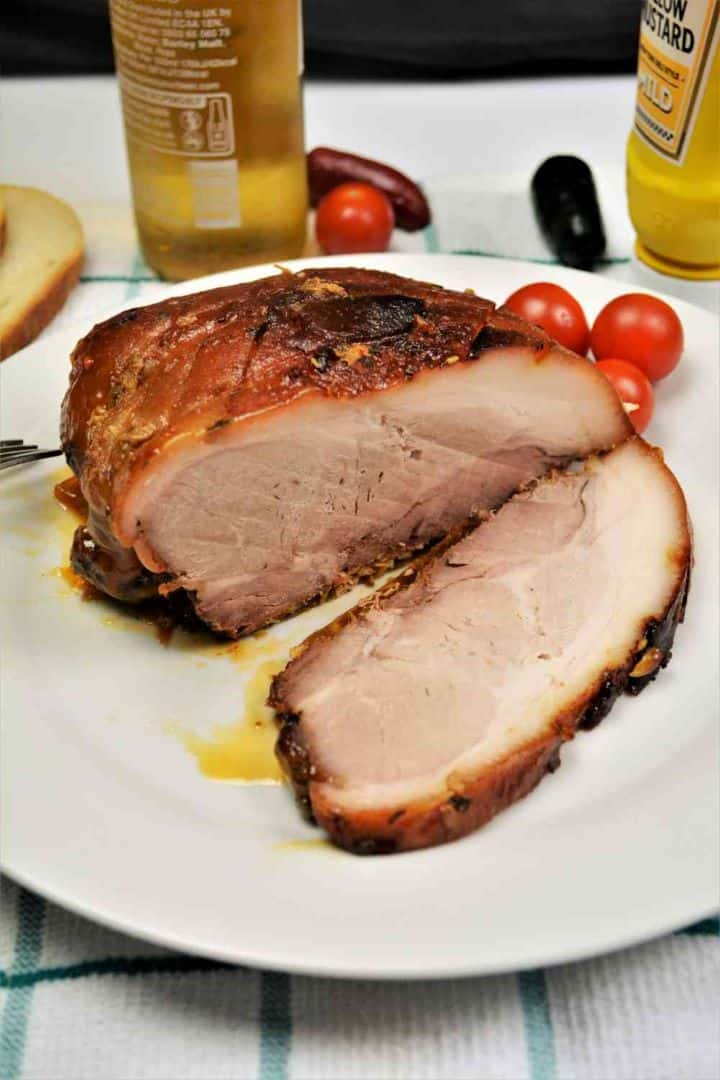
Baked slowly in the oven until perfectly cooked, it cools into a dense, intensely flavorful centerpiece that can be carved into thick steaks for a hearty dinner or sliced razor-thin for sandwiches the next day.
Jump to:
- Why You'll Love This Recipe
- Ingredients for Sliceable Roasted Pork Shoulder
- Substitutions & Flavor Variations
- How to Make Roasted Pork Shoulder in the Oven
- Expert Tips for Perfect Slicing
- Serving Suggestions
- Storage, Slicing & Meal Prep
- Frequently Asked Questions
- More Hearty Roasts to Try
- Join the Timea's Kitchen Community
- Sliceable Roasted Pork Shoulder (Perfect for Cold Cuts)
Why You'll Love This Recipe
- Perfect for Sandwiches: Bakes into a firm, sliceable roast that makes an ideal substitute for processed, store-bought deli meats and cold cuts.
- Zero Shredding: Designed specifically to hold its shape, completely avoiding the mushy or fall-apart texture of traditional pulled pork.
- Versatile Meal Prep: Serve thick, warm slices for dinner, then chill the rest in the fridge to carve into razor-thin slices throughout the week.
- Hands-Off Cooking: Once prepped and placed in your Dutch oven or glass baking dish, the slow, steady oven heat does all the heavy lifting.
Ingredients for Sliceable Roasted Pork Shoulder
To create the perfect firm, sliceable roast, you need a solid piece of meat and a deeply flavorful spice paste. Here is exactly what you will need:
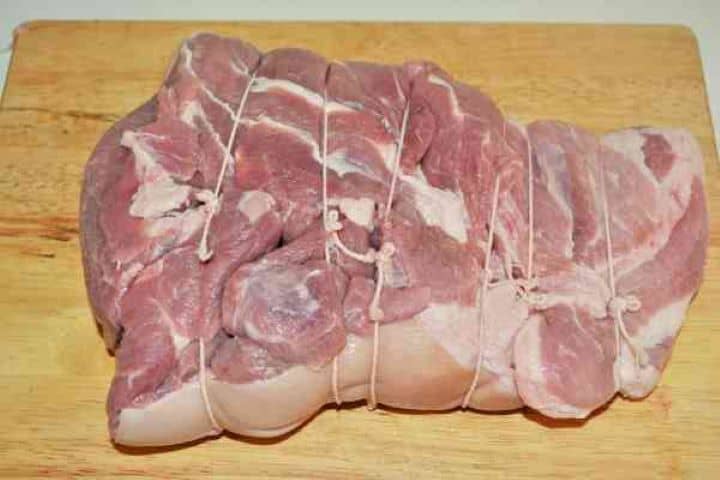
- 1.5 kg Pork Shoulder Joint: Ensure it is ready-tied so it holds a tight, uniform shape during the long bake. This is crucial for clean slicing later.
- 4 tablespoon Sunflower Oil: Used to create the spice paste and add moisture to the baking dish.
- 1 cup Water: Creates the steam necessary for the slow-cooking process.
- ½ piece Red Bell Pepper: Coarsely sliced to flavor the pan juices.
- 4 sprigs Fresh Thyme: Finely chopped for a fresh, herbaceous note.
- The Spice Blend:
- 1.5 teaspoon vegetable mix for soups
- 1 teaspoon kosher sea salt (divided)
- ½ teaspoon garlic powder
- ½ teaspoon smoked paprika
- ½ teaspoon sweet paprika
- ½ teaspoon caraway powder
Substitutions & Flavor Variations
- The Cut of Meat: If pork shoulder is unavailable, a tied pork collar (neck) or a piece of pork leg will also work. Pork collar has excellent marbling that keeps it juicy, while pork leg is leaner and requires careful monitoring so it does not dry out during the long bake.
- Spice Profile Adjustments: For a spicy variation, swap the sweet paprika for hot Hungarian paprika or rub a spoonful of Édes Anna over the meat before baking. For a classic Transylvanian flavor profile, double the garlic and caraway powder in your sunflower oil paste.
- Equipment: If you prefer not to use a heat-resistant glass baking dish with foil, a heavy cast-iron braiser or a Dutch oven with a tight-fitting lid works perfectly to trap the essential steam during the slow cook.
How to Make Roasted Pork Shoulder in the Oven
1. Mix the Spice Paste
- In a small bowl, combine the vegetable mix for soups, garlic powder, smoked paprika, sweet paprika, caraway powder, and ½ teaspoon of the kosher sea salt.

- Stir in the chopped fresh thyme and 2 tablespoons of sunflower oil until you achieve a thick, uniform paste.

2. Season the Pork Joint
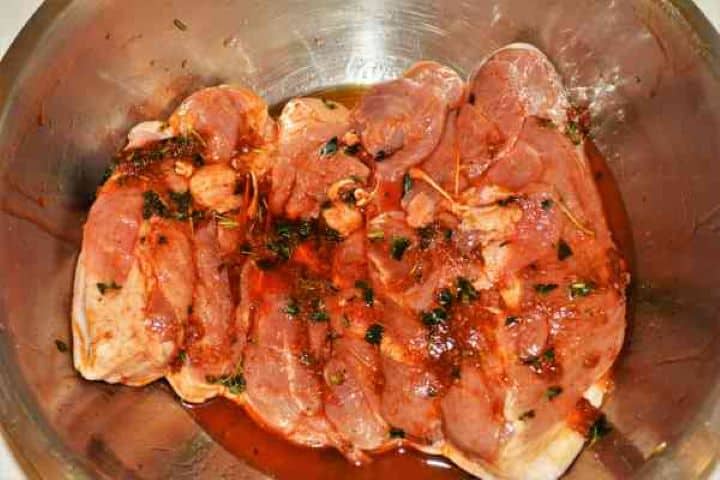
- Ensure your 1.5 kg pork shoulder joint remains securely tied with butcher's twine so it holds a tight, uniform shape during the bake. Massage the spice paste generously over the entire surface, coating all sides evenly.
3. Set Up the Baking Dish
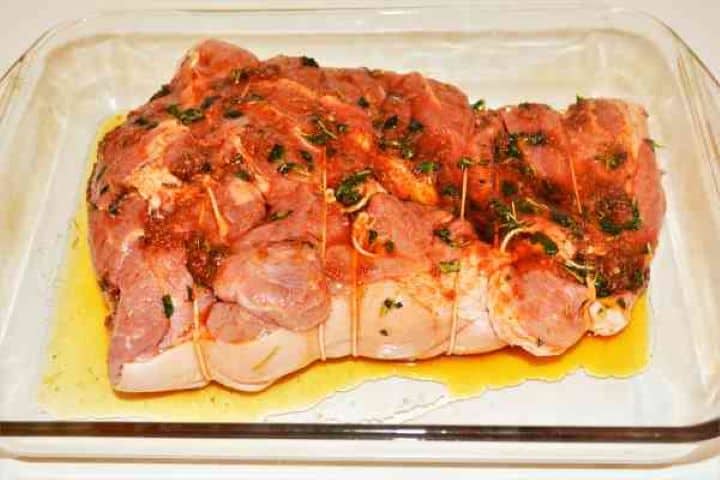
- Place the seasoned pork shoulder into a heat-resistant glass baking dish.
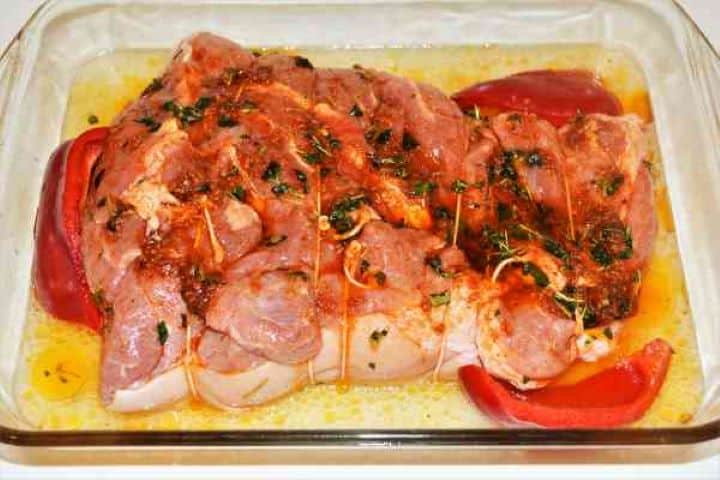
- Scatter the coarsely sliced red bell pepper around the meat. Pour one cup of water directly into the base of the dish, then stir in the remaining ½ teaspoon of kosher sea salt and the last 2 tablespoons of sunflower oil to create a flavorful braising liquid.
4. Slow Bake Under Foil
- Cover the glass dish tightly with heavy-duty aluminum foil to trap the steam. Place it in a preheated oven at 200°C (400°F) for 30 minutes. After 30 minutes, reduce the oven temperature to 150°C (300°F) and let it bake undisturbed for 2.5 hours.
5. Brown and Chill
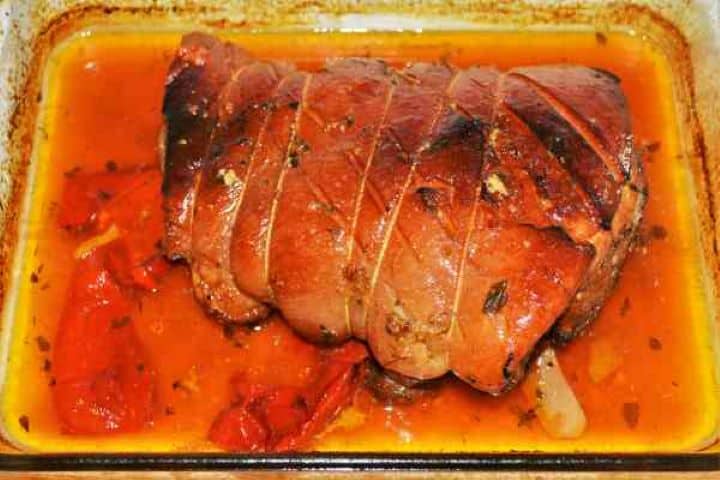
- Carefully remove the foil, spoon the rich pan juices over the meat to baste it, and return the uncovered dish to the oven for a final 15 minutes to develop a golden-brown crust. Let the roast cool completely in its juices before moving it to the refrigerator to chill and firm up for perfect slicing.
Expert Tips for Perfect Slicing
- Use a Quality Blade: Achieving deli-thin slices requires a very sharp, high-grade chef's knife. Whether you prefer the edge retention of a Japanese powdered steel blade or a sturdy German design, a high-quality edge ensures you cleanly slice through the cold meat fibers without tearing them.
- Do Not Rush the Rest: The natural collagen in the pork shoulder needs adequate time to set. Cutting into the roast while it is even slightly warm will compromise the dense, firm texture required for uniform cold cuts.
- Baste Generously: Spooning the rich, paprika and caraway-infused pan juices over the roast during that final 15 minutes of uncovered baking is essential for building an attractive, flavorful, and slightly caramelized crust.
Serving Suggestions
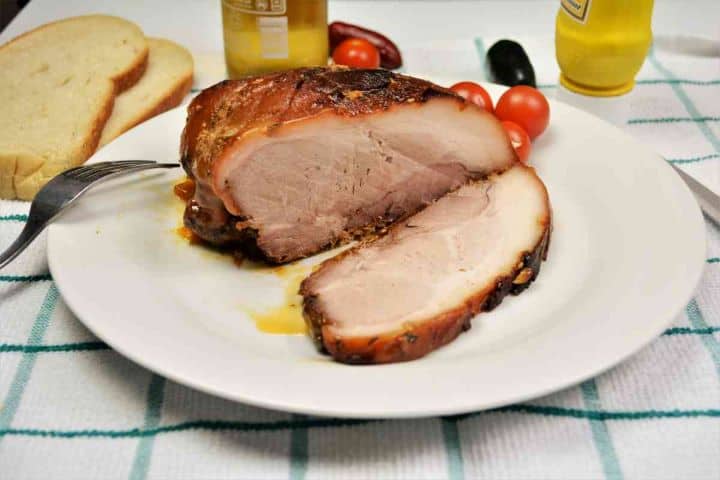
Serve this roast warm straight from the oven for a comforting dinner, pairing thick slices with creamy mashed potatoes and crunchy homemade sun-fermented pickles. To utilize the firm texture as a cold cut the next day, build a hearty sandwich using fresh crusty homemade potato bread and a layer of sharp mustard. For a complete lunch spread, serve the cold slices alongside a traditional Transylvanian butter bean salad made with plump canned beans, sun-dried tomatoes, red onion, and a light dressing of neutral sunflower oil.
Storage, Slicing & Meal Prep
- The Secret to Razor-Thin Slices: Do not slice the meat while it is warm, and do not remove the butcher's twine right away. Let the roast cool completely to room temperature in its pan juices. Wrap the tied roast tightly in aluminum foil and refrigerate it overnight. The cold temperature firms up the meat, allowing you to remove the string the next day and carve perfect, deli-style slices with a sharp chef's knife.
- Fridge Storage: Keep the sliced or whole roast in an airtight container in the refrigerator for 4 to 5 days.
- Freezing: This homemade cold cut freezes beautifully. Carve the entire roast and stack the slices with small squares of parchment paper between them to prevent sticking. Place the stacks in a freezer-safe bag or container and freeze for up to 3 months. Thaw overnight in the fridge before building your sandwiches.
Frequently Asked Questions
To achieve a firm, sliceable texture rather than pulled pork, two things are essential: the meat must remain tightly tied with butcher's twine during the entire cooking process, and it must be completely chilled before you attempt to slice it. Slicing warm, untied pork shoulder will cause the meat fibers to shred and fall apart.
Leave the string on while the meat bakes, while it rests, and while it chills in the refrigerator overnight. Only cut and remove the twine right before you are ready to slice the cold meat. This ensures the roast holds its tight, compact shape.
While a heat-resistant glass baking dish covered tightly with foil works perfectly, you can also use a heavy Dutch oven or a cast-iron braiser with a tight-fitting lid. The most important factor is trapping the steam inside the vessel during the long, low-temperature bake so the meat stays moist.
You can absolutely serve it hot. If you want to serve it immediately as a main course, let it rest for about 20 minutes after removing it from the oven, then carve it into thick half-inch steaks. Reserve the chilled, razor-thin slicing method for the leftovers the next day.
Do not throw them away. The pan drippings are incredibly flavorful from the spice paste and the red bell pepper. You can strain the juices and thicken them on the stovetop with a little cornstarch to make a rich gravy for mashed potatoes, or simply spoon the warm juices over thick slices of the hot roast.
More Hearty Roasts to Try
If you loved this sliceable roasted pork shoulder, I highly recommend trying these other oven-baked meat recipes:
- Slow-Roasted Leg of Lamb: A tender, deeply flavorful centerpiece perfect for a special Sunday dinner or holiday meal.
- Braised Pork Knuckle: Slow-cooked until incredibly tender, creating a rich, savory pan sauce that pairs perfectly with rustic bread.
- Oven-Baked Turkey Legs: An easy, hearty family meal that guarantees juicy meat on the inside with beautifully crisp, golden skin.
- Easy Oven-Baked Pork Steak: A straightforward, fuss-free method for achieving perfectly cooked, juicy pork steaks every single time.
- Oven-Roasted Turkey Thighs: Rich, dark turkey meat roasted slowly to lock in moisture and develop deep, savory flavors.
- Best Braised Duck Legs: Fall-off-the-bone tender duck legs cooked slowly in an aromatic broth until rich and meltingly soft.
Join the Timea's Kitchen Community
If you try this sliceable roasted pork shoulder, I would love to hear how it turns out! Share your results and tag me on Facebook or Instagram so I can see your homemade cold cuts. For daily recipe inspiration and to save your favorite dishes, follow along on Pinterest. Finally, don't forget to subscribe to the @timeaskitchen YouTube channel, where you can watch full step-by-step cooking tutorials and quick recipe shorts.

Sliceable Roasted Pork Shoulder (Perfect for Cold Cuts)
Equipment
- 1 bowl
- 1 heat-resistant glass tray
Ingredients
- 1.5 kg pork shoulder joint ensure it is ready-tied
- 4 tablespoon sunflower oil divided use
- 1 cup water
- ½ piece red bell pepper coarsely sliced
- 1.5 teaspoon vegetable mix for soups
- ½ teaspoon garlic powder
- ½ teaspoon sweet paprika
- ½ teaspoon smoked paprika
- ½ teaspoon caraway powder
- 1 teaspoon sea salt fine
- 4 sprigs fresh thyme chopped
Instructions
- 1: Mix the Spice Paste: In a small bowl, combine the vegetable mix for soups, garlic powder, smoked paprika, sweet paprika, caraway powder, and ½ teaspoon of the kosher sea salt. Stir in the chopped fresh thyme and 2 tablespoons of sunflower oil until you achieve a thick, uniform paste.
- 2: Season the Pork Joint: Ensure your pork shoulder joint remains securely tied with butcher's twine so it holds a tight, uniform shape. Massage the spice paste generously over the entire surface, coating all sides evenly.
- 3: Set Up the Baking Dish: Place the seasoned pork shoulder into a heat-resistant glass baking dish. Scatter the coarsely sliced red bell pepper around the meat. Pour one cup of water directly into the base of the dish, then stir in the remaining ½ teaspoon of kosher sea salt and the last 2 tablespoons of sunflower oil.
- 4: Slow Bake Under Foil: Cover the glass dish tightly with heavy-duty aluminum foil to trap the steam. Place it in a preheated oven at 200°C (400°F) for 30 minutes. After 30 minutes, reduce the oven temperature to 150°C (300°F) and let it bake undisturbed for 2.5 hours.
- 5: Brown and Chill: Carefully remove the foil, spoon the rich pan juices over the meat to baste it, and return the uncovered dish to the oven for a final 15 minutes to develop a golden-brown crust. Let the roast cool completely in its juices before moving it to the refrigerator to chill overnight for perfect slicing.
Notes
- Recipe NotesEquipment: If you don't have a heat-resistant glass dish and foil, a Dutch oven or cast-iron braiser with a tight-fitting lid works perfectly to trap the steam.
- The Secret to Clean Slicing: Do not remove the butcher's twine or attempt to slice the meat while it is warm. Let it cool completely, wrap it tightly, and chill it in the fridge overnight. Cut the string just before slicing with a sharp chef's knife for perfect homemade cold cuts.
- Storage: Store in an airtight container in the fridge for 4 to 5 days, or freeze layered between parchment paper for up to 3 months.
Nutrition
This post contains affiliate links. Read the full disclosure here.