If you are looking for the ultimate comfort dessert, this Sweet Noodle Kugel with Raisins-known in my homeland as Vargabéles-is a masterpiece of Transylvanian and Hungarian cuisine. Whether you recognize it as a classic Jewish Lokshen Kugel or a traditional "sweet pasta" bake, this dish is a staple in my kitchen that I make very often for my family.
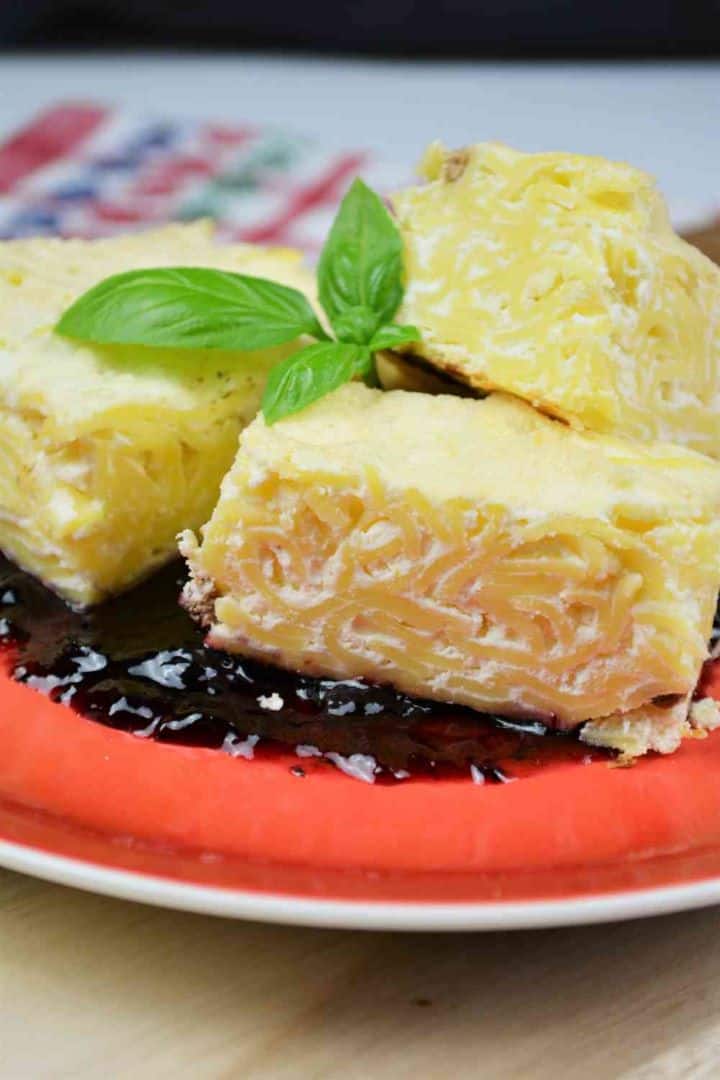
In Hungary and Transylvania, Vargabéles is more than just a noodle pudding; it is a legendary recipe originally from the city of Cluj (Kolozsvár). While many cultures have a version of a sweet noodle bake, the Hungarian "usual" style is famous for its incredibly creamy, citrus-scented cheese filling.
Traditionally, it is often served as a sweet second course following a light soup, or as a decadent weekend brunch. My recipe focuses on that perfect, custardy interior made with túró (farmer's cheese) and golden raisins, baked until the top noodles turn golden and slightly crispy. It's a simple, rustic dish that brings a piece of our Hungarian kitchen straight to your table.
Jump to:
- Ingredients & Substitutions: The Secret to a Creamy Kugel
- How to Make Authentic Vargabéles (Step-by-Step)
- Delicious Variations to Try
- How to Serve Your Sweet Noodle Kugel (Vargabéles)
- How to Store and Reheat Your Noodle Kugel
- Top Tips for the Perfect Vargabéles
- Frequently Asked Questions (FAQ)
- Join Our Hungarian Kitchen Community!
- Related
- Sweet Noodle Kugel (Authentic Hungarian Vargabéles)
Looking for more traditional Transylvanian treats? If you loved this kugel, you should also try my Sweet Fried SemolinaPpudding, this Easy Homemade Apple Cake or my recipe for Light and Fluffy Yeast Doughnuts.
Ingredients & Substitutions: The Secret to a Creamy Kugel
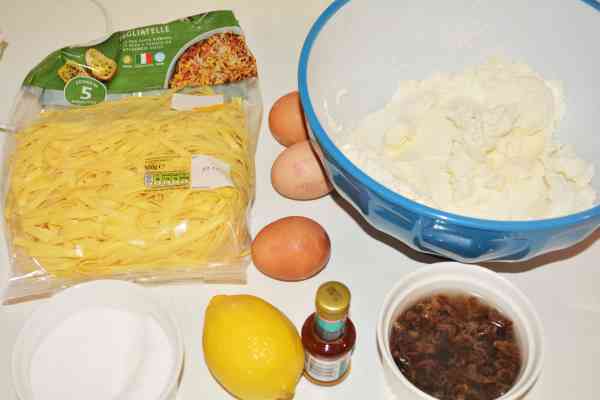
To achieve that classic Hungarian "Túró" texture, the quality and type of cheese you choose are essential. Here is what you'll need to make this sweet noodle cake:
1. The Noodles (Tészta)
Traditional Vargabéles uses wide egg noodles.
- Best Choice: Wide egg noodles, fettuccine, or tagliatelle.
- Pro-Tip: Don't overcook them! Boil them for 2-3 minutes less than the package instructions, as they will finish cooking in the sweet cheese custard in the oven.
2. The Cheese (The Heart of the Dish)
In Hungary, we use Túró, a dry, crumbly farmer's cheese.
- If you are in the US/UK: Look for Farmer's Cheese or Dry Curd Cottage Cheese.
- The Best Substitute: If you can't find farmer's cheese, use full-fat Cottage Cheese, but be sure to strain it through a fine-mesh sieve for 30 minutes to remove excess liquid. You can also use a mix of Ricotta and a splash of lemon juice to mimic the tanginess of Túró.
3. The "Liaison" (Sour Cream & Eggs)
- Sour Cream (Tejföl): Use full-fat sour cream (at least 20%). This provides the signature Transylvanian richness.
- Eggs: These act as the binder. Always use room-temperature eggs for a smoother custard.
4. Sweetness & Aromatics
- Golden Raisins: These are traditional. For a deeper flavor, soak them in warm water or a little rum essence for 10 minutes before adding them to the mix.
- Lemon Zest: Do not skip this! The zest of one organic lemon provides the essential "bright" note that cuts through the richness of the cheese.
- Vanilla Sugar (1 packet): A staple in our pantry that adds that nostalgic, floral aroma.
- Granulated Sugar (150g - 200g): Adjust based on your preference. In Romania and Hungary, we like it sweet but not overpowering.
Why This Recipe is "Usually" Better
Unlike some modern versions that use cream cheese, using Farmer's Cheese creates small "pockets" of texture inside the kugel. When you bite into a slice of Vargabéles, you want to feel the tender noodle, the creamy custard, and the slight crumb of the cheese.
How to Make Authentic Vargabéles (Step-by-Step)
Before we dive into the details, you can watch my full video tutorial below to see exactly how I whip the egg whites and fold the noodles for that signature Transylvanian fluffiness. Seeing the texture of the "Túró" cheese and the golden finish of the crust will help you achieve the perfect result on your first try!
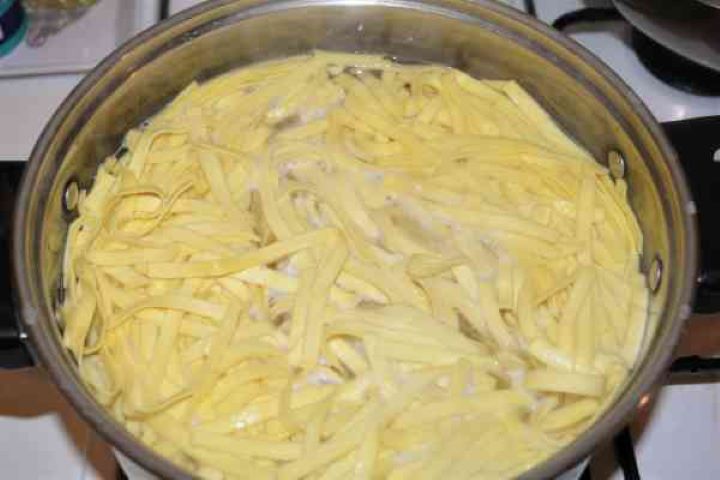
Step 1: Prepare the Noodles and Raisins
Boil your wide egg noodles in salted water until al dente (usually 2-3 minutes less than the package says). Drain them well and toss with a tablespoon of melted butter to keep them from sticking.
- Pro-Tip: While the noodles cook, soak your golden raisins in warm water or a splash of rum to make them plump and juicy.
Step 2: Create the Creamy Cheese Base
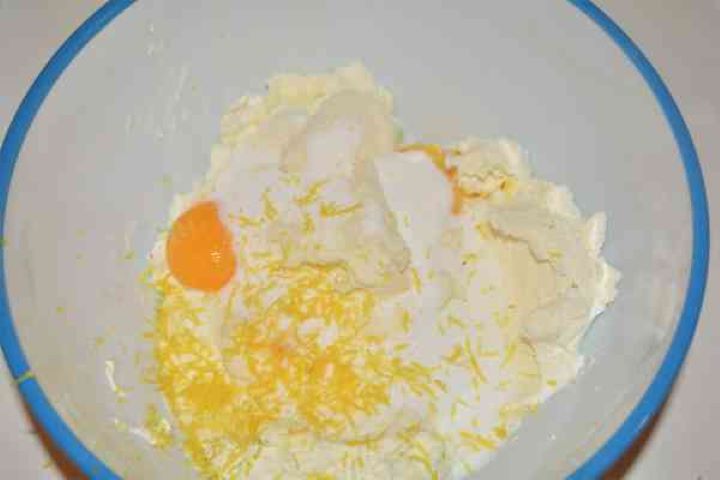
In a large mixing bowl, combine the egg yolks, Farmer's cheese (Túró), sour cream, granulated sugar, vanilla sugar, and lemon zest.
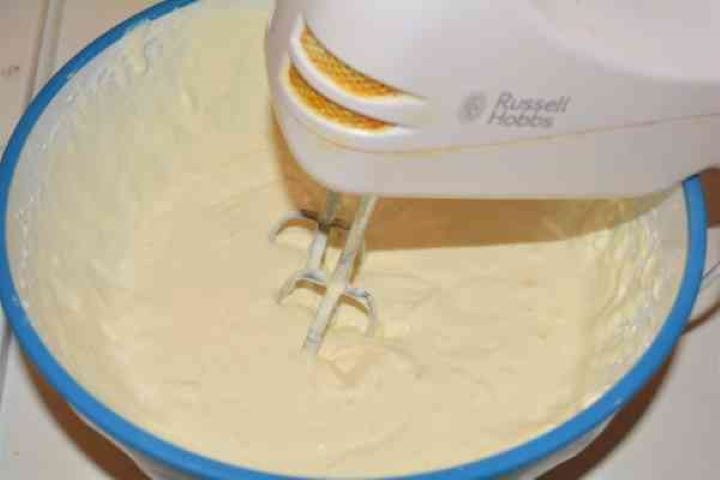
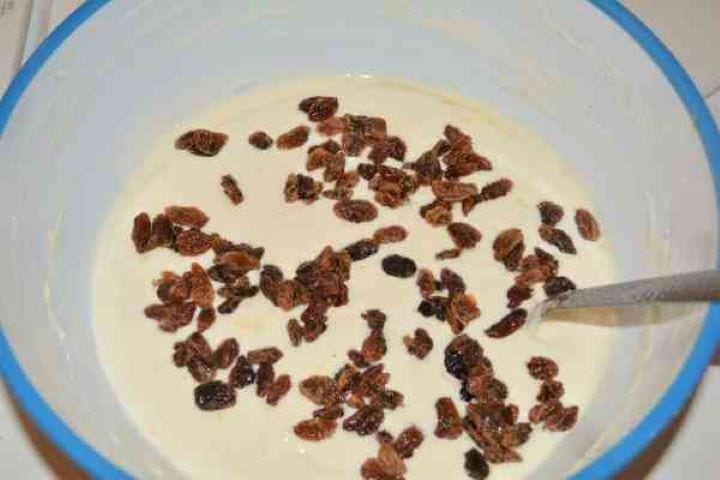
Mix thoroughly until you have a rich, fragrant, and creamy yellow base. Fold in the soaked raisins at the end.
Step 3: Whip the Egg Whites to "Stiff Peaks"
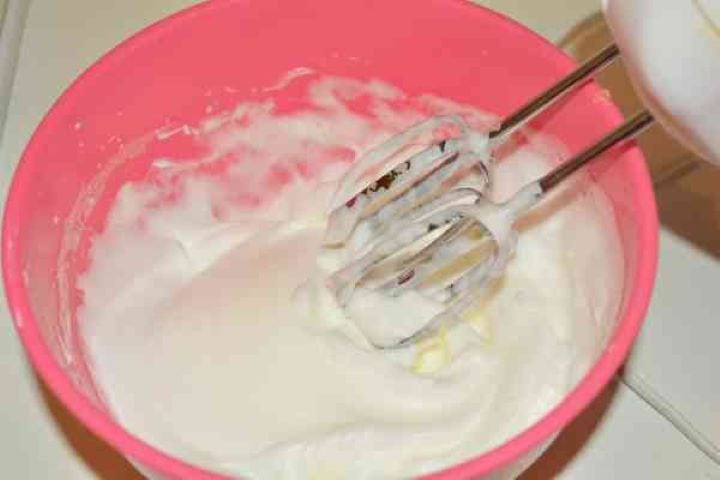
In a separate, perfectly clean bowl, whisk the egg whites with a tiny pinch of salt. Beat them until they form stiff peaks (the foam should stand straight up when you lift the whisk). This is the "Hungarian secret" that makes the kugel incredibly light and fluffy!
Step 4: Incorporate the Noodles and the Foam
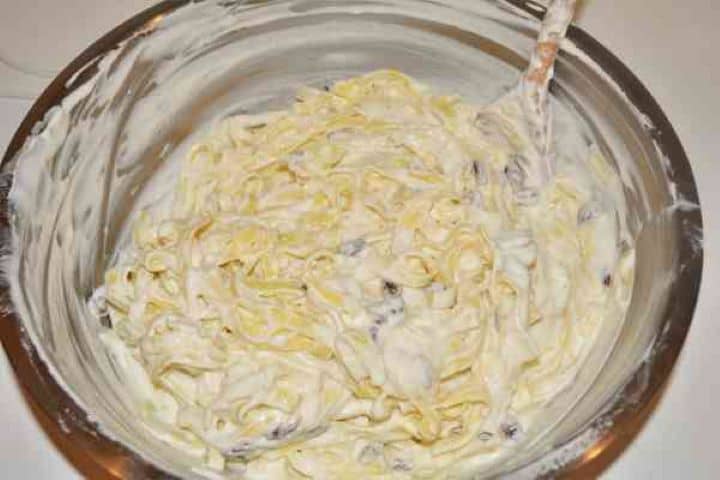
First, stir your cooked, buttered noodles into the yellow cheese base until every strand is coated.
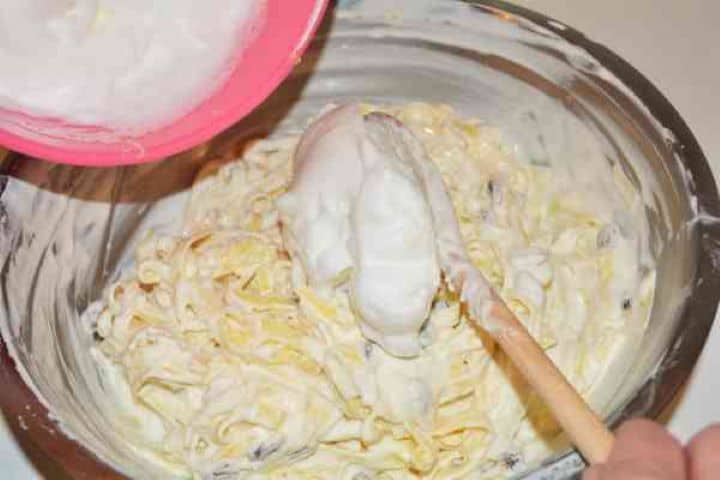
Then, using a spatula, gently fold the egg white foam into the mixture. Use a slow "cut and fold" motion to keep as much air in the batter as possible.
Step 5: The Two-Stage Bake (The Secret to Texture)
Pour the airy mixture into a greased 9x13 inch baking dish.
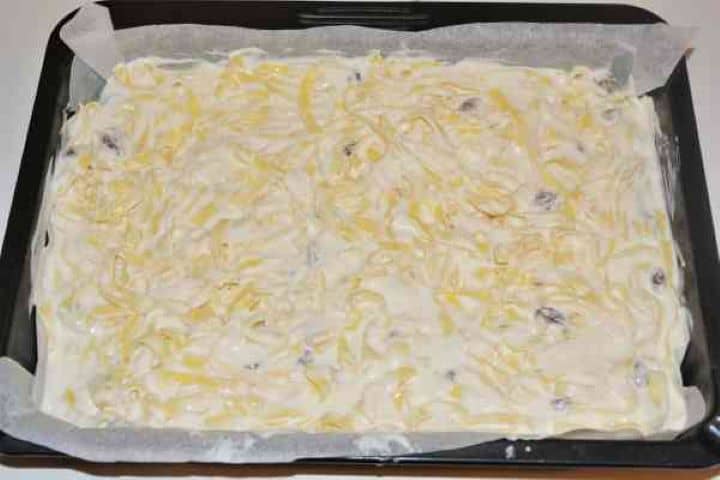
Cover the dish tightly with aluminum foil and bake at 180°C (350°F) for the first 30 minutes. This allows the custard to set perfectly without drying out.
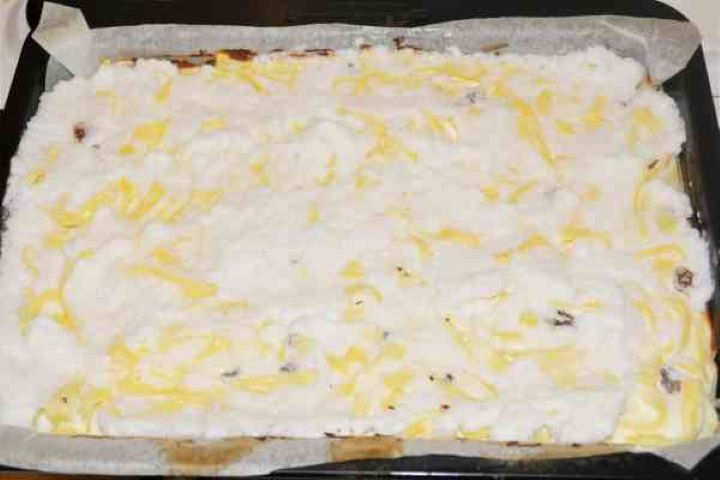
Step 6: The Golden Finish
Remove the foil and continue baking for another 15-20 minutes. Watch for the top noodles to turn a beautiful golden-brown and become slightly crispy. This contrast between the crunchy top and the soft, airy center is what makes Vargabéles so special!
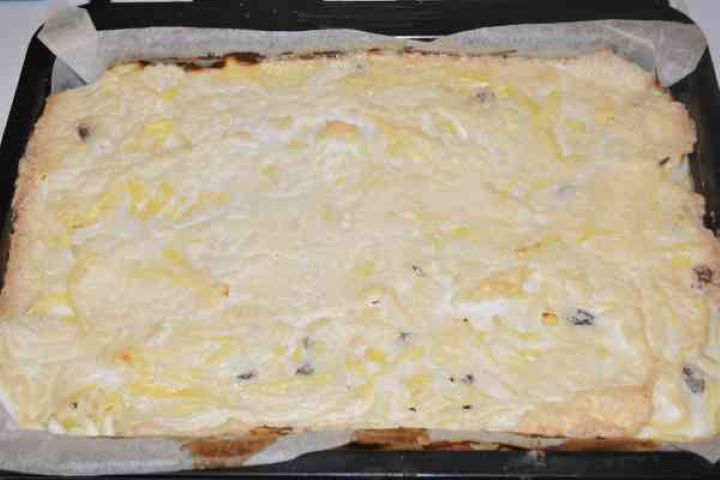
Step 7: The "Resting" Period
Remove from the oven and let the dish rest for at least 15-20 minutes before slicing. This "patience step" ensures the squares hold their shape perfectly when you serve them.
Delicious Variations to Try
While the classic Vargabéles is perfect on its own, you can easily adapt this recipe to suit your taste or what you have in your pantry:
- The "Retes" Style (Phyllo Wrap): For a truly traditional Hungarian presentation, line your baking dish with 2-3 sheets of buttered Phyllo dough (reteslap) before pouring in the noodle mixture, then fold the edges over the top. This adds a delicate, flaky crunch to the outside.
- Fruit Twists: If you aren't a fan of raisins, try substituting them with dried cranberries, chopped dried apricots, or even fresh sour cherries (meggy). In Transylvania, sour cherries and cheese are a match made in heaven!
- Nutty Crunch: Add a handful of sliced almonds or crushed walnuts to the top of the kugel before the final 20 minutes of baking. The toasted nuts add a beautiful aroma and extra texture.
- Zest it Up: While lemon is traditional, substituting half the lemon zest with orange zest gives the kugel a warmer, more festive citrus profile that is perfect for the winter holidays.
- A Hint of Spice: Add a half-teaspoon of ground cinnamon to the sugar mixture for a deeper, cozy flavor that pairs wonderfully with the vanilla and raisins.
How to Serve Your Sweet Noodle Kugel (Vargabéles)
This dish is incredibly versatile and can be enjoyed in several ways, depending on the occasion:
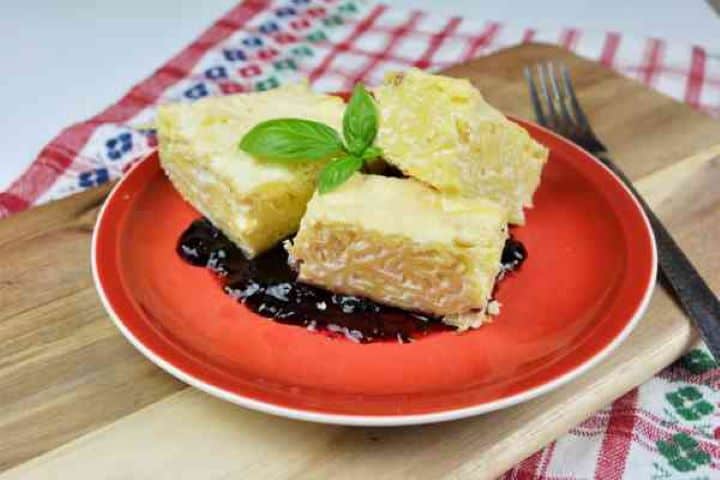
- The Traditional Way: In a classic Hungarian or Transylvanian household, this is often served as a warm second course after a bowl of light vegetable or meat soup. Slice it into generous squares and serve it while still warm for the fluffiest texture.
- The Sweet Finish: Dust the top generously with powdered sugar (icing sugar) right before serving. The fine white sugar melting into the golden, crispy noodles makes for a beautiful presentation.
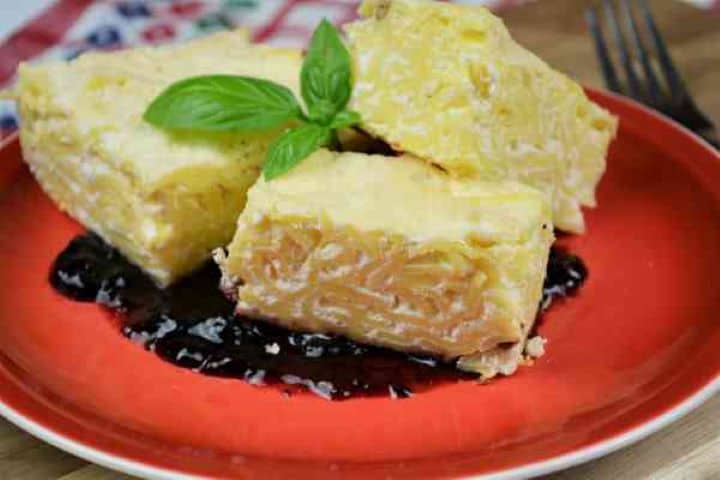
- Add a Fruity Touch: While the kugel is delicious on its own, a dollop of sour cherry jam, apricot preserves, or a simple raspberry coulis on the side adds a wonderful tartness that cuts through the richness of the cheese.
- A Dollop of Cream: For an extra indulgent treat, serve each square with a small spoonful of cold sour cream mixed with a little vanilla sugar-a very traditional way to enjoy sweet pasta dishes in our region.
- Room Temperature or Cold: Believe it or not, Vargabéles is also fantastic the next day! It firms up even more in the fridge, making it a perfect quick snack or a cold breakfast alongside a cup of coffee.
How to Store and Reheat Your Noodle Kugel
Because this Vargabéles is rich in dairy and eggs, proper storage is key to maintaining that creamy, souffle-like interior.
- In the Refrigerator: Once the kugel has cooled completely to room temperature, slice it into portions and place them in an airtight container. It will stay fresh and delicious for up to 3-4 days.
- Can You Freeze Vargabéles? Yes! If you want to save it for later, wrap individual squares tightly in plastic wrap and then place them in a freezer-safe bag. It can be frozen for up to 2 months. Thaw it overnight in the refrigerator before reheating.
- The Best Way to Reheat: To keep the noodles from drying out, avoid the microwave if possible. Instead, place the kugel in an oven-safe dish, cover it with foil, and warm it at 150°C (300°F) for about 10-15 minutes. This gently revives the custard and keeps the edges slightly crisp.
- Cold Snack Tip: In many Hungarian households, cold Vargabéles straight from the fridge is considered the perfect breakfast or a quick afternoon snack alongside a cup of tea!
Top Tips for the Perfect Vargabéles
To ensure your Sweet Noodle Kugel comes out of the oven looking like it's from a professional Transylvanian bakery, follow these expert tips:
- The Cheese Texture: If you are using cottage cheese because you can't find Hungarian túró, strain it for at least 30 minutes in a fine-mesh sieve. Removing the excess liquid is the secret to a thick, creamy custard that doesn't turn the noodles soggy.
- Room Temperature Ingredients: Take your eggs and sour cream out of the fridge 30 minutes before starting. Room-temperature dairy incorporates much more smoothly into the sugar and yolks, preventing "clumps" in your base.
- Don't Over-Boil: Remember that the noodles will cook for another 45-50 minutes in the oven. If you boil them to "soft" on the stove, they will turn into mush in the kugel. Aim for very firm al dente.
- The "Clean Bowl" Rule: When whipping your egg whites, ensure your bowl and whisk are 100% grease-free. Even a tiny speck of oil or yolk will prevent the whites from reaching those stiff peaks that give the kugel its lift.
- The Gentle Fold: When adding the egg white foam, do not stir! Use a large metal spoon or silicone spatula to fold the foam in using a figure-eight motion. You want to see "clouds" of white in the yellow base.
- Patience is Key: I know it smells amazing, but do not cut the kugel immediately. Letting it rest for 20 minutes allows the proteins in the eggs and cheese to set, giving you those beautiful, clean layers when you slice it.
Frequently Asked Questions (FAQ)
While both are beloved sweet noodle bakes, the main difference lies in the technique. Traditional Lokshen Kugel often uses whole eggs for a denser, pudding-like consistency. Vargabéles, the Hungarian version, requires separating the eggs and folding in stiffly beaten whites. This creates a much lighter, "noodle souffle" texture that is unique to Transylvanian baking.
Yes! If you don't have access to Farmer's Cheese (Túró), you can use full-fat cottage cheese. The secret is to strain it through a fine-mesh sieve or cheesecloth for at least 30 minutes to remove excess whey. This prevents your kugel from becoming watery in the oven.
This is a "pro-tip" from my Hungarian kitchen! Covering the dish allows the cheese custard to set and the noodles to steam without the top layer burning. Removing the foil for the final 20 minutes ensures you get those perfectly golden-brown, crispy noodles on top while keeping the inside moist.
Not at all! While golden raisins are the "usual" ingredient in Hungary, you can easily swap them for dried cranberries, chopped apricots, or even leave them out entirely. If you want a more intense flavor, try soaking your raisins in a little rum essence or warm water before adding them to the cheese base.
Absolutely. Simply swap the wide egg noodles for your favorite broad-cut gluten-free pasta. Since the structure of the dish comes mostly from the egg white foam and the cheese custard, it translates very well to a gluten-free version.
The Vargabéles is ready when the edges are set and the center has a slight "jiggle" but feels springy to the touch. The top should be a beautiful deep gold. If you use a thermometer, the internal temperature should reach about 71°C (160°F).
Join Our Hungarian Kitchen Community!
I hope this Sweet Noodle Kugel brings as much warmth and joy to your home as it does to mine. Whether you call it a classic kugel or an authentic Vargabéles, it is a recipe that truly celebrates the simple, heart-warming traditions of Hungarian and Transylvanian baking. If you try this recipe, I would love to hear how it turned out-did you get those perfect crispy noodles on top?
Don't forget to stay part of our cooking journey for more "usual" and hidden gems from our kitchen! You can find more step-by-step tutorials and behind-the-scenes magic by following us on Facebook, Instagram, and Pinterest. For the full visual experience, make sure to subscribe to our YouTube channel, where I walk you through every fold of the egg whites and every golden bake.
Happy baking, and Jó étvágyat!
Related
If you liked my noodle kugel with cottage cheese and raisins recipe and are you curious to find other cheese dessert recipes from our kitchen, try these:
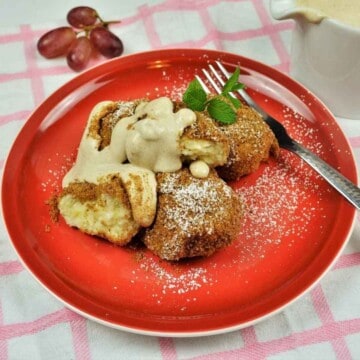
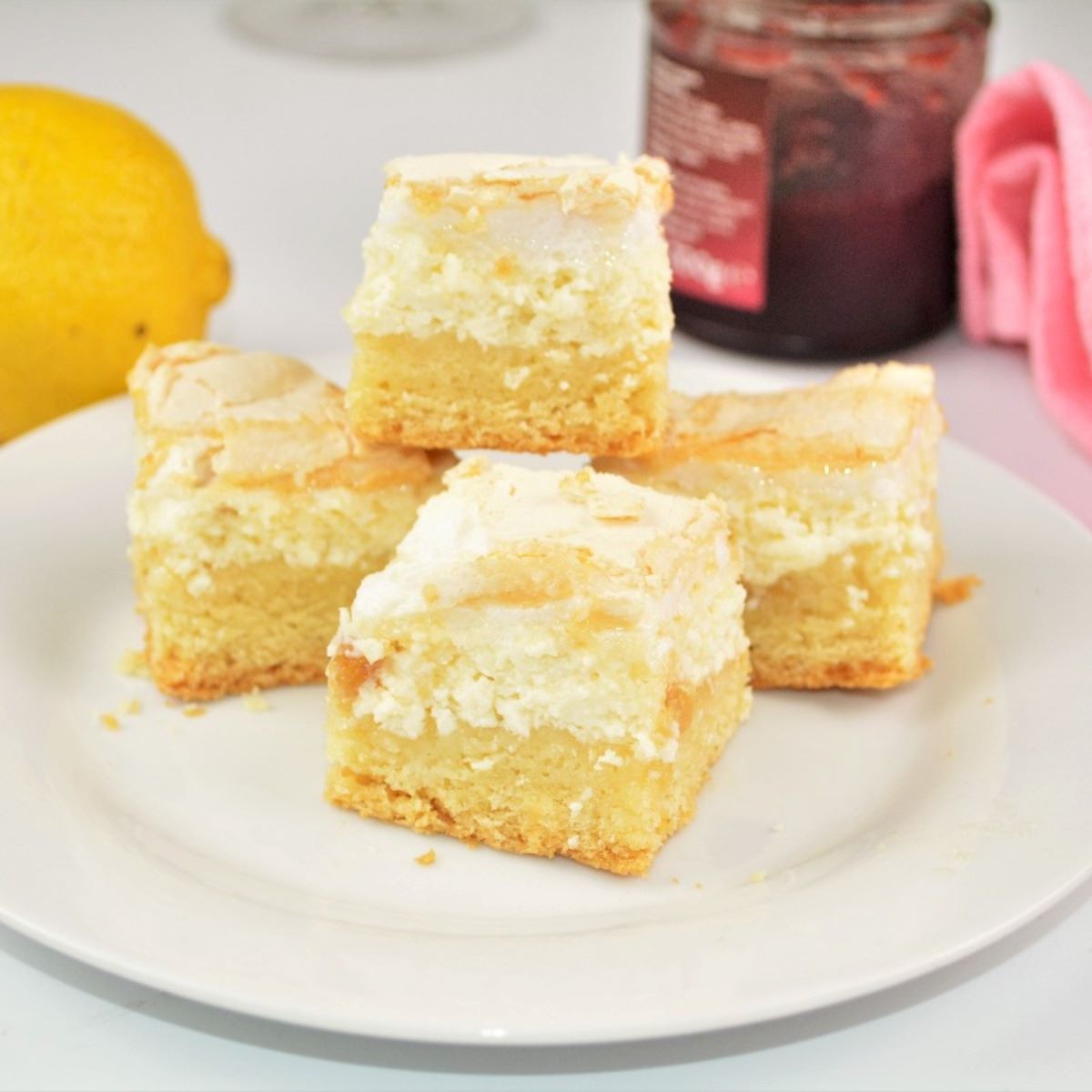
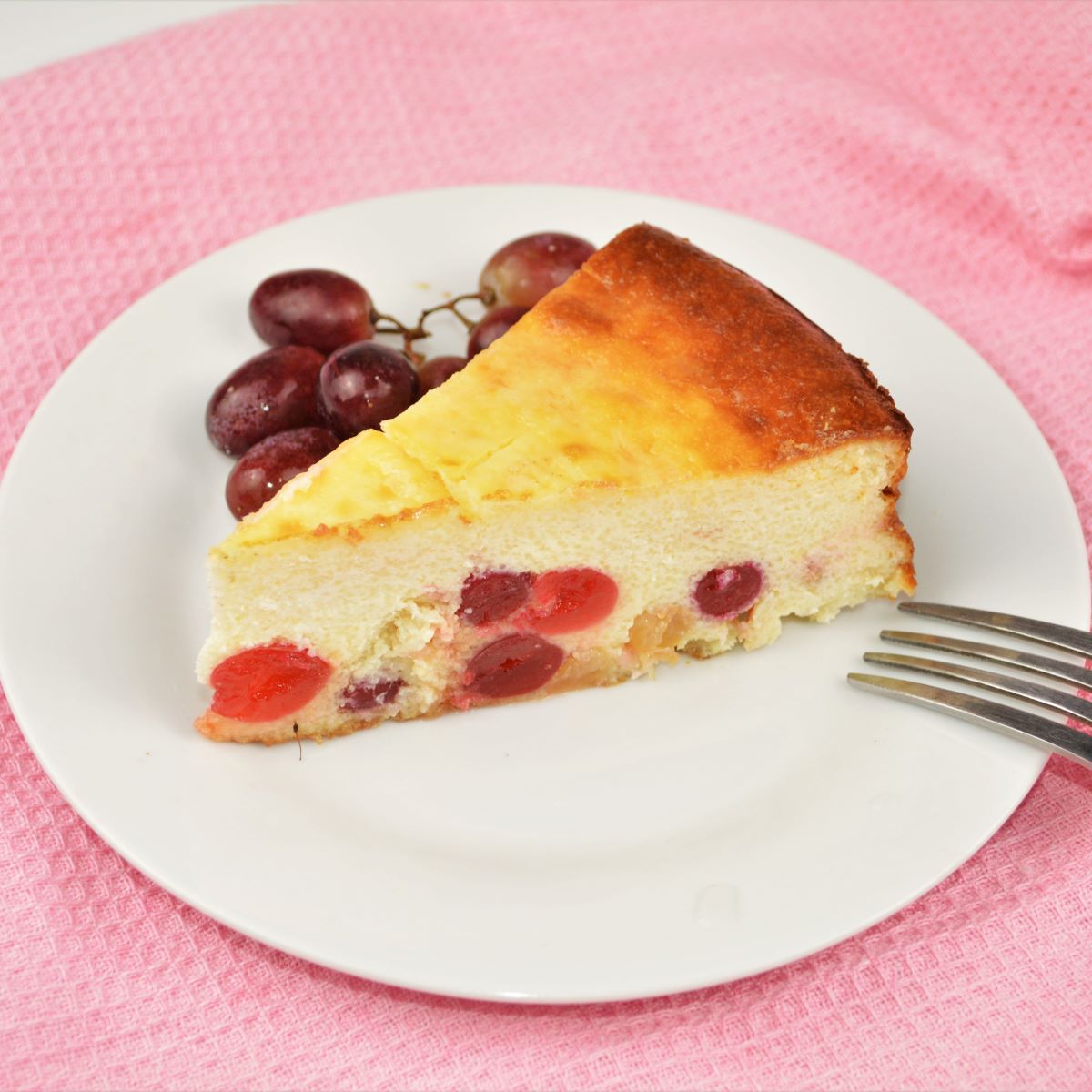
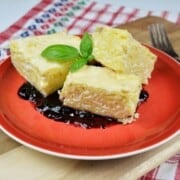
Sweet Noodle Kugel (Authentic Hungarian Vargabéles)
Equipment
- 1 Soup Pot
- 1 strainer
- 2 mixing bowl
- 1 electric mixer
- 1 baking tray
Ingredients
- 500 g fresh tagliatelle or tagliatelle or fettuccine pasta
- 1 kg cheese cream or cottage cheese or curd cheese
- 3 pcs eggs free range
- 70 g raisins or sultanas
- 100 g sugar granulated or powdered
- 1 pc lemon zest
- 1 teaspoon vanilla essence or extract
- ¼ teaspoon sea salt kosher
Instructions
- Boil the Noodles: Cook wide egg noodles in salted water until very firm al dente (2-3 minutes less than package directions).
- Prep Raisins: Soak golden raisins in warm water or rum essence for 10 minutes, then drain.
- Cream the Base: In a large bowl, whisk egg yolks, farmer's cheese (túró), sour cream, sugar, vanilla, and lemon zest until creamy. Fold in the raisins.
- Whip the Whites: In a separate clean bowl, whisk egg whites with a pinch of salt until stiff peaks form.
- Combine: Stir the buttered noodles into the cheese base. Gently fold in the egg white foam with a spatula, being careful not to deflate the air.
- First Bake (Covered): Pour into a greased 9 x 13 dish. Cover tightly with foil. Bake at 180°C (350°F) for 30 minutes.
- Final Bake (Uncovered): Remove foil. Bake for another 15-20 minutes until the top is golden-brown and crispy.
- Rest: Let the dish sit for 20 minutes before slicing into squares.
Video
Notes
- The "Túró" Secret: For the most authentic texture, use Farmer's Cheese or Dry Curd Cheese. If you use Cottage Cheese, you must strain it in a fine-mesh sieve for 30 minutes to remove excess liquid, otherwise, the kugel will be too watery.
- Boil Al Dente: Always cook your noodles for 2-3 minutes less than the package instructions. They will absorb the sweet custard while baking, so starting with firm noodles prevents them from becoming mushy.
- Whipping the Whites: Ensure your mixing bowl is 100% grease-free before whipping the egg whites. Even a tiny drop of yolk or oil will prevent them from reaching the stiff peaks needed for that souffle-like lift.
- The Foil Trick: Don't skip the first 30 minutes of baking with aluminum foil! This steams the noodles and sets the custard perfectly. Removing it for the final 20 minutes is what gives you those signature "crunchy bits" on top.
- Rum Essence: For a true Hungarian flavor, soak your raisins in warm water with a teaspoon of rum essence or dark rum before adding them to the cheese base.
- Serving Suggestion: Serve warm with a dusting of powdered sugar or a side of sour cherry jam to balance the sweetness of the cheese.
Nutrition
This post contains affiliate links. Read the full disclosure here.