
If you are tired of thick, heavy, pureed pea soups, this authentic Hungarian Green Pea Soup (Borsóleves) is exactly what your recipe rotation needs.
Unlike Western-style split pea soups, this traditional Transylvanian and Hungarian classic features a light, clear, and vibrant broth seasoned with sweet Hungarian paprika. It is packed with tender whole peas, sweet carrots, and small, rustic, homemade drop dumplings that cook right in the broth.
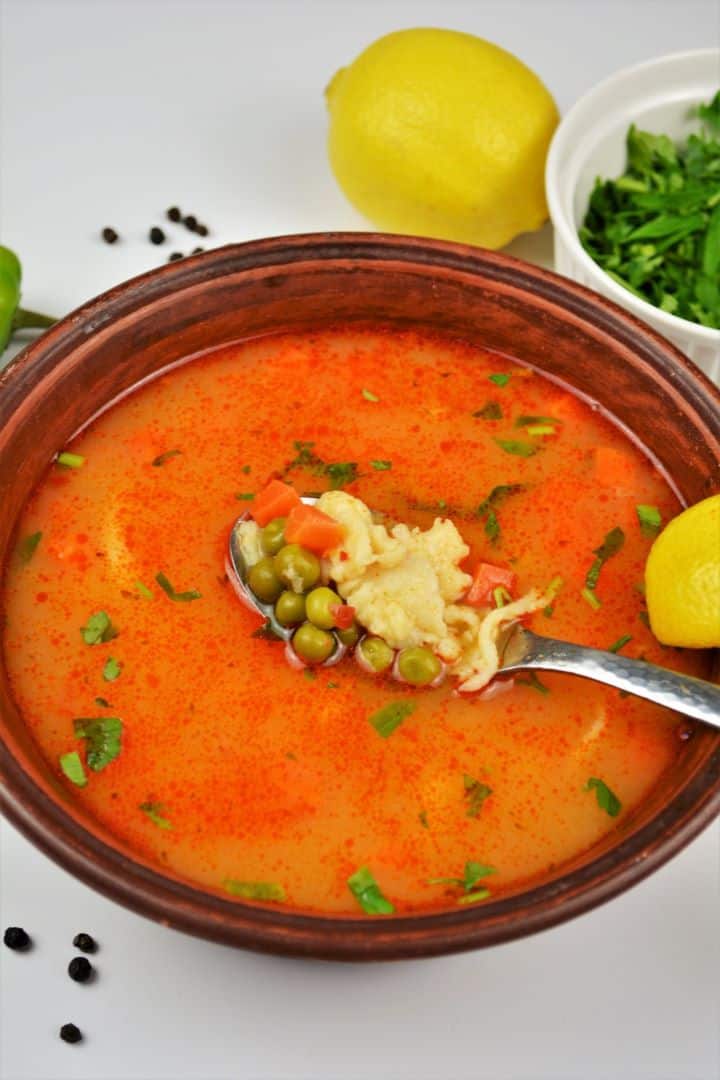
Growing up, this was a comforting staple that my grandmother would make fresh as soon as the garden peas were sweet and plump. It is incredibly easy to prepare, budget-friendly, and comes together in just under 30 minutes. Whether you want a nostalgic taste of Central Europe or a quick, vegetable-packed lunch, this clear paprika-infused soup delivers pure comfort in every spoonful.
Jump to:
- Why Hungarian Pea Soup is Different
- 🛒 Ingredients You Will Need
- 📺 Step-by-Step Video Tutorial
- 👩🍳 How to Make Hungarian Green Pea Soup
- 🥚 How to Make and Drop the Homemade Noodles (Galuska)
- 🔄 Recipe Variations and Substitutions
- 🍽️ How to Serve Hungarian Green Pea Soup
- 🛍️ How to Store and Reheat Leftovers
- 💡 Top Tips for the Perfect Borsóleves
- ❓ Frequently Asked Questions (FAQ)
- 🍲 More Comforting Soup Recipes to Try
- 💬 Join the Conversation!
- Related
- Authentic Hungarian Green Pea Soup (Borsóleves)
Why Hungarian Pea Soup is Different
While many global recipes call for pureeing peas into a smooth green liquid, Hungarian cooks prefer a completely different approach. We leave the vibrant vegetables beautifully whole and add homemade noodles right into the pot, giving the soup a wonderful texture and making it incredibly satisfying.
In fact, a hearty bowl of Borsóleves is traditionally served as the star first course for lunch, followed by a sweet pastry or dessert like authentic Hungarian plum dumplings (szilvás gombóc) or fluffy, sugar-dusted yeast doughnuts.
🛒 Ingredients You Will Need
This recipe is divided into two simple parts: the flavorful vegetable soup base and the quick, handmade egg noodles.
For the Paprika Pea Soup:
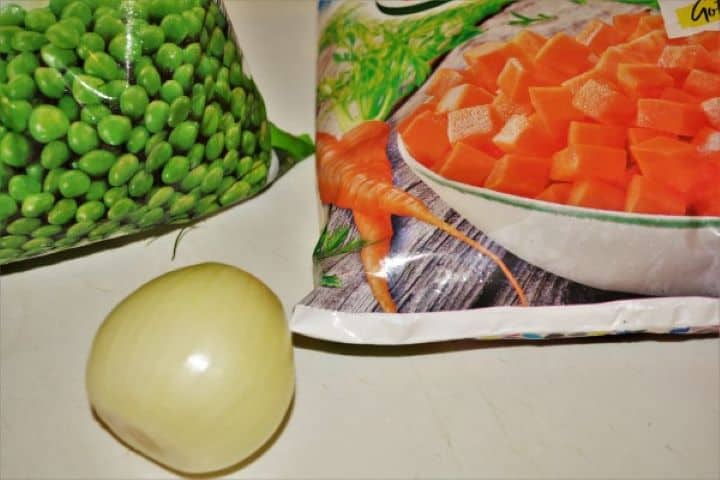
- 500g frozen green peas: Sweet garden peas work perfectly here. No need to thaw them beforehand!
- 200g frozen carrots: Diced or sliced into small cubes.
- 1 medium onion: Kept whole to flavor the broth and removed before serving.
- 100ml sunflower oil: (Or vegetable oil) used to fry the vegetables and create the traditional roux base.
- 1 tablespoon wheat flour: All-purpose flour to help bind and slightly thicken the soup.
- 1 tablespoon sweet Hungarian paprika powder: Crucial for that authentic Central European flavor and beautiful red color.
- 1 tablespoon Hungarian sweet paprika cream: (Such as Piros Arany paste) for an extra layer of rich, concentrated savory flavor.
- 2 tablespoon dried vegetable seasoning mix: (Like Vegeta or a similar traditional European mix).
- 1 tablespoon vegetable stock concentrate: For a deep, savory background broth.
- 1 tablespoon sea salt: Adjusted to taste.
- 4 liters cold water: The perfect amount of liquid to feed a family of six.
For the Homemade Drop Dumplings (Galuska):
- 2 medium eggs: The rich base for your rustic soup noodles.
- 2 tablespoon wheat flour: (All-purpose flour) to build the batter.
- 2 tablespoon water: To adjust the consistency into a perfectly soft, droppable dough.
- 1 teaspoon sea salt: To season the noodle dough from within.
Timea's Culinary Tip: If you cannot find Hungarian sweet paprika cream in your local shop, you can substitute it with a high-quality mild tomato paste mixed with a tiny pinch of extra sweet paprika powder. However, using the authentic paste really brings that genuine Transylvanian home-cooked flavor to the table!
📺 Step-by-Step Video Tutorial
If you are a visual learner, watch Laci and me cook this traditional soup from scratch in our home kitchen. We walk you through the entire process, including how to get the perfect texture for the handmade drop dumplings!
👩🍳 How to Make Hungarian Green Pea Soup
This soup comes together quickly using a traditional Hungarian cooking method. Follow these steps for the best results:
1. Sauté the Peas and Carrots
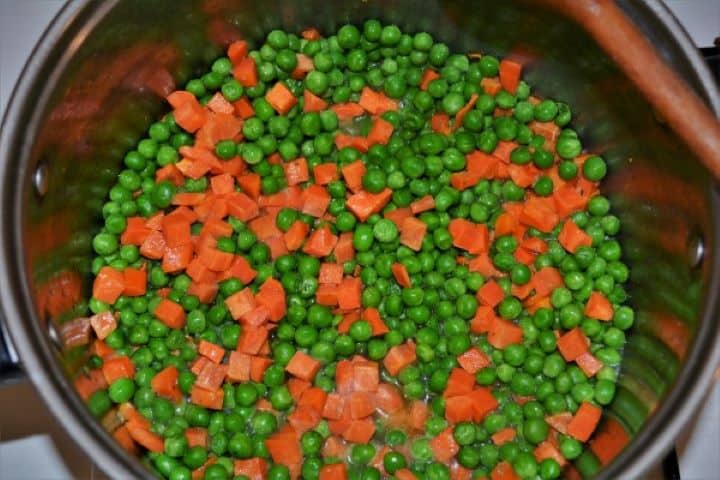
Grab a large soup pot (at least 5-liter capacity) and heat 100ml of sunflower oil over medium heat. Add both the 500g of frozen green peas and the 200g of diced carrots directly into the hot oil. Stir frequently and let them sauté for about 5 minutes to thaw out and release their natural sweetness.
2. Build the Paprika Base
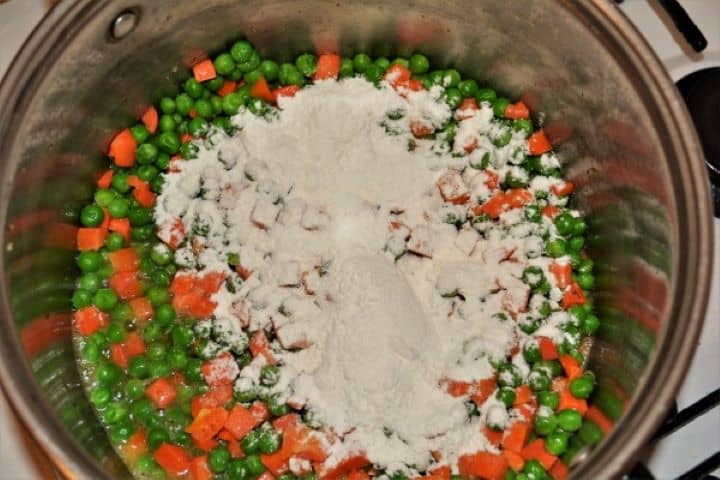
Sprinkle 1 tablespoon of wheat flour over the vegetables and stir well to coat them-this will help bind and slightly thicken our broth.
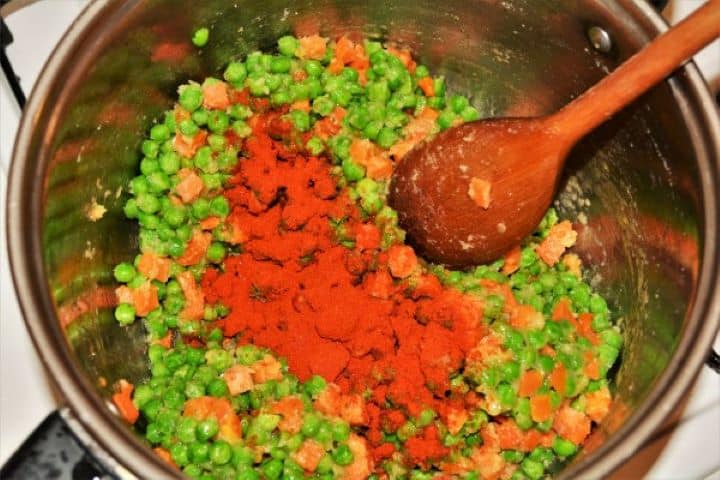
Next, add 1 tablespoon of sweet Hungarian paprika powder and give it a quick stir. Work fast here! Only let the paprika toast for a few seconds so it doesn't burn and turn bitter.
3. Pour the Water in Two Stages
Immediately pour in the first 500ml (half a liter) of cold water and stir thoroughly. This small amount makes it incredibly easy to dissolve the flour and paprika into a smooth, lump-free base.
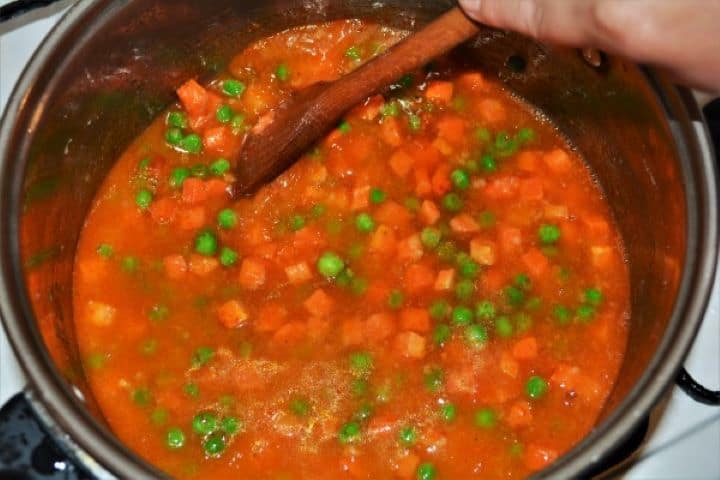
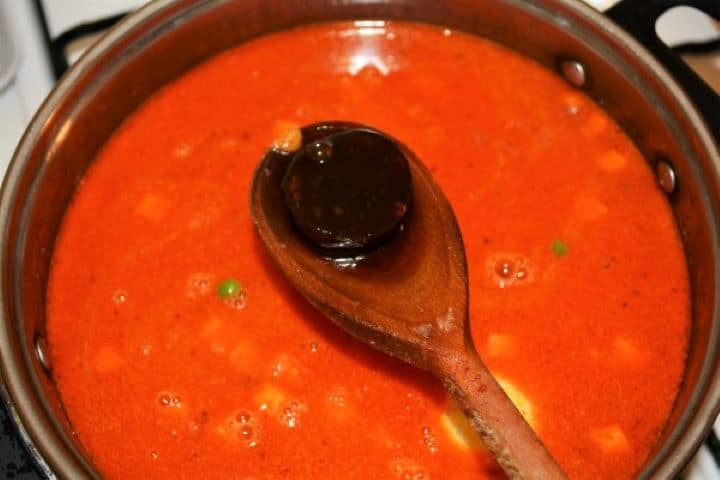
Once smooth, pour in the remaining 3.5 liters of water (making 4 liters total, which is perfect for feeding six people).
4. Add the Seasonings
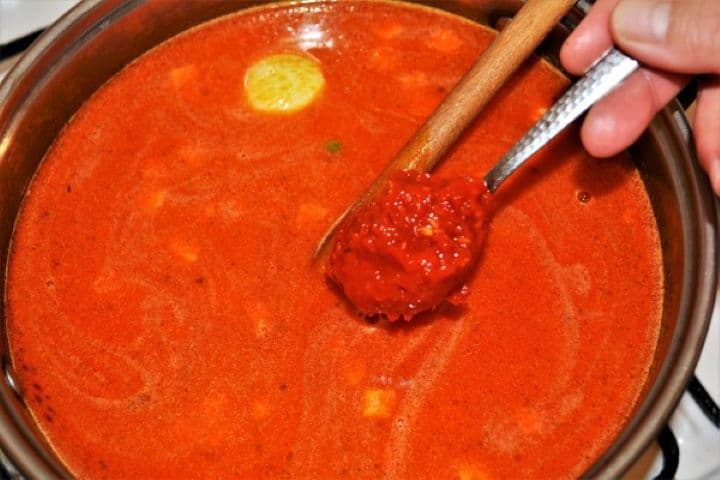
Now, add the whole peeled onion, 2 tablespoons of dried vegetable seasoning mix, and 1 tablespoon of vegetable stock concentrate. For that signature, rich depth of flavor, stir in 1 tablespoon of Hungarian sweet paprika paste (Piros Arany), which is a staple in my kitchen!
5. Skim and Simmer
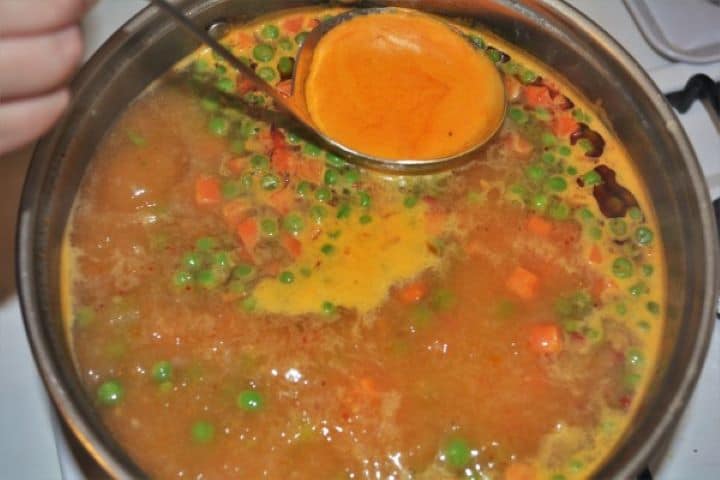
Bring the soup up to a boil. After a few minutes, you will see some foam rise to the surface-simply skim this off using a spoon or a small ladle to keep the broth clear. Let the soup boil for no more than 10 minutes. This precise timing ensures the green peas stay beautifully whole and tender.
🥚 How to Make and Drop the Homemade Noodles (Galuska)
While your soup is enjoying its 10-minute simmer, you can quickly whip up these rustic, tender drop dumplings. They lift this soup from a simple vegetable broth to pure comfort food.
1: Mix the Batter
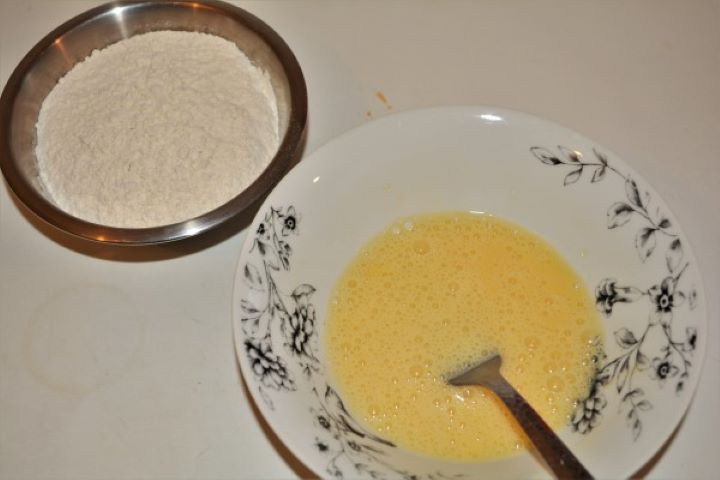
In a small bowl, crack the 2 medium eggs and add 1 teaspoon of sea salt. Whisk them together thoroughly with a fork. Add the 2 tablespoons of wheat flour and 2 tablespoons of water.
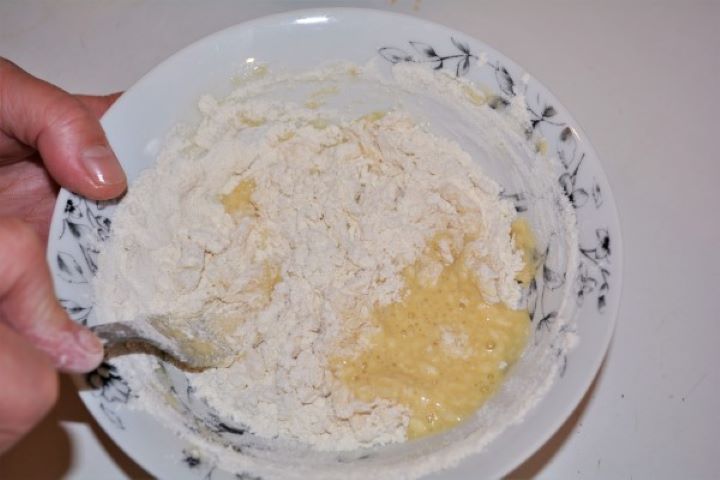
Beat the mixture vigorously with your fork for about a minute until you have a smooth, thick, and slightly stretchy batter.
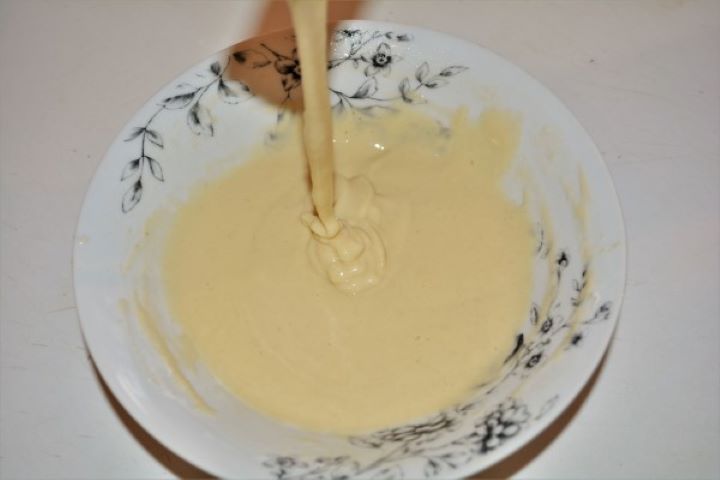
2: The Fork-Dropping Technique
Once your peas and carrots are tender and the 10-minute boil is up, turn the heat down to a gentle simmer. Discard the whole onion. Now, let's drop the noodles:
- Dip your fork directly into the hot soup broth for a second. This warms the fork and prevents the raw dough from sticking to it.
- Scoop up a small, pea-sized amount of batter onto the tip of the wet fork.
- Hold the fork over the pot and let the hot broth wash the noodle dough off, or gently scrape it against the side of the pot so it drops into the soup.
- Repeat this process quickly until all your batter is used up.
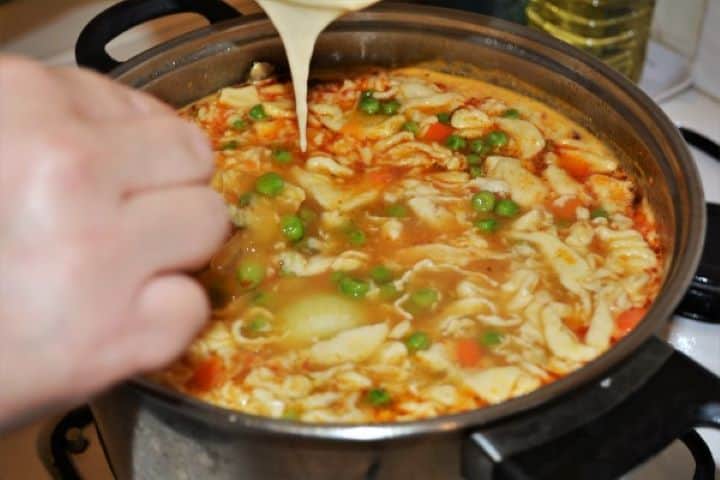
3: The Final Simmer
As soon as the dumplings hit the hot broth, they will sink and then quickly pop back up to the surface. Once all the noodles are floating on top, let them simmer for just 3 to 5 minutes more. This ensures they are perfectly cooked through, light, and tender.
Remove the pot from the heat, and your authentic Hungarian Green Pea Soup is ready to serve!
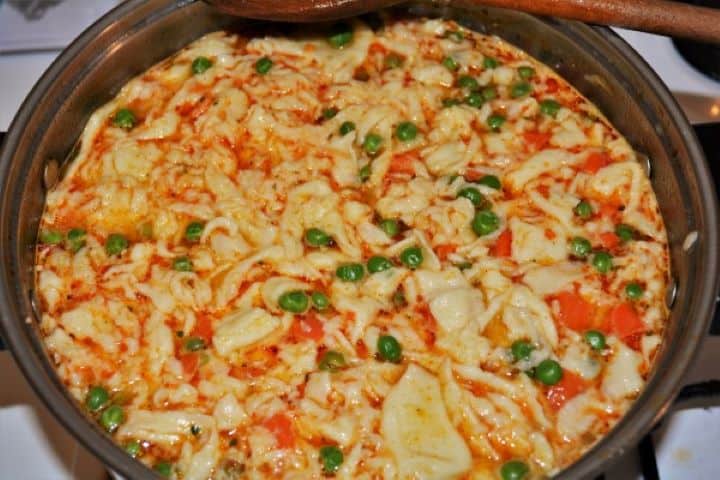
💡 Expert Baker's Tip: Don't worry if your drop dumplings (galuska) aren't perfectly uniform! Their charming, irregular shapes are exactly what gives this traditional Central European soup its rustic, homemade character.
💡 Timea's Kitchen Secret: If you want to speed up the process or make perfectly uniform noodles, you can use a traditional Hungarian noodle grater (nokedli szaggató). Just pour the batter into the hopper and slide it back and forth over the boiling soup. But doing it with a fork-just like our grandmothers did-gives the soup that lovely, irreplaceable rustic charm!
🔄 Recipe Variations and Substitutions
While this traditional, clear paprika broth is my absolute favorite way to make Borsóleves, this versatile soup can easily be adapted to suit your family's taste or what you have in your fridge!
- Make it Creamy (Tejfölös Borsóleves): If you love a richer, tangy soup, you can add sour cream. Whisk 2-3 tablespoons of Hungarian sour cream (tejföl) or heavy cream with a ladle of the hot soup broth in a bowl until smooth, then stir it back into the pot right at the end of cooking.
- Add Smoked Meat or Sausage: To turn this into an incredibly hearty main meal, you can add diced smoked bacon (szalonna) or sliced frankfurters (virsli). Sauté the bacon or sausage in the oil right before you add the peas and carrots to let the smoky fat infuse the entire base.
- Keep it Strictly Vegan: My version uses sunflower oil and vegetable stock, making it naturally vegetarian! To make it completely vegan, simply skip the egg dumpling dough and replace it with small, egg-free soup pasta or diced potatoes cooked directly in the broth.
- Fresh Summer Version: When fresh garden peas are in season during the summer, replace the frozen peas with fresh ones. You can also toss in a handful of finely chopped fresh parsley or a spring of fresh dill right at the very end to give the soup a beautiful, bright pop of color and aroma.
🍽️ How to Serve Hungarian Green Pea Soup
This vibrant soup is best enjoyed piping hot, straight from the stove. Here is how to present it beautifully and serve it the traditional way:
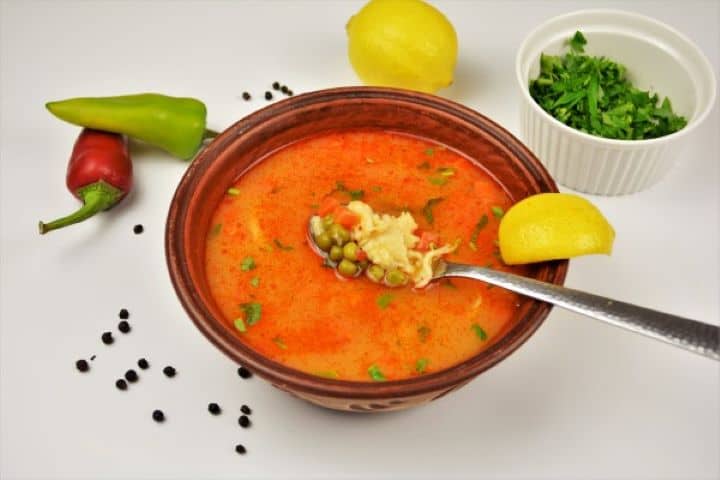
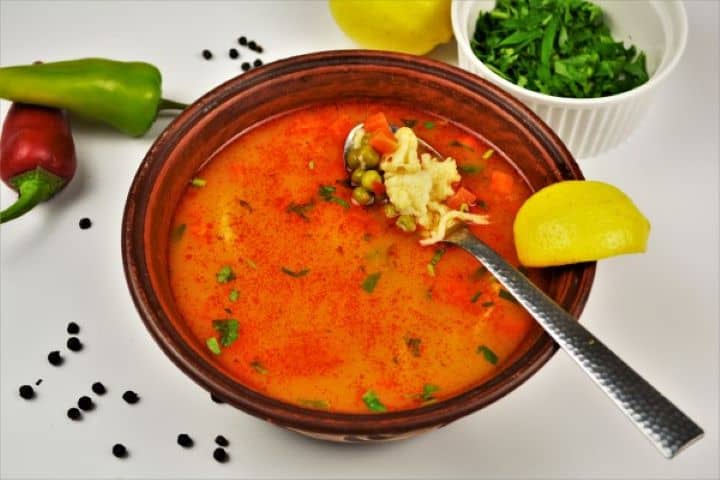
- The Perfect Garnish: Before ladling the soup into bowls, finely chop a generous handful of fresh flat-leaf parsley. Sprinkle it right on top of each serving. The bright green parsley creates a gorgeous color contrast against the deep red, paprika-infused broth.
- Add a Crusty Side: While the soup is incredibly satisfying on its own thanks to the handmade dumplings, a slice of fresh, crusty white bread or a traditional Hungarian crescent roll (kifli) is perfect for wiping up every last drop of that savory broth.
- The Authentic Sunday Lunch Experience: In Hungary and Transylvania, a light vegetable soup like Borsóleves is rarely eaten alone for lunch. To serve it like a true local, follow this soup with a sweet, comforting second course. It pairs perfectly with homemade plum dumplings (szilvás gombóc), sweet cheese crepes (túrós palacsinta), or fluffy yeast doughnuts.
😋 Laci's Favorite Way to Eat It: If you like a little extra tang, place a small bowl of high-quality sour cream on the table. Spooning a dollop directly into your own bowl turns the clear broth into a rich, creamy, pastel-pink delight that is absolutely addictive!
🛍️ How to Store and Reheat Leftovers
If you happen to have any leftovers, this soup stores beautifully!
- Storage: Allow the soup to cool completely, then transfer it to an airtight container and keep it in the fridge for up to 3 days.
- The Dumpling Warning: Keep in mind that the homemade noodles will continue to absorb the broth as they sit in the fridge, making them extra plump and tender by day two.
- Reheating: Pour the soup into a small saucepan and reheat gently over medium heat until steaming. If the noodles have soaked up too much liquid, simply splash in a few tablespoons of water or vegetable stock to loosen the broth back up.
💡 Top Tips for the Perfect Borsóleves
After making this traditional soup for my family for years, these are my golden rules to ensure it comes out perfectly vibrant, flavorful, and comforting every single time:
- Never Burn the Paprika: This is the most important rule in Hungarian cooking! Sweet paprika powder burns within seconds if left on direct heat without liquid, making the entire soup bitter. Have your first half-liter of water measured out and ready to pour the moment the paprika hits the oil and flour.
- The Two-Stage Water Trick: Trying to dissolve flour and paprika into 4 liters of water all at once will result in stubborn flour lumps. Always add just half a liter of cold water first, stir until you have a perfectly smooth, silky paste, and then pour in the rest of the liquid.
- Watch the Clock for Plump Peas: To keep your green peas vibrant, sweet, and perfectly whole, do not let the soup boil for more than 10 minutes before dropping the noodles. Overcooked peas will lose their bright green color and turn mushy.
- Master the Wet Fork Technique: When dropping your galuska (dumplings), always dip your fork into the hot boiling soup for a second before scooping up the raw batter. The heat creates a barrier of steam that stops the sticky dough from clinging to your fork, letting it slide effortlessly into the pot.
- Sauté Right from Frozen: Do not thaw your frozen peas and carrots before cooking! Tossing them directly into the hot sunflower oil while frozen allows them to release their sugars slowly as they thaw, creating a much richer, sweeter soup base.
❓ Frequently Asked Questions (FAQ)
Borsóleves (pronounced bor-shoh-leh-vesh) is the literal Hungarian word for pea soup. Borsó means pea, and leves means soup. It is a traditional cornerstone of home cooking in Hungary and Transylvania.
If your soup has a bitter aftertaste, the sweet paprika powder likely burned during the roux stage. Paprika contains natural sugars that caramelize and burn quickly if left on direct heat without liquid. To prevent this, always have your water measured out and ready to pour into the pot immediately after stirring in the paprika.
Yes! To make a gluten-free Borsóleves, substitute the all-purpose wheat flour in the vegetable roux with a high-quality 1:1 gluten-free baking flour blend. For the drop dumplings, you can use the same gluten-free flour blend, though the texture will be slightly less stretchy than traditional wheat-based galuska.
Boiling the soup for a strict maximum of 10 minutes ensures that the green peas and diced carrots retain their bright, vibrant colors and beautiful shape. Overcooking them will cause the peas to wrinkle, turn mushy, and lose their natural sweetness.
Absolutely! If you are lucky enough to have fresh garden peas during the summer, they work wonderfully in this recipe. Since fresh peas can sometimes be a bit firmer than frozen ones, you may need to extend the initial boiling time by 3 to 5 minutes before dropping in your homemade noodles.
I do not recommend freezing this soup once the handmade drop dumplings have been added. The egg noodles will absorb too much moisture during the freezing and thawing process, causing them to break apart and turn mushy. However, you can easily freeze the vegetable broth base before adding the noodles, and then whip up a fresh batch of dumpling batter when you reheat it!
🍲 More Comforting Soup Recipes to Try
If you loved this comforting bowl of Borsóleves, you will definitely want to check out some of our other traditional, family-favorite soup recipes on the blog:
- Creamy Kohlrabi Soup - Another Central European classic that is silky, light, and packed with seasonal flavor.
- Savory Hungarian Cabbage Soup - A deeply comforting, traditional soup infused with fragrant dill and thyme.
- Authentic Hungarian Goulash (Gulyásleves) - The ultimate rich, smoky beef and potato soup that everyone loves.
- Traditional Hungarian Fish Soup (Halászlé) - A vibrant, fiery red river-fish soup seasoned with plenty of sweet paprika.
- White Bean Soup with Smoked Ribs - Hearty, smoky, and perfect for cold weather days.
- Smoked Sausage and Potato Soup - Quick, rustic comfort food featuring savory Hungarian sausage.
- Nourishing Homemade Turkey Soup - A golden, clear broth packed with vegetables and a robust spice profile.
💬 Join the Conversation!
Laci and I absolutely love reading your feedback and seeing your kitchen creations! Have you ever tried making pea soup with homemade drop dumplings before, or is this your first time trying Borsóleves?
Let us know in the comments below!
If you made this recipe, please leave a star rating on the recipe card-it helps our blog grow so much. Don't forget to snap a photo and tag us on Instagram and Facebook, subscribe to our YouTube channel to watch us cook, and pin this recipe to your favorite comfort food boards on Pinterest so you can save it for later!
Happy cooking, from our kitchen to yours!
Related
Looking for other Transylvanian soup recipes like this? Try these:
Authentic Hungarian Green Pea Soup (Borsóleves)
Equipment
- 1 Soup Pot
- 1 bowl
Ingredients
Soup Base
- 500 g green peas frozen
- 200 g frozen carrots diced into small cubes
- 100 ml sunflower oil or vegetable oil
- 1 tablespoon wheat flour all-purpose
- 1 tablespoon Hungarian paprika powder sweet
- 4 l cold water divided into 500 ml and 3.5 L
- 1 piece onion peeled, left whole
- 2 tablespoon dried vegetable seasoning mix like Vegeta
- 1 tablespoon vegetable stock concentrate
- 1 tablespoon sweet paprika cream Hungarian, such as Piros Arany
- 1 tablespoon sea salt or to taste
Homemade Drop Dumplings (Galuska)
- 2 pieces eggs medium
- 2 tablespoon wheat flour all-purpose
- 1 teaspoon sea salt kosher
- 2 tablespoon water cold
Instructions
- 1. Sauté the Vegetables: Heat 100 ml of sunflower oil in a large 5-liter soup pot over medium heat. Add the 500 g of frozen green peas and 200 g of diced carrots directly into the pot. Stir well and let them sauté for about 5 minutes to thaw slightly and release their natural sweetness.
- 2. Add Flour and Paprika: Sprinkle 1 tablespoon of wheat flour over the sautéed vegetables and stir to coat completely. Add 1 tablespoon of sweet Hungarian paprika powder and stir quickly. Let the paprika toast for just a few seconds-work fast here so the paprika doesn't burn and turn bitter!
- 3. Pour Water in Two Stages: Immediately pour in the first 500 ml (half a liter) of cold water and stir vigorously. This smaller amount allows the flour and paprika to dissolve smoothly without forming lumps. Once a smooth base forms, pour in the remaining 3.5 liters of cold water.
- 4. Season the Broth: Add the whole peeled onion, 2 tablespoons of dried vegetable seasoning mix, 1 tablespoon of vegetable stock concentrate, and 1 tablespoon of Hungarian sweet paprika paste into the pot. Stir to combine.
- 5. Simmer and Skim: Bring the soup to a boil. After a few minutes, a light foam will form on top; gently skim this off using a spoon or ladle. Reduce the heat slightly and let the soup boil for a maximum of 10 minutes so the green peas remain perfectly whole and plump.
- 6. Mix the Dumpling Batter: While the soup is boiling, prepare the noodle dough. In a small bowl, whisk 2 medium eggs with 1 teaspoon of sea salt using a fork. Add 2 tablespoons of wheat flour and 2 tablespoons of water. Beat the mixture thoroughly with the fork for about a minute until you get a smooth, thick, and slightly stretchy batter.
- 7. Drop the Dumplings: Once the 10-minute vegetable boil is complete, discard the whole onion and turn the heat down to a gentle simmer. Dip your fork into the hot soup broth for a second (this prevents sticking), scoop up a pea-sized amount of batter onto the tip of the fork, and drop it into the simmering broth. Repeat quickly until all the batter is used.
- 8. Final Cook: Once all the dumplings rise and float to the top of the soup, let them simmer for an additional 3 to 5 minutes until tender. Remove from heat and serve hot.
Video
Notes
- The Paprika Rule: Sweet Hungarian paprika powder burns easily on direct heat. Always have your first splash of water ready to go immediately after stirring the paprika into the oil and flour roux base.
- Preventing Lumpy Soup: Adding the water in two separate stages (500ml first, then the rest) is the easiest way to guarantee a smooth, lump-free broth.
- The Fork Trick: To stop the sticky dumpling dough from clinging to your fork, remember to dip the fork into the hot broth before scooping up each piece of batter.
- Serving Suggestions: Garnish each bowl with a generous handful of finely chopped fresh flat-leaf parsley for color contrast. To enjoy this meal the traditional Transylvanian way, serve this light soup as a first course followed by a sweet dish like authentic plum dumplings or fresh yeast doughnuts.
- Storage: Leftovers can be stored in an airtight container in the fridge for up to 3 days. Please note that the homemade noodles will continue to absorb the broth as they sit, making them extra plump by day two. Reheat gently on the stove, adding a splash of water if the broth has become too thick.
Nutrition
This post contains affiliate links. Read the full disclosure here.