
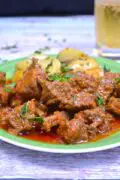
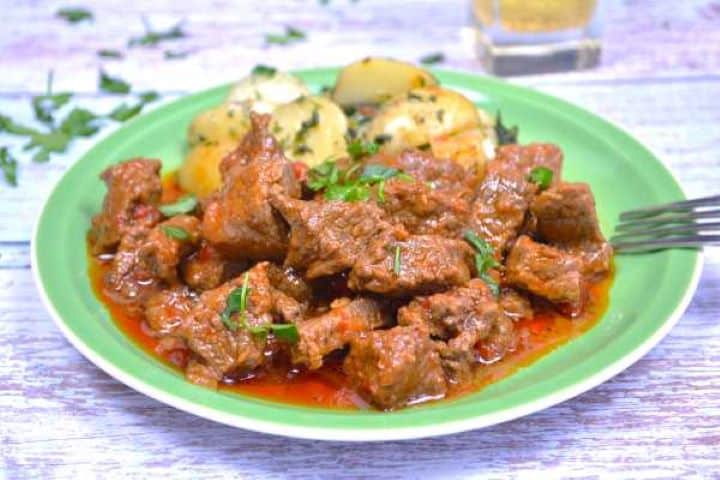
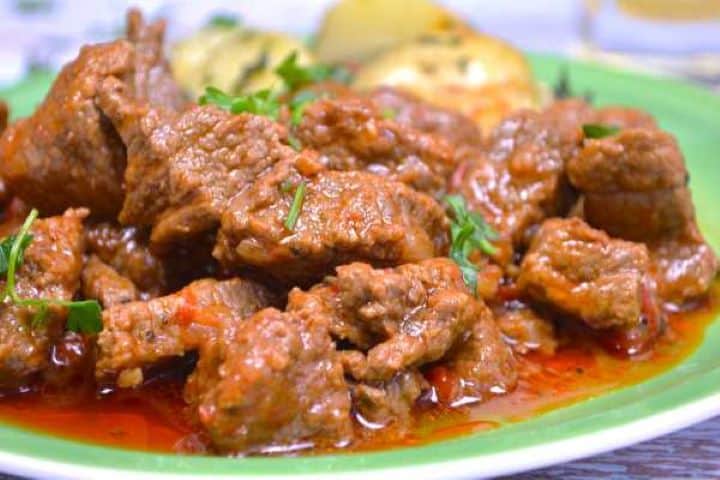
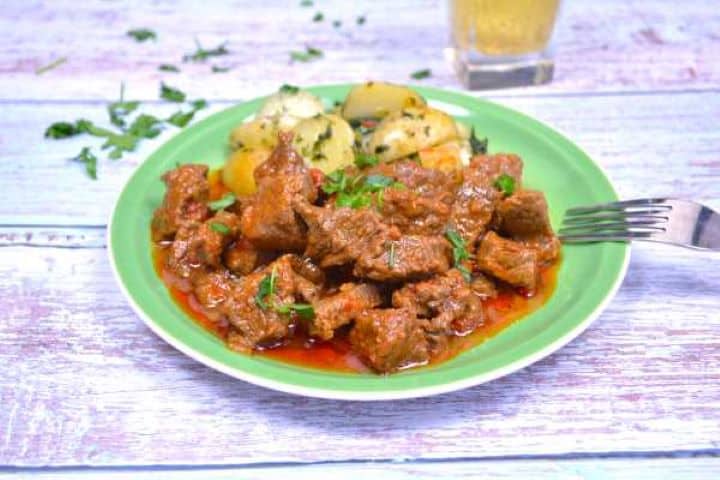
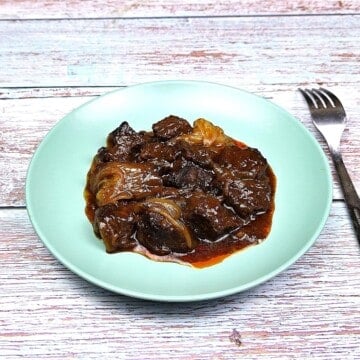
There is nothing quite as comforting as a big pot of authentic Hungarian beef paprikash gently simmering away on the stove. With succulent beef cubes slow-braised until spoon-tender in a velvety, deep red sauce of caramelized onions, garlic, and sweet Hungarian paprika, this recipe is traditional comfort food at its very best. The meat cooks low and slow until it practically melts in your mouth, soaking up all the smoky, sweet, and savory richness of the stew.
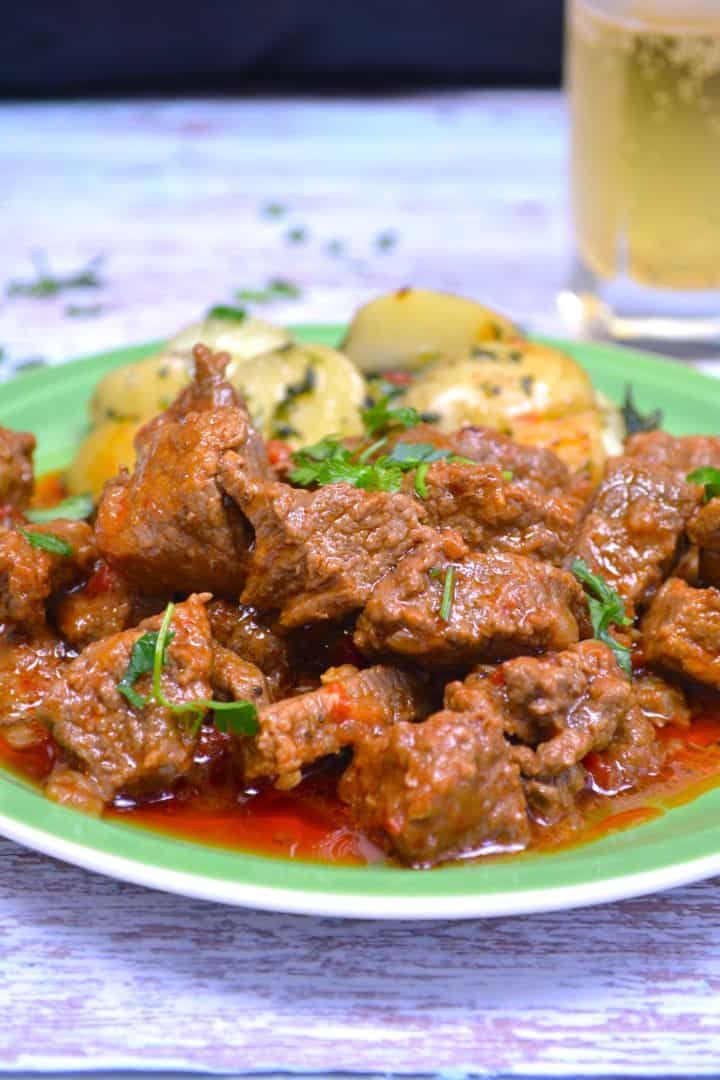
Growing up with traditional Transylvanian and Hungarian cooking, slow-cooked stews like this were the absolute heart of our family kitchen. While many people around the world are most familiar with chicken paprikash, this beef version delivers a deeper, more robust flavor that warms you from the inside out. Whether you love serving it with a classic rich red sauce or finishing it with a dollop of silky sour cream alongside tender nokedli (egg dumplings) or buttery parsley potatoes, this foolproof recipe brings authentic Central European home cooking straight to your dinner table.
Jump to:
- Paprikash vs. Pörkölt vs. Goulash: What's the Difference?
- Ingredients for Authentic Hungarian Beef Paprikash
- 3 Golden Rules for Tender, Melt-in-Your-Mouth Paprikash
- Equipment You'll Need
- How to Make Authentic Hungarian Beef Paprikash (Step-by-Step)
- What to Serve with Hungarian Beef Paprikash
- Storage, Reheating & Freezing Tips
- Frequently Asked Questions
- More Authentic Hungarian & Cozy Stew Recipes to Try
- Stay Connected & Share Your Kitchen Creations!
- Authentic Hungarian Beef Paprikash
Paprikash vs. Pörkölt vs. Goulash: What's the Difference?
If you are new to Hungarian cuisine, the names for these traditional dishes often get mixed up outside Central Europe, but each one has its own distinct character:
- Hungarian Goulash (Gulyásleves): Authentically, real goulash is a hearty, rich soup, not a thick stew. It is simmered with cubed beef, root vegetables (carrots and parsnips), potatoes, and hand-pinched noodles (csipetke) in an aromatic paprika broth.
- Hungarian Beef Stew (Marhapörkölt): A thick, rich stew braised low and slow with a heavy ratio of caramelized onions, sweet paprika, and lard. It has no root vegetables and relies on the slow breakdown of collagen to create a concentrated, glossy red sauce (szaft).
- Hungarian Beef Paprikash (Marhapaprikás): Very similar in cooking foundation to pörkölt, but featuring a sauce highlighted by sweet paprika, sweet peppers, and often finished with a velvety swirl of sour cream (tejföl) to soften the richness.
If you love slow-cooked comfort foods like this, you will also love my authentic Hungarian Goulash Soup or my cozy Dutch Oven Beef Stew for classic weekend family dinners.
Ingredients for Authentic Hungarian Beef Paprikash
One of the best things about authentic Hungarian cooking is how humble, everyday ingredients transform into an intensely rich dish through proper technique. Here is what you will need, along with a few important notes:
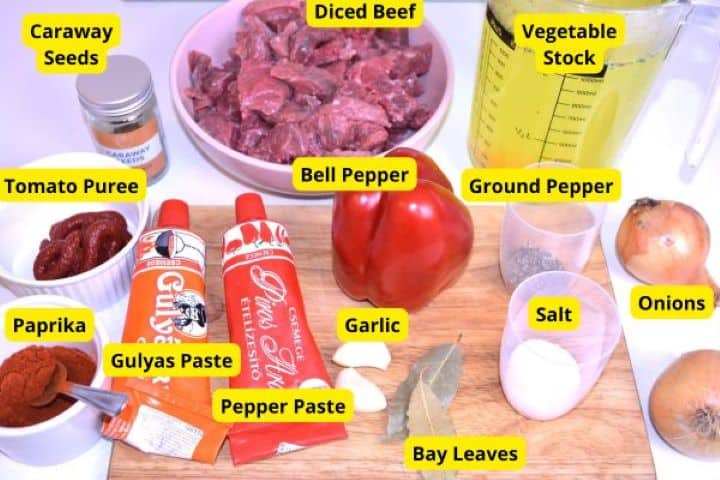
- Beef (700 g / 1.5 lbs): The best cuts for paprikash are well-marbled braising cuts such as beef chuck roast, beef shin (shank), or stewing steak, cut into uniform 1-inch (2.5 cm) cubes. Avoid overly lean cuts-collagen and a little natural fat break down slowly during simmering to make the meat meltingly tender while giving the sauce its signature glossy body (szaft).
- Yellow Onions (2 medium): Finely chopped. Onions form the foundation of every traditional Hungarian stew. As they cook down low and slow, they melt completely into the liquid, thickening the sauce naturally without needing heavy cornstarch or thickeners.
- Cooking Fat (100 ml): Traditional Hungarian recipes call for pork lard (sertészsír) or duck lard, which delivers unmatched savory depth. If you prefer not to use lard, a neutral vegetable oil like sunflower oil works perfectly.
- Sweet Hungarian Paprika (3 teaspoons / 1 tablespoon): The star spice of the entire dish. Use genuine sweet Hungarian paprika (Édesnemes) for its vibrant ruby color and warm, fruity aroma. Avoid generic supermarket paprika or smoked Spanish pimentón, which will overpower the authentic flavor profile.
- Red Bell Pepper (1 medium): Diced small. Simmered alongside the onions, sweet pepper adds subtle sweetness and authentic Central European body to the sauce.
- Garlic (2 cloves): Finely minced or pressed to infuse the base with gentle warmth.
- Hungarian Seasoning Pastes (Optional but recommended): 1 teaspoon of Goulash Paste (Gulyáskrém) and 1 teaspoon of Sweet Red Pepper Paste (Piros Arany or Édes Anna). These traditional pantry staples elevate the stew with concentrated umami. If you cannot find them in your local European market, simply add an extra spoonful of tomato puree and a pinch of sweet paprika.
- Tomato Puree (2 tablespoons): Adds a touch of acidity to balance the richness of the beef and paprika.
- Spices & Aromatics: 1 teaspoon of whole caraway seeds (köménymag-essential for authentic Hungarian aroma), 2 dried bay leaves, sea salt, and freshly cracked black pepper.
- Liquid (500 ml / 2 cups): Vegetable stock, beef broth, or hot water. Add just enough liquid to barely cover the meat; this is a rich, thick stew, not a watery soup.
- Sour Cream (Tejföl, optional for serving): If you prefer a creamy beef paprikash, keep 2-3 tablespoons of full-fat sour cream on hand to stir in right at the end.
3 Golden Rules for Tender, Melt-in-Your-Mouth Paprikash
Before turning on the stove, keep these three authentic cooking secrets in mind:
- Let the Onions Melt, Don't Brown Them: The secret to a thick, glossy sauce (szaft) without adding flour or starch is the onions. Cook them gently until translucent and soft. As the stew simmers for over an hour, they completely dissolve into the braising liquid to create natural body.
- Never Burn the Paprika: Genuine Hungarian paprika contains natural sugars that turn bitter if exposed to direct, scorching heat. Always reduce the heat or pull the pot off the flame for a few seconds before stirring in the paprika, coating the meat and vegetables before adding any liquid.
- Don't Drown the Stew: This is a braise, not a soup. Add just enough warm stock or water to barely cover the beef. The beef and onions release their own flavorful juices as they cook, so keeping the liquid modest guarantees an intensely rich, concentrated sauce.
Equipment You'll Need
- Heavy-Bottomed Dutch Oven or Cast Iron Braiser: Cast iron distributes heat evenly, preventing the bottom from scorching during the slow simmer.
- Wooden Spoon: Ideal for stirring the bottom of the pot to release all the caramelized bits (fond).
- Sharp Chef's Knife & Cutting Board: For trimming and dicing the beef into uniform cubes so they cook evenly.
How to Make Authentic Hungarian Beef Paprikash (Step-by-Step)
If you are a visual learner, you can watch the complete recipe video below before you begin. Follow along with me in my kitchen as I show you the exact timing, how the onions should look when softened, and how that gorgeous ruby-red sauce thickens naturally to a rich, glossy finish.
1: Prep the Ingredients
- Trim any excessive gristle or tough silver skin from the beef, then cut the meat into uniform 1-inch (2.5 cm) cubes so they cook at the exact same rate.
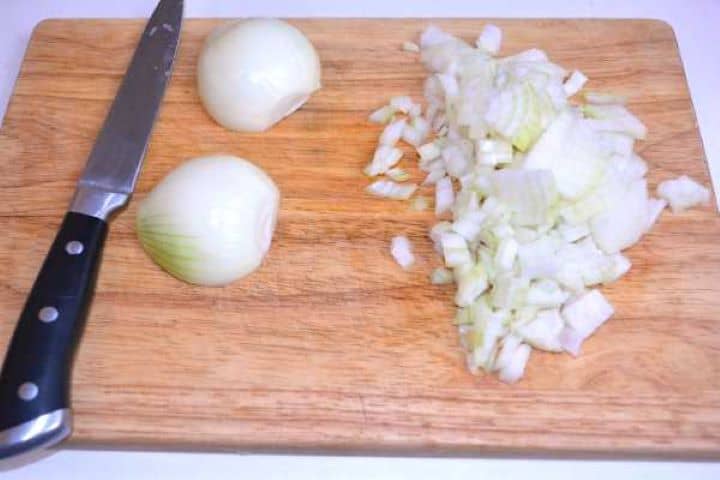
- Finely dice the yellow onions-chopping them finely ensures they dissolve completely during the long braise.
- Core and dice the red bell pepper into small cubes, and finely mince or press the garlic cloves.
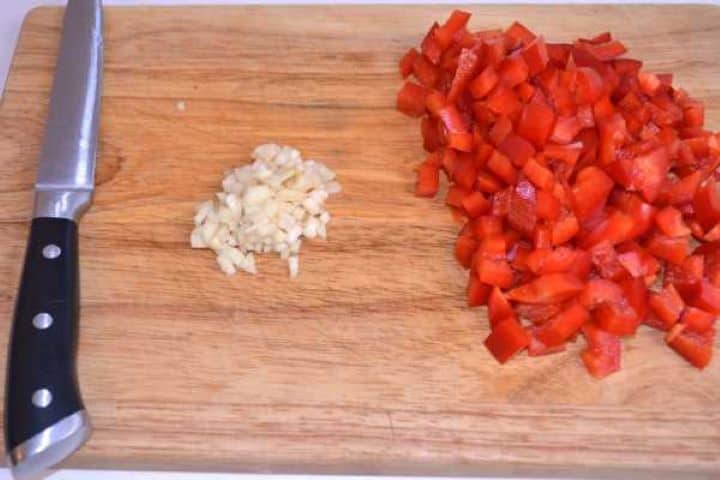
2: Build the Aromatic Base
- Place your Dutch oven or heavy cast-iron braiser over medium heat and melt the lard (or heat the sunflower oil).
- Add the finely chopped onions and sauté gently for 2 to 3 minutes until soft and translucent, making sure not to brown them.
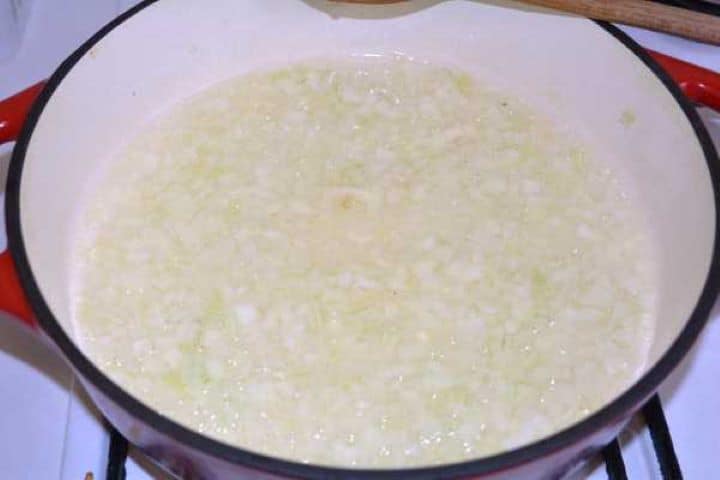
- Stir in the diced bell pepper, minced garlic, and 1 teaspoon of sea salt.
- Continue cooking for another 3 to 4 minutes until the vegetables soften and release their sweet aroma.
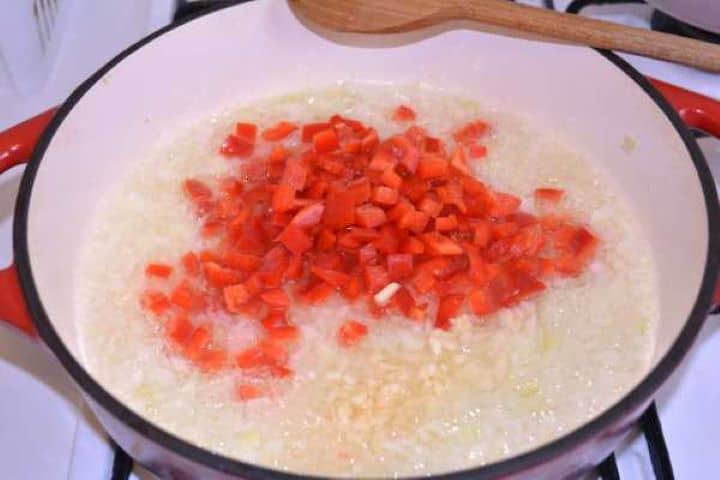
3: Add Aromatics and Brown the Beef
- Stir in half a teaspoon of freshly cracked black pepper, 1 teaspoon of caraway seeds, and the 2 bay leaves (crush them slightly in your fingers to release their essential oils).
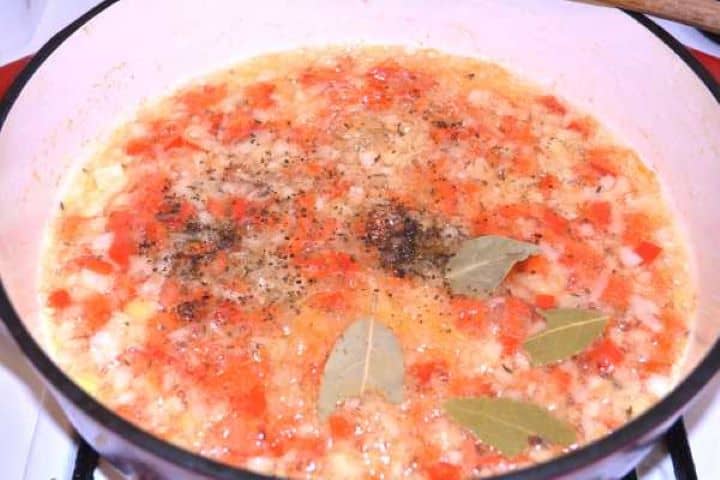
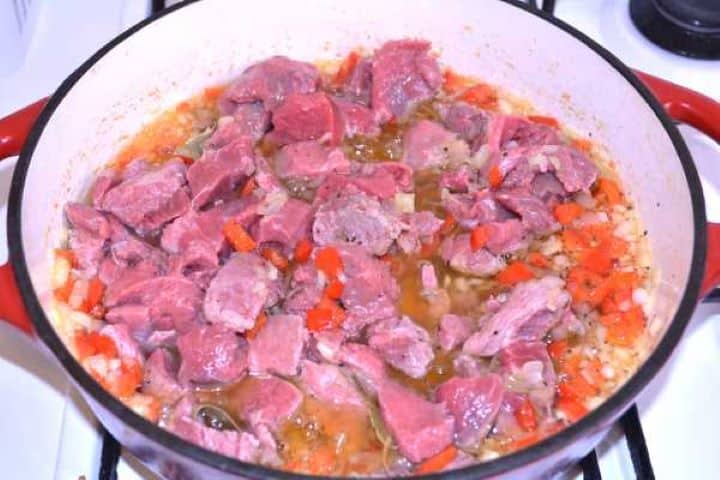
- Add the cubed beef into the pot. Turn the heat up slightly and sauté the beef for about 5 minutes, stirring occasionally.
- The meat will change color and release its natural juices, mingling with the softened onions and peppers.
4: Bloom the Paprika and Seasonings
- Reduce the heat to low (or slide the pan off the burner for 30 seconds to prevent burning the spices).
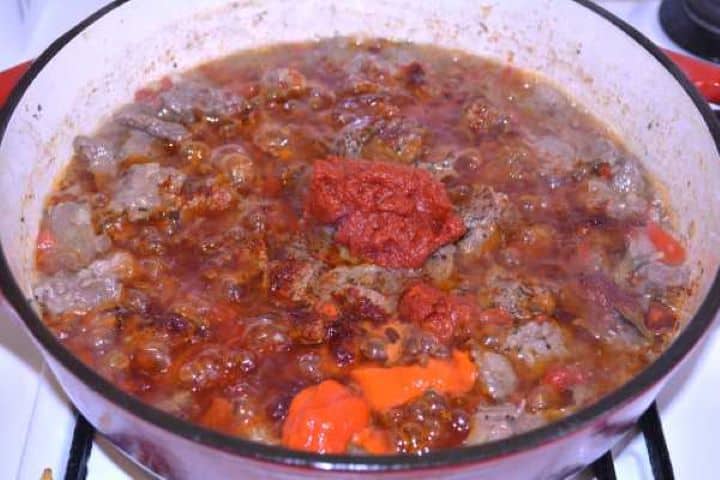
- Stir in 2 tablespoons of tomato puree, 1 teaspoon of goulash paste (Gulyáskrém), 1 teaspoon of sweet pepper paste (Piros Arany), the remaining half-teaspoon of black pepper, another teaspoon of salt, and 3 teaspoons of sweet Hungarian paprika.
- Stir thoroughly with a wooden spoon for 30 seconds so every piece of beef is coated in the vibrant red paste.
5: Simmer Low and Slow
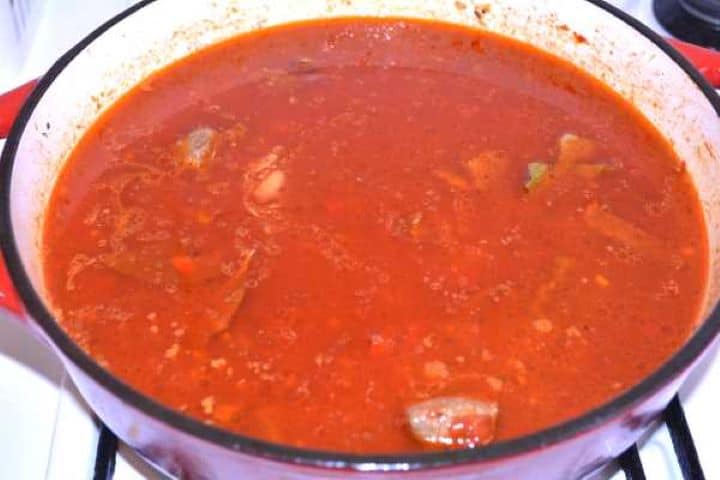
- Pour in 500 ml of warm vegetable stock, beef broth, or water-just enough to barely cover the meat. Bring the liquid to a gentle simmer, cover with a tight-fitting lid, and turn the heat down to low.
- Let the paprikash simmer gently for 1 hour and 30 minutes to 2 hours. Stir every 20 to 25 minutes to ensure nothing sticks to the bottom.
- If the liquid reduces too quickly before the beef is tender, splash in an extra 50 to 100 ml of hot water. The stew is ready when the beef is fork-tender and yields with zero resistance.
6: Choose Your Finish (Traditional vs. Creamy)
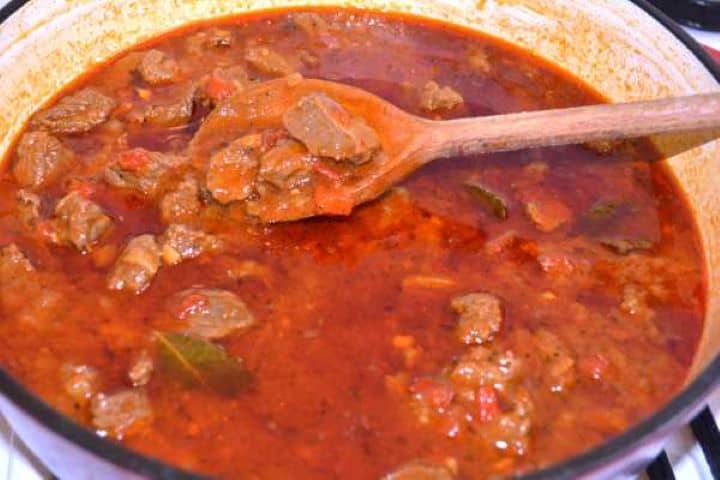
- Classic Style (Pörkölt / Szaft): Remove the lid for the final 10 minutes of cooking to let the sauce reduce into a thick, glossy, spoon-coating gravy. Discard the bay leaves, taste for seasoning, and serve immediately.
- Creamy Paprikash Style: In a small bowl, whisk 2 to 3 tablespoons of sour cream with a few tablespoons of the hot braising liquid to temper it (this prevents curdling). Stir the warm sour cream slurry back into the simmering pot and let it cook gently on low for another 2 minutes until silky and smooth.
What to Serve with Hungarian Beef Paprikash
In authentic Hungarian dining, a rich stew is always paired with a hearty side to soak up every drop of the luscious paprika sauce, balanced with crisp, tangy pickles to cut through the richness.
Traditional Side Dishes
- Homemade Nokedli (Hungarian Egg Dumplings / Spaetzle): The absolute gold standard pairing. These tender, bite-sized drop noodles catch the thick paprika sauce in every nook and cranny.
- Boiled Parsley Potatoes (Petrezselymes krumpli): Waxy young potatoes tossed in melted butter and abundant fresh flat-leaf parsley. A classic, light companion that lets the beef shine.
- Creamy Mashed Potatoes: Comforting and family-friendly, creating a delicious well for the rich sauce.
- Crusty Sourdough Bread: If you are keeping dinner simple, a thick slice of homemade potato bread is essential for wiping the plate clean (kitunkolni).
- Egg Noodles or Polenta (Mămăligă): Broad egg noodles or warm, buttery polenta also work beautifully.
The Essential Hungarian Touch: Pickles & Wine
A rich beef stew needs acidity to balance the savory depth of the braised beef and onions:
- Tangy Pickles: Serve alongside homemade sun-pickled cucumbers (kovászos uborka), sweet-sour pickled gherkins, pickled baby bell peppers stuffed with cabbage (almapaprika), or marinated roasted red peppers.
- Wine Pairing: Complement the bold sweet paprika and beef with a medium-to-full-bodied Hungarian red wine, such as an earthy Egri Bikavér (Bull's Blood), Kékfrankos, or Kadarka.
Storage, Reheating & Freezing Tips
Like most slow-cooked stews, Hungarian beef paprikash tastes even better the next day after the flavors have had time to meld together in the refrigerator.
- Refrigerating: Let the stew cool completely to room temperature. Transfer to an airtight container and store in the refrigerator for up to 4 days.
- Reheating:
- Stovetop (Recommended): Reheat gently in a saucepan over low-to-medium heat. The sauce thickens considerably when chilled, so stir in a splash of water or broth (2 to 3 tablespoons) to restore its original silky consistency.
- Microwave: Reheat individual portions in 60-second intervals at medium power, stirring in between to ensure even heating without drying out the meat.
- Freezing: Beef paprikash freezes wonderfully for up to 3 months.
- Pro Tip for Freezing: If you plan to batch-cook and freeze portions, freeze the stew before adding sour cream. Dairy can separate and become grainy once thawed. Simply thaw the stew overnight in the refrigerator, reheat on the stove, and stir in your sour cream slurry right before serving.
Frequently Asked Questions
The best cuts are well-marbled braising cuts with plenty of connective tissue, such as beef chuck roast, beef shin (shank), or stewing steak. Avoid lean cuts like round steak or sirloin; they dry out quickly. As chuck or shank simmers slowly, the natural collagen melts down into gelatin, making the beef fork-tender while giving the sauce a rich, glossy body.
If the beef is tough, it simply needs more time to simmer. Stewing cuts require slow, steady heat for the muscle fibers to relax and the collagen to melt. Keep the heat on low, ensure there is enough braising liquid in the pot so the meat doesn't dry out, cover with a tight lid, and let it simmer for another 20 to 30 minutes until tender.
Yes. Sauté the onions, peppers, and garlic in a skillet first, add the beef to brown slightly, and stir in the spices off the heat. Transfer everything to your slow cooker, pour in 350 ml (about 1.5 cups) of broth-use slightly less liquid than the stovetop version because slow cookers trap moisture-and cook on LOW for 7 to 8 hours or HIGH for 4 to 5 hours. If adding sour cream, stir it in during the final 15 minutes.
Yes. Use the Sauté setting to soften the onions, peppers, and garlic in lard, then brown the beef. Turn off the heat, stir in the paprika, tomato paste, pastes, and seasonings, then add 350 ml of broth and stir well, scraping up any browned bits from the bottom of the pot. Secure the lid and cook on High Pressure for 35 minutes, followed by a 15-minute natural pressure release.
Do not use smoked Spanish paprika (pimentón); its intense smoky aroma will overpower the delicate, sweet onion-and-beef flavor profile. Regular generic supermarket paprika can be used in a pinch, but it often lacks vibrancy and flavor. For authentic taste, use genuine sweet Hungarian paprika (Édesnemes).
Always temper the sour cream before adding it to the pot. Spoon full-fat sour cream into a small bowl, whisk in 2 to 3 tablespoons of hot broth from the simmering stew until warm and completely smooth, then stir the mixture back into the pot over low heat. Avoid boiling the stew once dairy is added.
More Authentic Hungarian & Cozy Stew Recipes to Try
If you love the rich, comforting flavors of Central European cooking, explore more of my favorite traditional stews and paprikash recipes from the kitchen:
Authentic Hungarian Paprikash & Goulash
- Hungarian Mushroom Paprikash: A luscious vegetarian version made with fresh mushrooms, sweet paprika, and silky sour cream.
- Traditional Turkey Paprikash: Tender, lean turkey simmered low and slow in an aromatic paprika gravy-a quick weeknight favorite.
- Pork and Sauerkraut Goulash (Székelygulyás): A classic Transylvanian stew featuring succulent pork cubes, tangy fermented sauerkraut, and a generous dollop of sour cream.
- Hungarian Hunter's Stew: Deep, earthy, and packed with wild forest flavors, root vegetables, and braised meat.
Hearty Beef & Comfort Food Favorites
- Classic Homemade Beef Stroganoff: Tender strips of beef and mushrooms coated in a rich, tangy sour cream and Dijon mustard sauce.
- Traditional Transylvanian Pork Stew: Spoon-tender pork braised with sweet peppers, onions, and garlic.
Stay Connected & Share Your Kitchen Creations!
We love seeing our traditional family recipes come to life in your home! If you made this Hungarian beef paprikash, please consider leaving a 5-star rating and a comment in the recipe card below-your feedback means the world to us and helps other home cooks discover authentic Hungarian food.
- Pin for Later: Save this recipe to your favorite dinner or comfort food board on Pinterest so you always have it ready for cozy weekend cooking.
- Watch Us Cook: Subscribe to our YouTube channel to step inside our kitchen, see the full cooking process, and learn more traditional Transylvanian and Hungarian recipes step-by-step.
- Tag Your Plate: Did you make yours with classic egg dumplings or creamy mashed potatoes? Snap a photo and tag us on Instagram or Facebook-we'd love to see and share your delicious results!
Authentic Hungarian Beef Paprikash
Equipment
- 1 heavy-bottomed Dutch oven or cast iron braiser
- 1 chef's knife & cutting board
- 1 wooden spoon
Ingredients
- 700 g beef chuck cut into 2.5 cm / 1-inch cubes
- 2 pieces onions medium-size, yellow, finely diced
- 1 piece bell pepper red, diced small
- 2 cloves garlic finely minced or pressed
- 100 ml sunflower oil or pork lard, duck fat
- 3 teaspoon paprika Hungarian sweet, approx. 1 tablespoon / Édesnemes
- 2 tablespoon tomato puree tomato paste
- 1 teaspoon goulash paste Gulyáskrém, optional
- 1 teaspoon red pepper paste Piros Arany, optional
- 1 teaspoon carraway seeds whole
- 2 pieces bay leaves dried
- 2 teaspoon sea salt fine, adjust to taste
- 1.5 teaspoon ground pepper freshly ground, divided
- 500 ml vegetable stock beef broth, or hot water
- 3 tablespoon full-fat sour cream optional, for creamy finish
Instructions
- Prep the meat and vegetables: Cut the beef into uniform 1-inch (2.5 cm) cubes. Finely chop the onions, dice the red bell pepper, and mince the garlic cloves.
- Sauté the aromatics: Melt the lard (or heat the sunflower oil) in a Dutch oven or cast iron braiser over medium heat. Add the onions and sauté gently for 2-3 minutes until soft and translucent (do not brown).
- Add peppers and garlic: Stir in the diced bell pepper, minced garlic, and 1 teaspoon of sea salt. Sauté for another 3-4 minutes until softened and fragrant.
- Brown the beef: Stir in half a teaspoon of black pepper, caraway seeds, and bay leaves. Add the cubed beef and sauté for about 5 minutes, stirring occasionally until the meat changes color and releases its natural juices.
- Bloom the paprika: Reduce the heat to low (or slide the pot off the heat briefly). Stir in the tomato paste, goulash paste, red pepper paste, remaining salt and black pepper, and the sweet Hungarian paprika. Stir vigorously for 30 seconds to coat every piece of beef in the fragrant spice paste.
- Simmer low and slow: Pour in the broth or water (just enough to barely cover the meat). Bring to a simmer, cover with a tight-fitting lid, and reduce heat to low. Simmer for 1 hour and 30 minutes to 1 hour and 45 minutes, stirring every 20 minutes to prevent sticking. If the liquid reduces too quickly, add 50-100 ml of hot water.
- Finish and serve: The stew is ready when the beef is spoon-tender and the sauce has reduced into a thick, glossy gravy. Discard the bay leaves. - For a creamy finish: Whisk 3 tablespoons of sour cream with a ladle of hot cooking liquid in a small bowl until smooth, then stir back into the simmering pot over low heat for 2 minutes.
- Plating: Serve hot over homemade nokedli (spaetzle), boiled parsley potatoes, or mashed potatoes, accompanied by traditional pickled cucumbers.
Video
Notes
- Cooking Fat: For genuine Hungarian depth, use authentic pork lard (sertészsír) or duck fat. Sunflower oil is the best neutral alternative.
- Paprika Care: Always pull the pot off scorching heat before stirring in dry Hungarian paprika; direct burning heat turns paprika bitter.
- Paste Substitutions: If you cannot source Hungarian Gulyáskrém or Piros Arany, simply add 1 extra tablespoon of tomato puree and an extra pinch of sweet paprika.
- Make-Ahead & Freezing: This stew tastes even richer the next day. It freezes well for up to 3 months (freeze without sour cream; add fresh sour cream when reheating).
Nutrition
This post contains affiliate links. Read the full disclosure here.


Jól néz ki a Marha pörkölt ! De mi magyarok kicsit másképp főzzük !
Több hagyma , nem piros bel paprika ,ha nem sárga paprika ( ami itt mexikói sárga chili paprika )és nem kell bele sűrített paradicsom és gulyás krém se !
Viszont vörös borral meg lehet kicsit vaditani 😉
This is so delicious. I have some cooking for my evening meal. Thankyoh for sharing.