

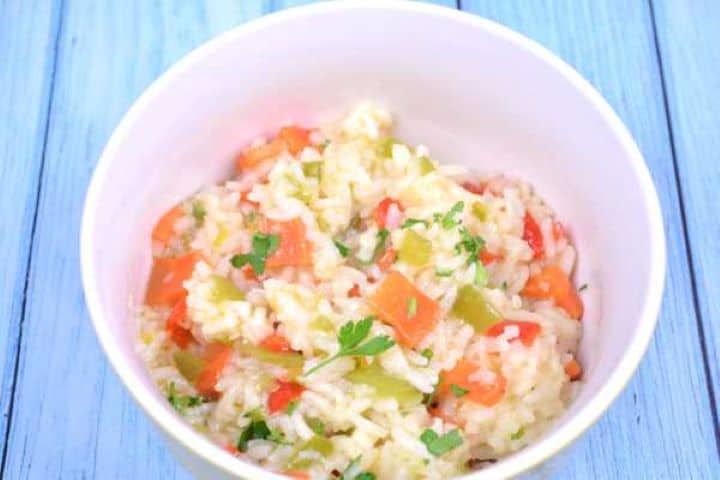
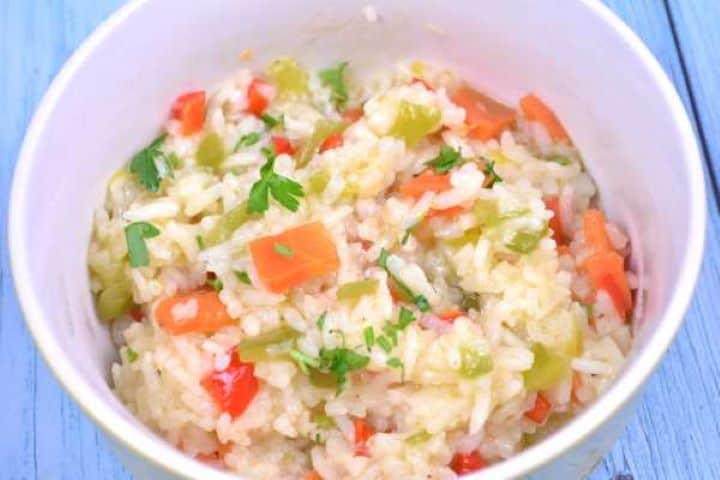
If you are looking for a foolproof, delicious side dish that pairs beautifully with almost any main course, this vegetable rice pilaf recipe is exactly what you need. Unlike standard boiled rice, which can sometimes turn out bland or sticky, a traditional pilaf is celebrated for its rich aroma and perfectly separated, fluffy grains.
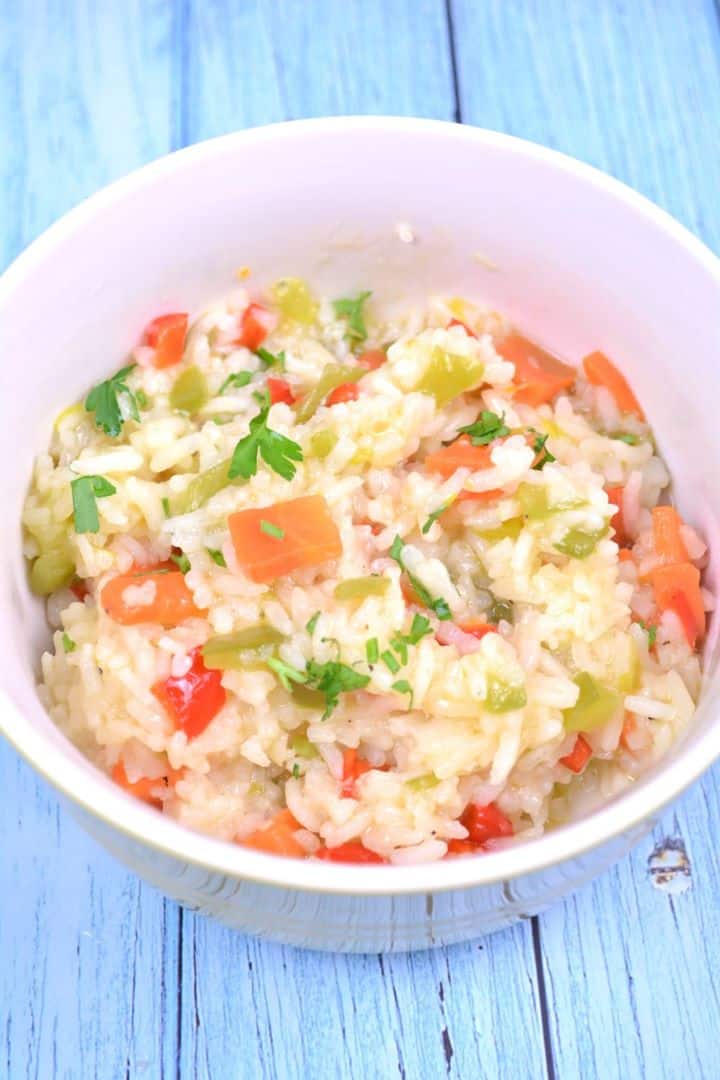
In my kitchen, I like to make this dish extra special by using sweet leeks instead of a standard yellow onion, along with vibrant red and green bell peppers. It's a colorful, nutritious, and comforting side dish that brings a wonderful depth of flavor to your dinner table using just a few simple pantry staples.
Jump to:
- The Ingredients That Make This Pilaf Special
- How to Make Vegetable Rice Pilaf (Step-by-Step)
- Recipe Variations & Substitutions
- What to Serve with Vegetable Rice Pilaf
- Storage & Reheating Instructions
- Top Tips for the Best Rice Pilaf
- Frequently Asked Questions (FAQs)
- More Easy Side Dishes to Try
- Join the Timea's Kitchen Community!
- Related
- Easy Vegetable Rice Pilaf Recipe (Fluffy & Flavorful)
What to replace it with:
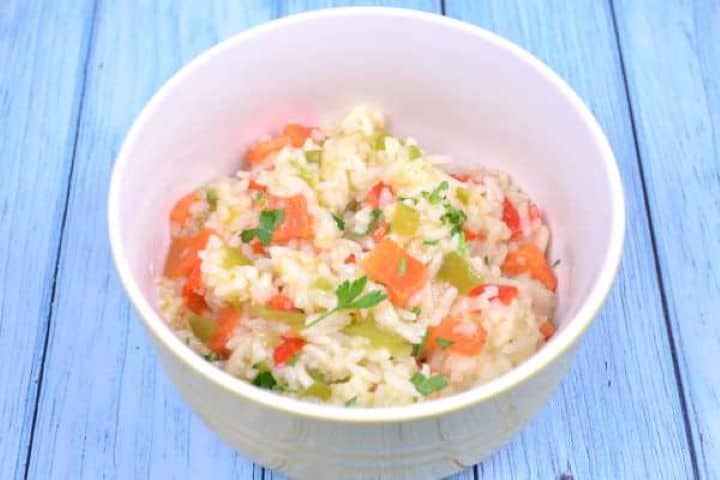
💡 What's in a Name? Depending on where you are in the world, you might know this comforting dish as pilau, pulao, or pilaf de orez. While it originated centuries ago in the Middle East, almost every culture has put its own unique spin on it. This modern version swaps standard onions for sweet leeks and fresh bell peppers for a bright, vibrant twist.
The Ingredients That Make This Pilaf Special
The beauty of this recipe lies in its simplicity. Instead of heavy spices, we let the natural sweetness of fresh vegetables shine.
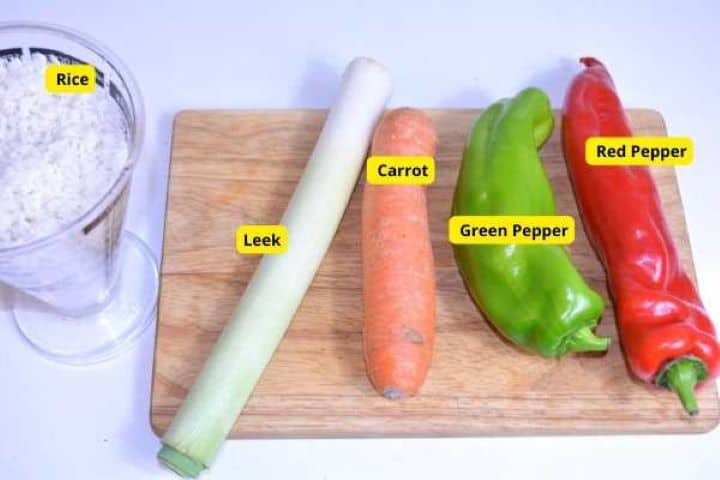
- Long-Grain White Rice: Standard long-grain white rice, Basmati, or Jasmine work best here. They have a lower starch content, which is the secret to getting those perfectly separate, fluffy grains instead of a sticky clump.
- Leek (The Secret Twist): One medium leek, thoroughly washed and thinly sliced (white and light green parts only). Using leeks instead of traditional yellow onions gives this pilaf a gentle, gourmet sweetness that completely elevates the dish.
- Red and Green Bell Peppers: One small red and one small green pepper, finely diced. They provide a beautiful color contrast and inject a bright, fresh flavor profile into every bite.
- Carrot: One medium carrot, peeled and diced into small cubes. It adds a lovely crunch, natural sweetness, and a brilliant pop of orange.
- Vegetable Stock or Water: You will need a strict 1:2 ratio of rice to liquid (for example, 1 cup of rice to 2 cups of liquid). High-quality vegetable stock adds an extra layer of savory depth while keeping the dish completely vegan, but filtered water works wonderfully too.
- Sunflower Oil: Three tablespoons of neutral oil to properly coat the rice grains and perfectly sauté your aromatics without altering their natural flavors.
- Sea Salt & Black Pepper: Simple seasonings used to draw out the natural sweetness of the leeks and peppers.
How to Make Vegetable Rice Pilaf (Step-by-Step)
Making this vibrant vegetable rice pilaf is incredibly simple and requires just one pot, making cleanup a breeze. While the written steps below cover all the details, I highly recommend watching my step-by-step video recipe before you start. Seeing the exact vegetable sizes and the texture of the toasted rice will help you get restaurant-quality results on your very first try!
Step 1: Prep the Vegetables and Rinse the Rice
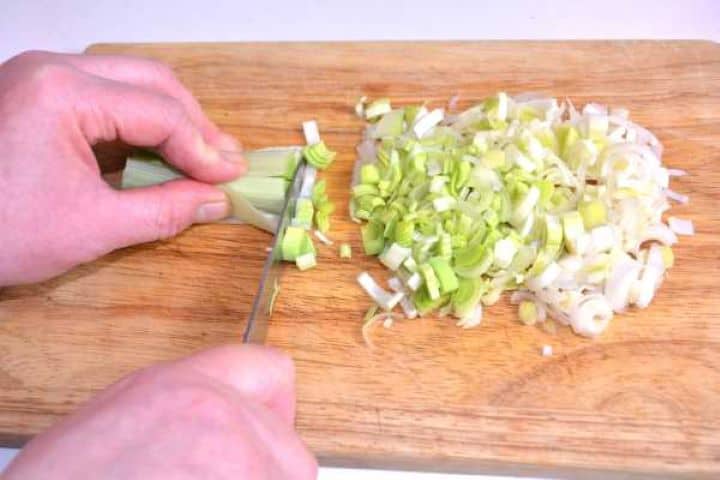
Start by washing the leek thoroughly to remove any hidden dirt between the leaves. Cut it down the middle lengthwise and slice it thinly.
Next, core your red and green bell peppers and cut them into small, 1-centimeter cubes.
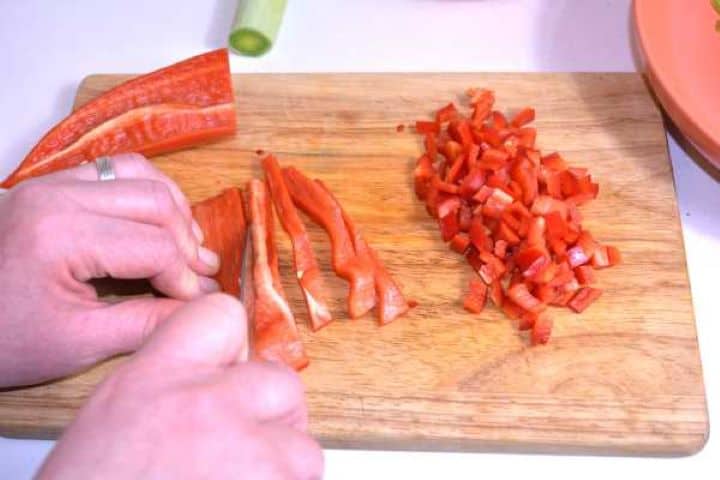
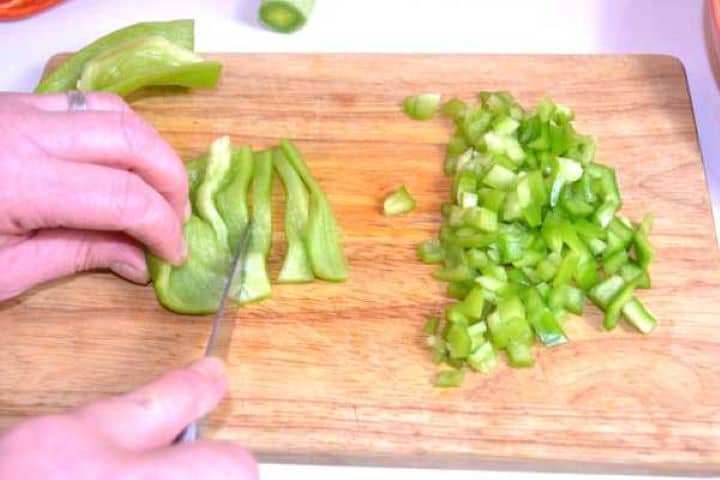
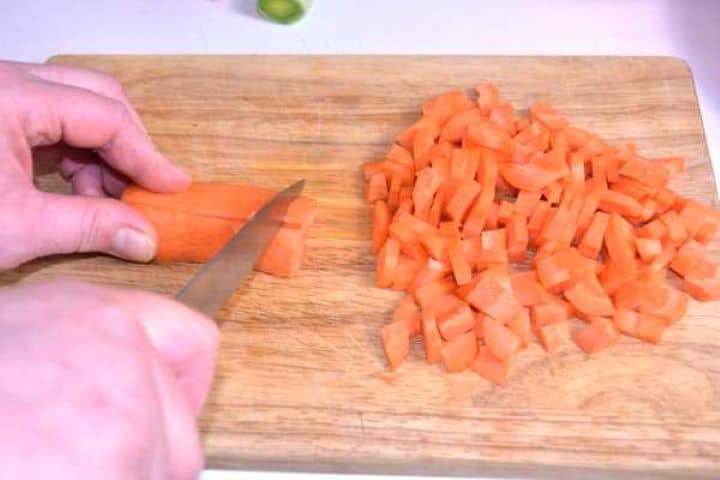
Peel your carrot, quarter it lengthwise, and dice it to the same size as the peppers so everything cooks evenly.
Finally, place your long-grain white rice in a fine-mesh strainer and rinse it under cold running water for about a minute, agitating the grains with your fingers until the water runs completely clear. Let it drain thoroughly.
Step 2: Sauté the Sweet Leeks
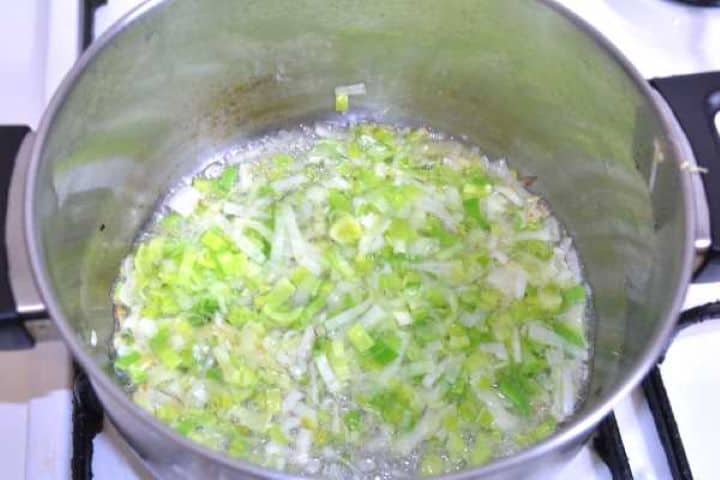
Heat three tablespoons of sunflower oil over medium heat in a large, deep skillet or saucepan with a tight-fitting lid. Add the sliced leeks and season with one teaspoon of sea salt. Sauté for about one minute, stirring frequently, until the leeks begin to soften slightly and release their sweet, mild aroma.
Step 3: Cook the Colorful Veggies
Stir the diced carrots into the pan with the leeks, cover with the lid, and let them sweat for one minute. Next, add the diced red and green bell peppers. Pop the lid back on and cook for 4 to 5 minutes, stirring occasionally, until the vegetables are slightly tender and beautifully vibrant.
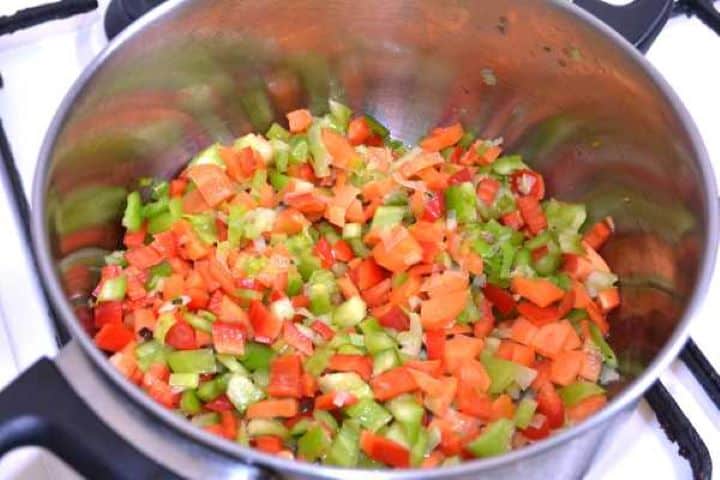
Step 4: Toast the Rice and Add Liquid
Add your thoroughly rinsed and drained rice directly into the pan with the vegetables. Stir continuously for about one minute. You want every single grain of rice to be coated in the warm sunflower oil and infused with the vegetable flavors-this toasting step prevents the rice from getting sticky.
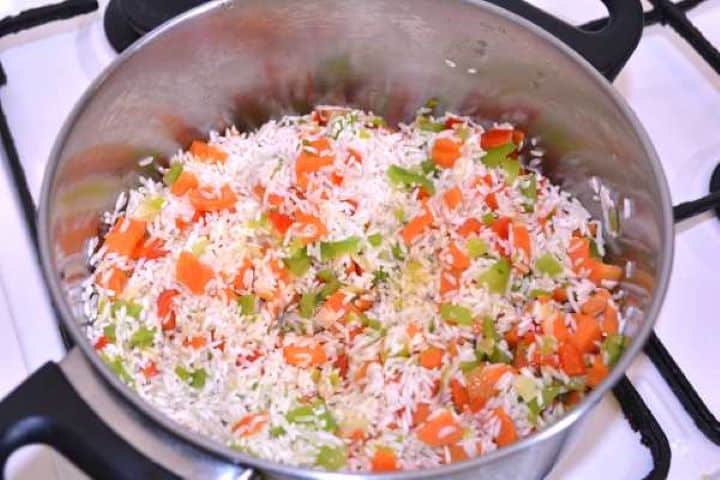
Season with another teaspoon of sea salt and a pinch of black pepper, then pour in your 2 cups of water or vegetable stock.
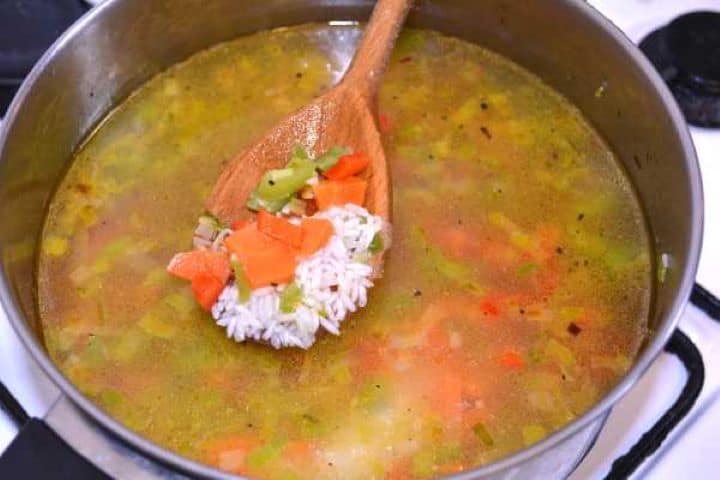
Step 5: Simmer, Rest, and Fluff
Bring the liquid to a rolling boil. As soon as it boils, give it one final stir, reduce the heat to medium-low, and cover tightly with the lid. Let it simmer undisturbed for 10 to 15 minutes (do not lift the lid!). Once the liquid is completely absorbed, turn off the heat.
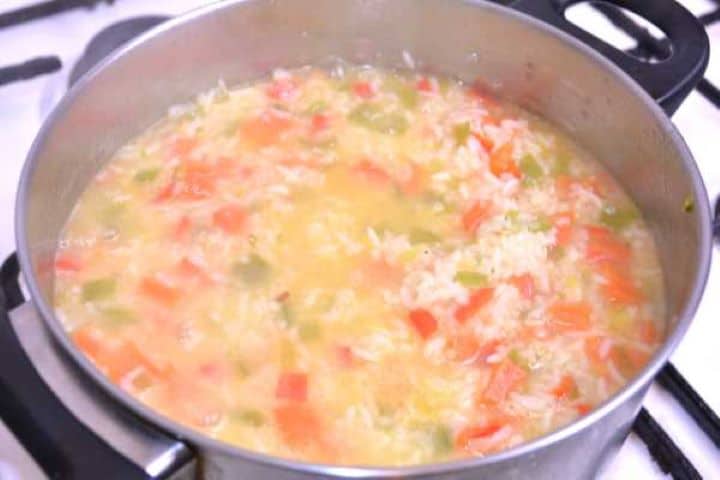
Leave the lid on and let the rice rest for 5 minutes. This crucial resting time allows the moisture to distribute evenly. Remove the lid, fluff the colorful pilaf gently with a fork, and serve hot!
Recipe Variations & Substitutions
This vegetable pilaf is highly adaptable based on what you have in your pantry or refrigerator:
- Switch Up the Grains: While long-grain white rice is classic, Basmati or Jasmine rice work beautifully and add a gorgeous natural aroma. If you prefer brown rice, keep in mind it requires more liquid (a 1:2.5 ratio) and about 40 to 45 minutes of simmering time.
- Add Extra Vegetables: Want to make it even more colorful? Stir in a half-cup of frozen green peas or sweet corn during the last 2 minutes of simmering.
- Boost the Protein: Turn this side dish into a complete vegetarian meal by tossing in a can of rinsed chickpeas or some cubed, pan-fried tofu right before serving.
- Spice it Up: This recipe keeps it clean and sweet using just leeks and peppers, but you can add a pinch of turmeric for a gorgeous golden color, or slide a single bay leaf into the liquid while it simmers for a subtle, earthy depth.
What to Serve with Vegetable Rice Pilaf
One of the best things about this vegetable rice pilaf is how incredibly versatile it is. Because the flavors from the sweet leeks and fresh bell peppers are mild yet savory, it can easily act as a vibrant side dish or a light, plant-based main course.
Here are some of the best ways to serve it:
- With Crispy Roasted Poultry: This fluffy pilaf makes the ultimate bedding for juicy chicken or duck. It pairs beautifully with a golden Air Fryer Whole Chicken or crispy Air Fryer Duck Legs, as the rice absorbs the delicious juices from the meat.
- Alongside Grilled Meats: Serve it next to grilled pork chops, beef skewers, or baked fish for a complete, restaurant-quality dinner.
- As a Hearty Vegetarian Main: You can easily turn this side dish into a filling, standalone meal. Toss in a can of drained chickpeas, some roasted tofu cubes, or top it with a sprinkle of crumbled feta cheese for a boost of protein.
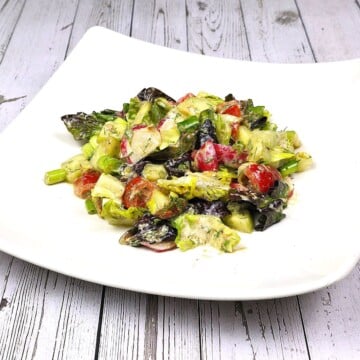
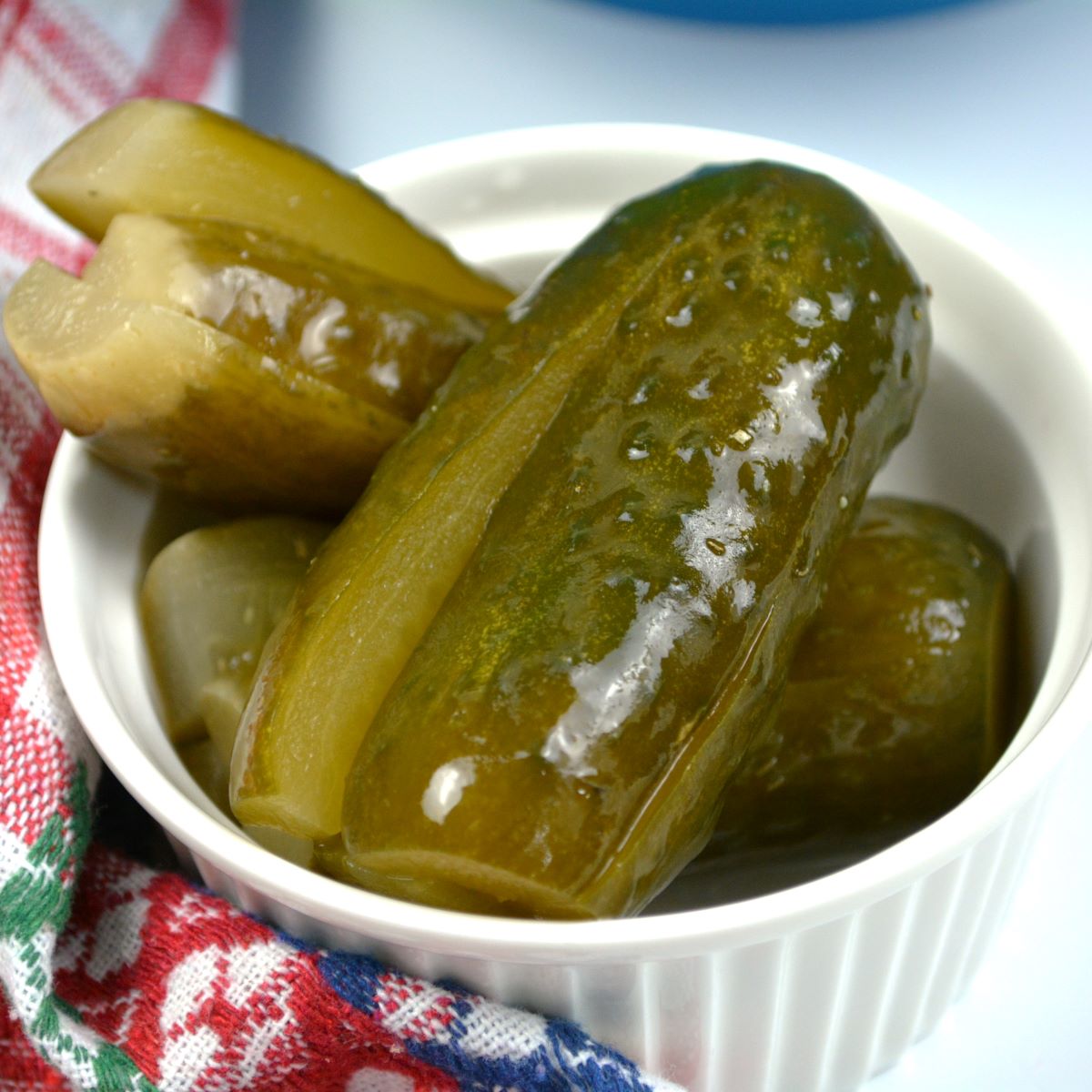
- With Traditional Pickles or Fresh Salads: To balance the warm, savory notes of the pilaf, serve it alongside a crisp, light garden salad dressed with lemon juice. In Central and Eastern European tradition, it also tastes absolutely incredible paired with refreshing pickled cucumbers or tomato salad.
- Meal Prep Friendly: This recipe holds up beautifully in the fridge, making it excellent for healthy weekly meal prep. Simply pair it with your favorite protein in a container, and you have a nutritious lunch ready to go.
Storage & Reheating Instructions
- How to Store: Let the rice cool completely to room temperature (but don't leave it out for more than an hour). Transfer it to an airtight container and store it in the refrigerator for up to 3 days.
- Can You Freeze Rice Pilaf? Yes! This dish freezes surprisingly well. Pack the cooled rice into a freezer-safe bag or container and freeze for up to 1 month. Thaw overnight in the fridge before reheating.
- The Secret to Reheating: Rice dries out easily in the microwave or pan. To restore its fluffy texture, add a splash of water or vegetable broth (about 1 tablespoon per cup of rice), cover it tightly, and heat gently. The moisture will recreate the steaming process and make it taste freshly cooked!
Top Tips for the Best Rice Pilaf
- Rinse Until Crystal Clear: Don't skip rinsing the rice! Rinsing washes away excess surface starch. If you leave that starch on the grains, they will turn into a sticky, gummy mass instead of fluffy, individual pieces.
- Keep the Lid On (No Peeking!): It is incredibly tempting to lift the lid to check on the rice, but every time you do, crucial steam escapes. This lowers the temperature inside the pot and can leave you with undercooked, crunchy rice.
- The 5-Minute Rest is Mandatory: Turning off the heat and letting the pot sit undisturbed with the lid on for 5 to 10 minutes is where the magic happens. The remaining steam distributes evenly, ensuring the top layer of rice is just as tender as the bottom.
- Use the Right Pot: Choose a heavy-bottomed saucepan or skillet. Thin pots distribute heat unevenly, which can scorch the bottom of your rice before the top is even cooked.
Frequently Asked Questions (FAQs)
Mushy rice is usually caused by two things: skipping the rinsing step or adding too much liquid. Rinsing the long-grain white rice removes excess surface starch, which is the main culprit behind gummy rice. Also, ensure you stick to the strict 1:2 ratio of rice to liquid and keep the lid tightly sealed so the rice steams properly without losing moisture.
Absolutely! Both Basmati and Jasmine are long-grain rice varieties, meaning they have a lower starch content and will stay beautifully separate and fluffy. Because these varieties are quite aromatic, they actually add a wonderful layer of flavor to the pilaf. Just check the package instructions, as they sometimes cook a few minutes faster than standard white rice.
For standard long-grain white rice, the golden rule is a 1:2 ratio. For every 1 cup of dry rice, you will need exactly 2 cups of water or vegetable stock.
While you can skip the oil and sauté the leeks in a few tablespoons of water or broth, you will lose a bit of the traditional pilaf texture. Coating the dry rice grains in oil during the "toasting" phase creates a barrier that helps keep the grains separate and fluffy during cooking. If you prefer, you can swap the sunflower oil for a tablespoon of vegan butter or light olive oil.
Yes! This recipe is naturally 100% gluten-free, vegan, and vegetarian. Just ensure that if you are using store-bought vegetable stock, the label explicitly states it is certified gluten-free, as some brands use hidden wheat-based thickeners.
More Easy Side Dishes to Try
If you love simple, flavor-packed side dishes like this vegetable pilaf, be sure to check out these other reader-favorite recipes from the blog:
- Hungarian Parsley Potatoes: A classic, buttery European side dish that requires just a few ingredients and pairs perfectly with any protein.
- Marinated Roasted Red Peppers: Sweet, smoky, and tangy, these peppers make an incredible addition to your weekly meal prep.
- Green Beans in Tomato Sauce: A comforting, Mediterranean-style vegetable dish that is naturally vegan and full of rich flavor.
- Caramelized Onion Mashed Potatoes: Take your standard mashed potatoes to the next level with deep, sweet caramelized onions mixed right in.
Join the Timea's Kitchen Community!
If you made this vegetable rice pilaf, I would love to see how it turned out! Tag me on social media or follow along for daily recipe inspiration, cooking tips, and behind-the-scenes kitchen fun:
- Watch on YouTube: Subscribe for full step-by-step video tutorials where you can watch these recipes come to life and ask your cooking questions in the comments.
- Save on Pinterest: Pin this recipe to your favorite side dish boards so you can easily find it the next time you're planning dinner!
- Connect on Instagram & Facebook: Follow along for daily meal ideas, quick reels, and vibrant food photos. Let's start cooking together!
Related
Looking for other side dish recipes like this? Try these:




Easy Vegetable Rice Pilaf Recipe (Fluffy & Flavorful)
Equipment
- 1 Saucepan
Ingredients
- 1.5 cup rice long-grain, or Basmati / Jasmine
- 1 piece medium leek white and light green parts, thinly sliced
- 1 piece red pepper finely diced
- 1 piece green pepper finely diced
- 1 piece carrot peeled and diced small
- 3 cups water or vegetable stock
- 3 tablespoon sunflower oil or vegetable oil
- 2 teaspoon sea salt kosher, divided
- ½ teaspoon ground pepper freshly ground
Instructions
- Prep: Wash and thinly slice the leek. Core and dice the red and green bell peppers into 1-centimeter cubes. Peel and dice the carrot to the same size.
- Rinse: Place the rice in a fine-mesh strainer and rinse under cold running water for 1 minute until the water runs completely clear. Drain thoroughly.
- Sauté Aromatics: Heat 3 tablespoons of sunflower oil in a large saucepan over medium heat. Add the sliced leeks and 1 teaspoon of sea salt. Sauté for 1 minute until soft and fragrant.
- Cook Veggies: Stir in the diced carrots, cover with a lid, and let them sweat for 1 minute. Add the red and green bell peppers, cover again, and cook for 4 to 5 minutes, stirring occasionally.
- Toast Rice: Add the rinsed and drained rice to the pan. Stir continuously for 1 minute to coat every grain in the flavorful oil. Season with the remaining 1 teaspoon of sea salt and a pinch of black pepper.
- Simmer & Rest: Pour in 480 ml of water or vegetable stock. Bring to a boiling point, then reduce heat to medium-low, cover tightly with the lid, and simmer undisturbed for 10 to 15 minutes. Once the liquid is absorbed, turn off the heat and let the pot rest with the lid on for 5 minutes. Fluff gently with a fork and serve!
Video
Notes
- The Golden Ratio: Always maintain a strict 1:2 ratio of rice to liquid (e.g., 1 cup of rice to 2 cups of liquid). If you scale the recipe up or down using the plugin's serving adjuster, make sure your liquid amounts adjust accordingly.
- No-Peeking Rule: Resist the temptation to lift the lid while the rice is simmering. Lifting the lid lets out the trapped steam, dropping the internal temperature and leading to unevenly cooked or crunchy rice.
- Starch is the Enemy: If your rice often turns out sticky, it's likely due to surface starch. Rinsing the grains in a mesh strainer until the water runs 100% clear is the single most important step for a fluffy pilaf.
- Flavor Boost: While water works perfectly fine, using a low-sodium vegetable stock or adding a single bay leaf during the simmer step will give the pilaf a much richer, restaurant-quality flavor profile.
- Perfect Pairings: This side dish pairs beautifully with hearty mains. Try it alongside our Air Fryer Whole Chicken or Air Fryer Duck Legs-the fluffy rice is excellent for absorbing the savory pan juices!
Nutrition
This post contains affiliate links. Read the full disclosure here.

So delicious...