
When most people think of Central Eastern European and Transylvanian stews, their minds immediately go to deep red, paprika-heavy dishes like goulash or pörkölt. But this traditional Transylvanian pork stew with sour cream offers a completely different, beautifully rich flavor profile that relies on just a few simple, high-quality ingredients.
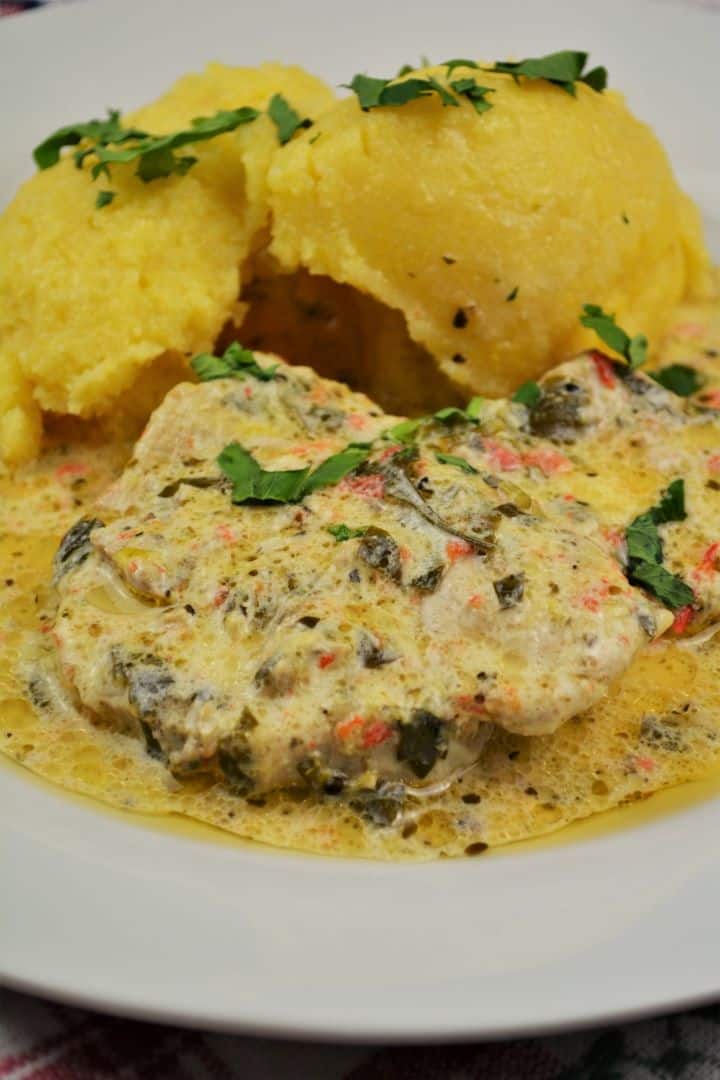
Instead of using powdered spices, the base of this creamy stew is built on the natural sweetness of fresh Kapia peppers and sautéed onions, creating a fragrant foundation for tender strips of pork. We finish the pan sauce with a generous stir of thick sour cream or crème fraîche, resulting in a velvety, comforting dish that feels like a warm hug in a bowl. It is a classic heritage recipe that proves authentic cooking doesn't have to be complicated to be incredibly delicious.
Jump to:
- Why You'll Love This Recipe
- Ingredients & Substitutions
- Preparing the Ingredients
- How to Make Creamy Pork Stew (Step-by-Step)
- Top Tips for Success
- What to Serve With It
- Storage and Reheating
- Frequently Asked Questions
- More Comforting Pork Recipes You'll Love
- Bring a Taste of Transylvania to Your Table
- Hungry for More Traditional Stews?
- Traditional Transylvanian Pork Stew with Sour Cream
Why You'll Love This Recipe
- Authentic Transylvanian Flavors: This is a genuine heritage dish straight from the family kitchen, offering a true taste of how we cook at home when we want a rich, creamy sauce without relying on heavy red paprika.
- Tender, Melt-in-Your-Mouth Meat: By cutting the pork into strips rather than large chunks, it cooks much faster than a traditional slow-braised stew while turning out incredibly soft and juicy.
- Weeknight-Friendly: The straightforward preparation means this comforting, slow-cooked-tasting stew easily comes together in under an hour.
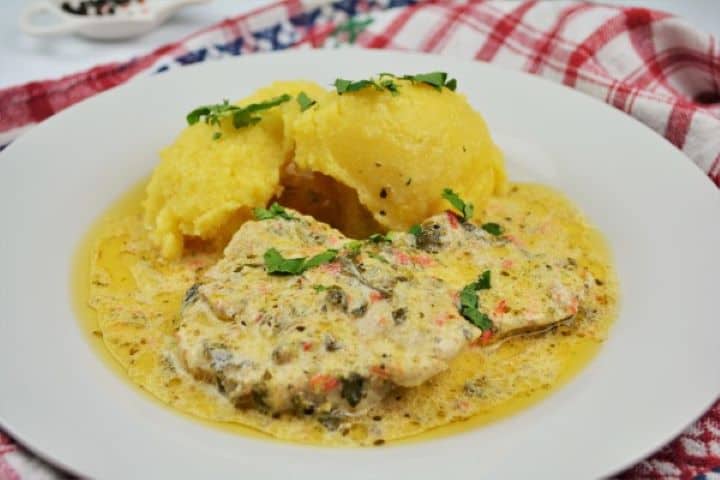
- The Ultimate Comfort Food: The luscious, sweet pepper and sour cream sauce is practically begging to be spooned over a bowl of hot, freshly made polenta or soaked up with a thick slice of crusty bread.
Ingredients & Substitutions
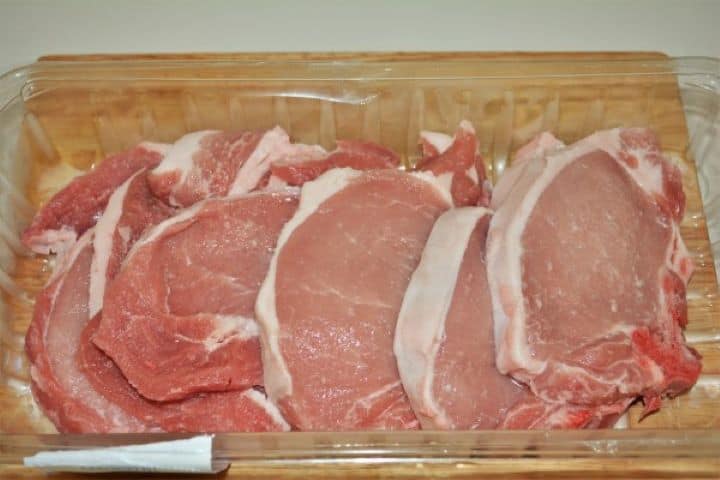
- Pork: I prefer using boneless pork shoulder or pork leg for this stew. These cuts have just enough natural marbling to stay beautifully tender and juicy without needing hours of braising. Slice the meat into thin strips (about the length of your little finger) rather than chunks. This traditional strip cut allows the meat to cook faster and absorb more of the creamy sauce.
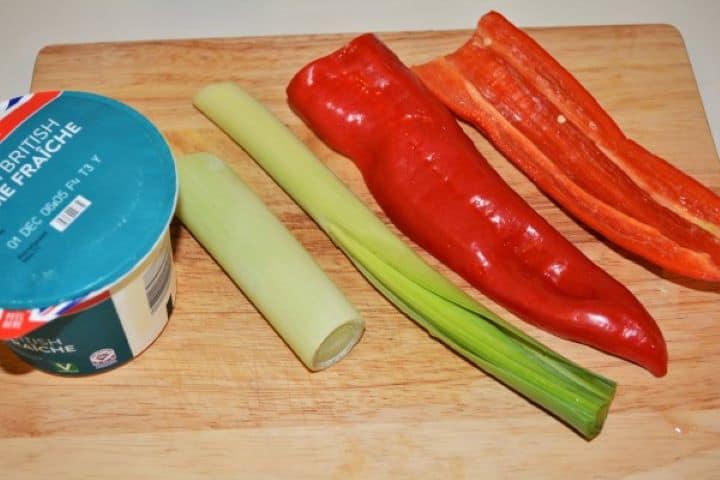
- Sweet Kapia Peppers: These long, pointed sweet red peppers are a staple in Central and Eastern European kitchens. They have a deep, natural sweetness and thinner skins than standard peppers, which melt perfectly into the stew base.
- Substitute: If you cannot find Kapia peppers locally, sweet pointed red peppers (Romano peppers) or standard red bell peppers are excellent alternatives.
- Leek: Instead of a traditional yellow onion, I use leek in this recipe. It provides a beautifully mild, sweet, and delicate onion flavor that perfectly complements the rich cream sauce without overpowering it.
- Crème Fraîche or Sour Cream: For that signature rich, velvety finish, you need a high-quality crème fraîche or a full-fat sour cream (what we call tejföl in Hungarian).
- Top tip: Avoid low-fat sour cream at all costs, as it will easily split or curdle when introduced to the hot stew.
- Vegetable Mix for Soups: To give the sauce a deep, savory background flavor without overpowering the delicate cream and sweet peppers, I use a traditional dried vegetable seasoning mix (such as Vegeta).
- Dried Marjoram: One teaspoon of dried marjoram adds a beautiful, authentic earthy flavor that pairs perfectly with pork. It is a classic herb in Transylvanian cooking that gives the savory broth an extra layer of depth.
- Fat: A splash of sunflower oil or traditional pork lard for sautéing the onions and searing the pork.
- Salt and Pepper: Simple sea salt and freshly ground black pepper are all you need here. Because we completely omit red paprika in this specific recipe, the simple seasoning lets the natural sweetness of the peppers and the richness of the cream truly shine.
- Fresh Parsley: A generous handful of finely chopped fresh parsley stirred in at the very end adds a bright, vibrant pop of color and a fresh, herbaceous note that perfectly cuts through the richness of the cream sauce.
Preparing the Ingredients
Before turning on the stove, it is always best to have everything chopped and ready to go. The preparation for this stew is very simple:
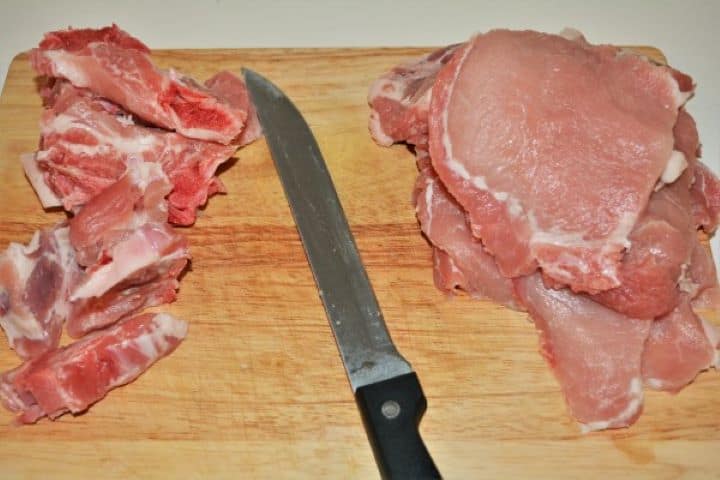
- The Pork: If you are using bone-in pork shoulder or leg cuts, carefully carve the meat away from the bones, but do not discard the bones-you will add them directly to the pot to build an incredibly rich, deeply flavored broth. Leave the meat itself in large, thick slices or chunks.
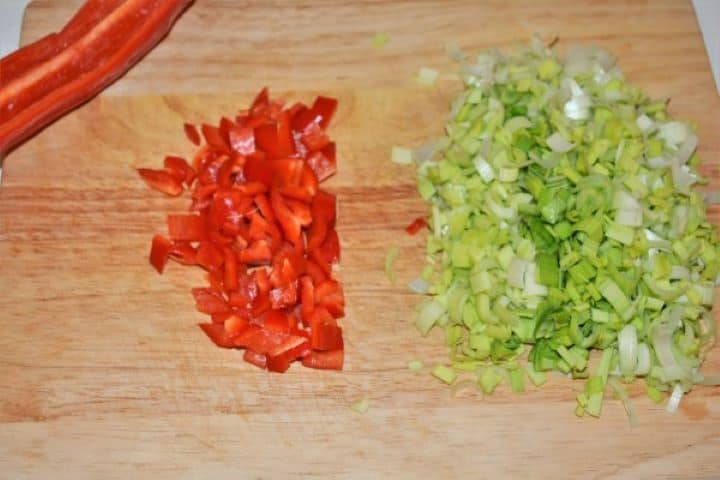
- The Vegetables: Wash the leek thoroughly to remove any dirt hiding between the layers, and slice it thinly. Wash the sweet Kapia peppers, remove the stems and seeds, and chop them into small, bite-sized pieces.
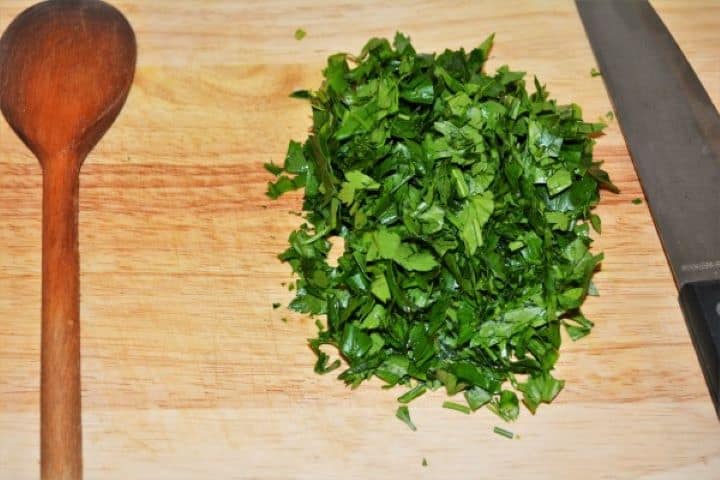
- The Herbs: Wash and finely chop the fresh parsley so it is standing by, ready to be tossed into the pan at the very end.
How to Make Creamy Pork Stew (Step-by-Step)
1. Sear the Pork and Bones
- Heat your sunflower oil (or pork lard, if keeping it strictly traditional) in a large, deep frying pan or Dutch oven over medium heat. Add the large chunks of pork along with the reserved bones directly to the pan.
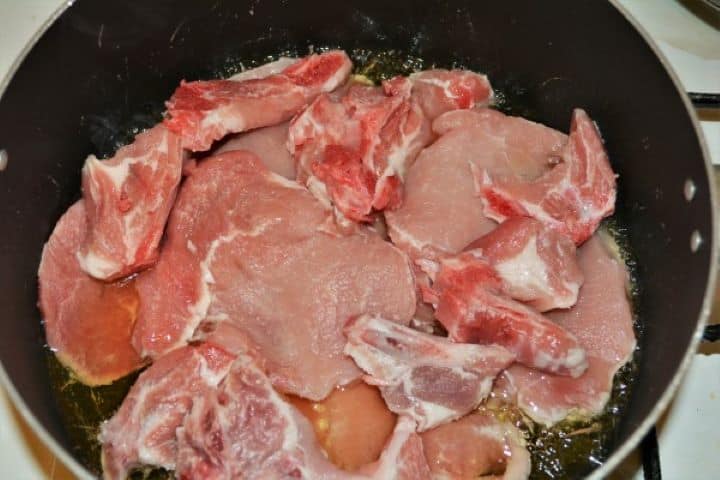
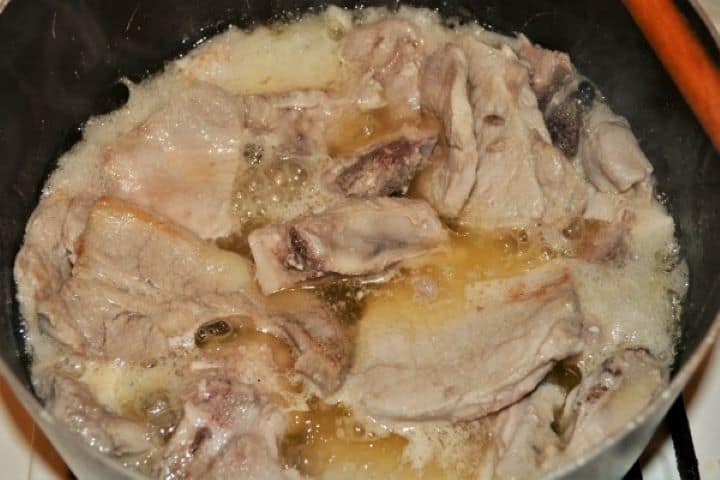
- Cook for about 5 to 8 minutes, stirring frequently, until the meat is completely sealed on the outside and has turned pale and opaque.
2. Add the Vegetables
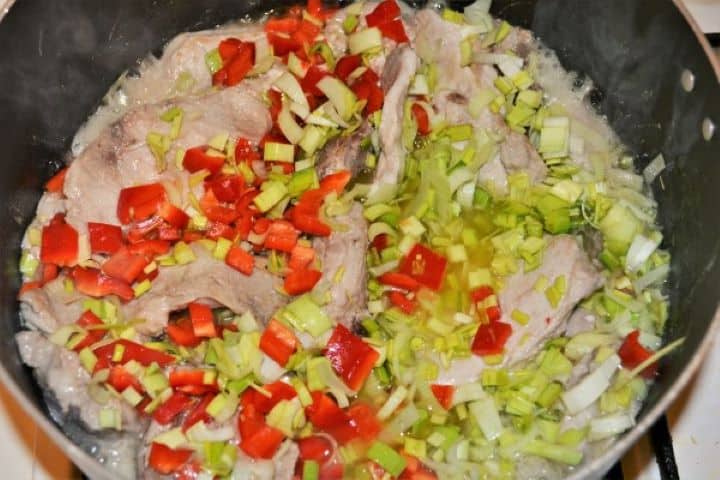
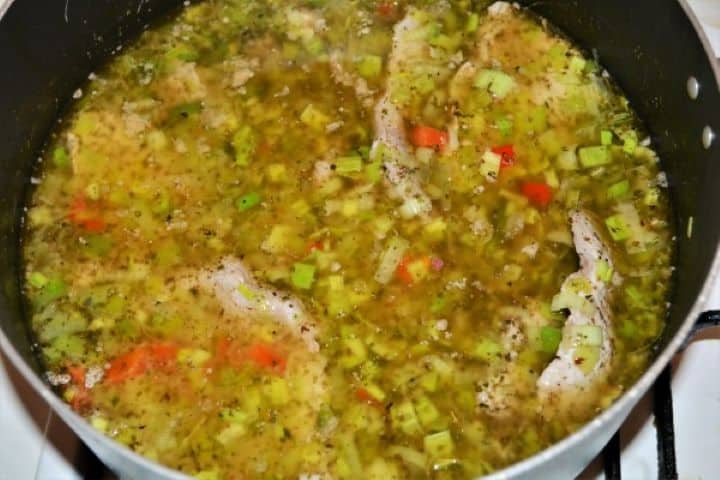
- Once the meat is seared, add the thinly sliced leek and the chopped sweet Kapia peppers into the pan with the pork. Toss everything together and cook for another 5 to 7 minutes. This allows the leek to become soft and fragrant, and the peppers to begin softening and releasing their natural sweetness into the meat juices.
3. Season and Simmer
- Sprinkle the sea salt, freshly ground black pepper, the vegetable mix for soups, and the dried marjoram over the meat and vegetables. Stir well to coat.
- Pour in just enough water so that the meat is almost completely covered (be careful not to add too much; you are making a stew, not a soup).
- Turn the heat down to low, cover the pan with a lid, and let it simmer gently for about 40 to 45 minutes. Stir occasionally, checking to ensure the liquid hasn't reduced too quickly.
4. Add the Creamy Finish
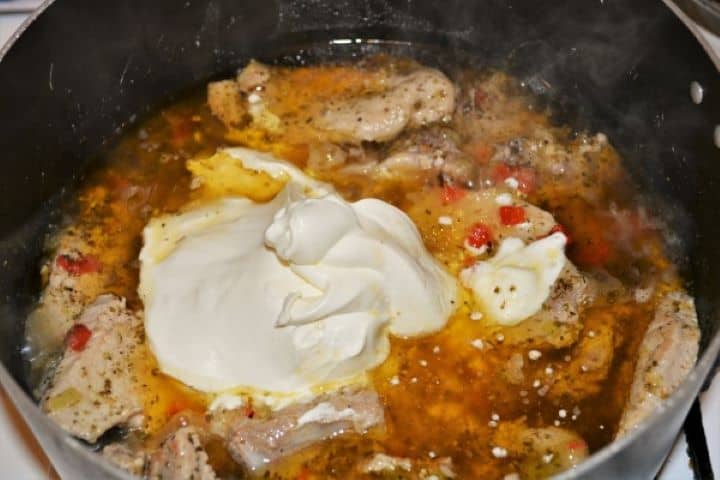
- Check the meat-it should be incredibly tender and soft. Before moving on, carefully remove the bones from the pan using tongs and discard them. By now, the water should have reduced down into a concentrated, savory gravy.
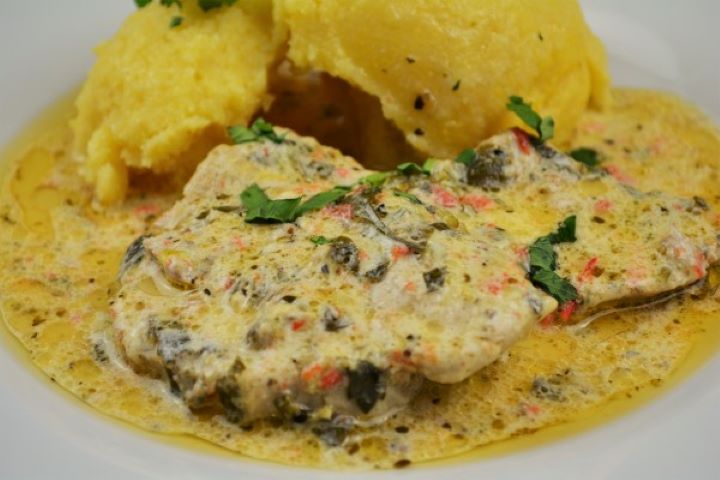
- Turn the heat down to the lowest setting. Add the full-fat sour cream (or crème fraîche) into the pan, stirring continuously until it melts into the juices to create a smooth, velvety white sauce. Let it warm through for just 1 to 2 minutes, but do not let it boil, as boiling will cause the cream to curdle and split.
5. Garnish and Serve
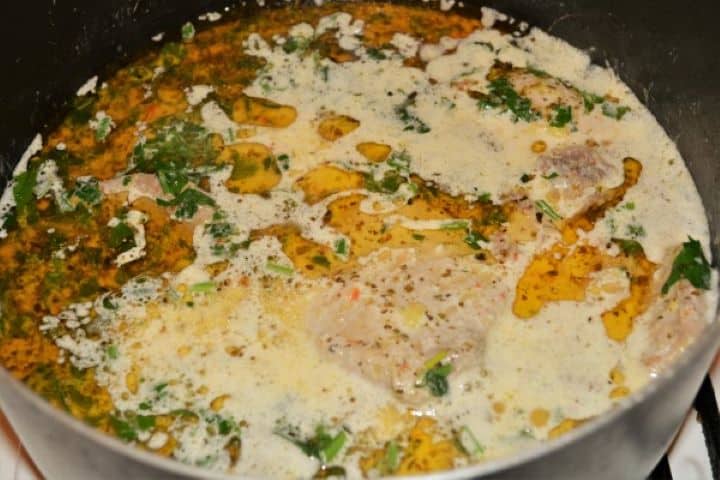
- Remove the pan from the heat immediately. Toss in a generous handful of finely chopped fresh parsley and stir it through the creamy sauce. The fresh herbs will brighten the rich stew beautifully. Serve hot!
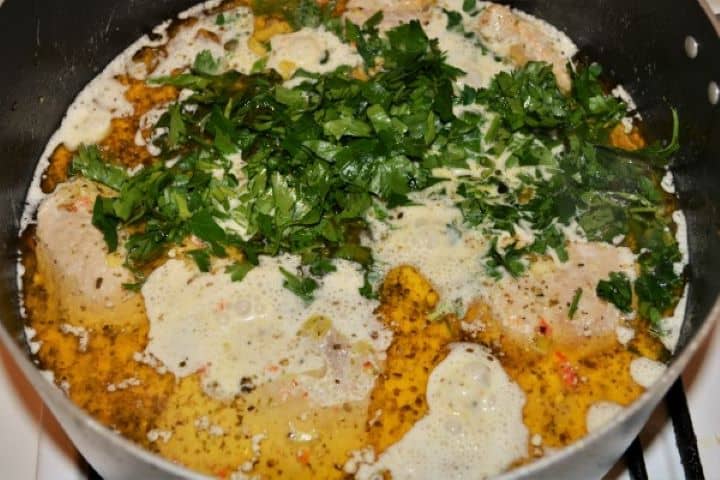
- The fresh herbs will brighten the rich stew beautifully. Serve hot!
Top Tips for Success
To make sure your creamy pork stew turns out perfectly every single time, keep these essential tips in mind:
- Do Not Skip the Bones: Searing the bones alongside the chunks of meat is the secret to a deeply flavored, rich stew base. They release natural gelatin and marrow as they simmer, creating a luxurious mouthfeel that you simply can't get from boneless meat alone.
- Prevent the Cream from Curdling: Full-fat sour cream or crème fraîche is essential here. Low-fat versions lack the fat content needed to stay stable when heated. When it's time to add the cream, make sure your pan is on the absolute lowest heat, or even take it off the heat completely. Never let the stew boil once the cream has been added, or it will split into a grainy texture.
- Clean Your Leeks Thoroughly: Leeks are notorious for trapping dirt and sand between their tightly packed layers. After slicing them, give them a quick rinse in a colander under cold water to ensure your smooth stew doesn't have a gritty crunch.
- Keep the Simmer Gentle: To guarantee those large chunks of pork leg or shoulder become melt-in-your-mouth tender, keep the liquid at a very gentle bubble. A hard boil will make the meat tough and stringy.
What to Serve With It
This rich, creamy sauce is practically begging to be soaked up, so your side dishes should be chosen perfectly to do the job!
- Polenta (Puliszka): This is the most traditional and, in my opinion, the absolute best pairing for this stew. A steaming bowl of soft, freshly made Transylvanian polenta acts as the perfect canvas for the creamy sauce and tender pork.
- Homemade Dumplings (Nokedli) or Pasta: If you prefer noodles over cornmeal, Hungarian nokedli (spaetzle) or a simple egg pasta like tagliatelle works wonderfully to catch all that delicious gravy.
- Crusty Bread: If you want a quick weeknight dinner, you can't go wrong with a thick slice of fresh, crusty sourdough or rustic bread to mop the plate clean.
- A Side of Pickles: Because this stew is rich and creamy, serving it with something acidic on the side brings perfect balance. Traditional sun pickled cucumbers (kovászos uborka), pickled red peppers, or a simple sharp side salad will cut through the richness beautifully.
Storage and Reheating
- To Store: Allow the stew to cool completely, then transfer it to an airtight container. It will keep beautifully in the fridge for up to 3 to 4 days. In fact, like many traditional stews, the flavors often deepen and meld even more by the second day.
- To Reheat: Because this stew contains a high amount of sour cream or crème fraîche, you must reheat it with care. Place it in a saucepan over low heat on the stove, stirring frequently until just warmed through. Do not let it boil, and avoid microwaving on high power, or the cream will split and become grainy.
- To Freeze: You can freeze this stew in an airtight container for up to 3 months. However, dairy can sometimes separate when thawed. For the best results, thaw completely in the fridge overnight and reheat very slowly on the stovetop, stirring constantly to bring the creamy sauce back together. If it looks slightly separated, stirring in a fresh spoonful of sour cream while heating usually fixes the texture.
Frequently Asked Questions
While many famous Transylvanian and Hungarian stews (like pörkölt or goulash) rely heavily on sweet red paprika, this specific dish is meant to be a "white stew." By leaving out the paprika, we allow the natural, delicate sweetness of the Kapia peppers, the mild leek, and the rich crème fraîche to truly shine as the star flavors.
The secret is fat content and temperature control. First, always use full-fat sour cream or crème fraîche (avoid low-fat versions, which split easily). Second, never let the stew boil once the cream has been added. Turn the heat to the absolute lowest setting, or take the pan off the heat entirely, before stirring in the cream.
I do not recommend using milk, as it is too thin and will not give the stew that signature velvety texture. Full-fat Greek yogurt can work in a pinch for a lighter version, but it is much more acidic and prone to splitting when heated than sour cream, so you must be extra careful to keep the heat very low.
Yes! Like most traditional stews, the flavors actually deepen and improve if left to rest overnight in the fridge. Just remember to reheat it very gently over medium-low heat on the stove, stirring often, so the cream sauce stays smooth and doesn't separate.
For this recipe, boneless pork shoulder or pork leg is the best choice. These cuts have a wonderful balance of meat and marbling, meaning they become incredibly tender and juicy as they simmer without drying out.
More Comforting Pork Recipes You'll Love
If you enjoyed the rich, savory flavors of this creamy pork stew, here are a few more of my favorite family pork recipes I recommend trying next:
- Pork Shoulder Stew With Mushrooms and Sour Cream - Another fantastic, creamy heritage stew.
- Simple Pork Tenderloin Stew Recipe - A quick, comforting, and tender weeknight dinner.
- Pork Tenderloin in Creamy Mushroom Sauce - Rich, velvety, and perfect for soaking up with bread or polenta.
- Easy Oven Baked Pork Steak Recipe - A hands-off, juicy classic for a simple Sunday lunch.
Bring a Taste of Transylvania to Your Table
I hope this traditional creamy pork stew brings a little bit of Transylvanian warmth and comfort to your family's dinner table. Whether you serve it over a steaming bowl of fresh polenta or with a thick slice of crusty sourdough, it is the kind of heartwarming, rustic meal that is meant to be shared and savored.
Did you make this recipe?
I would love to hear how it turned out for you! Please leave a comment and a star rating in the recipe card below-your feedback means the world to me and helps other readers find and trust these authentic heritage recipes.
If you take a photo of your finished stew, don't forget to tag me on Instagram, Facebook, or Pinterest at @timeaskitchen. And for more authentic heritage cooking, make sure to subscribe to my YouTube channel for full step-by-step video tutorials! I absolutely love seeing your delicious creations and sharing my family's recipes with you.
Hungry for More Traditional Stews?
There is nothing quite like a warm bowl of traditional stew to bring the family together. If the comforting flavors of this creamy pork recipe hit the spot, you won't want to miss these other authentic heritage dishes. Click on any of the photos below to explore more hearty Transylvanian and Hungarian stews from my kitchen to yours!

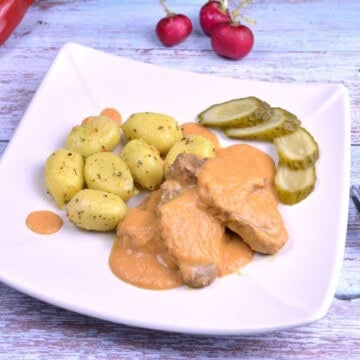

Traditional Transylvanian Pork Stew with Sour Cream
Equipment
- 1 Dutch oven or Large Deep Frying Pan
- 1 Chef's Knife for cleanly carving the meat away from the bones
- 1 Large Cutting Board For preparing the meat and vegetables
- 1 Kitchen tongs for safely removing the hot pork bones
- 1 wooden spoon for stirring the stew
Ingredients
- 1 kg pork chops keep the bones for the pot
- 2 tablespoon sunflower oil or pork lard
- 1+½ pieces leek large, washed and thinly sliced
- 1 piece kapia pepper sweet, chopped
- 1 teaspoon marjoram dried
- 1 tablespoon vegetable mix for soup, e.g., Vegeta
- 1 tablespoon sea salt fine, to taste
- 1 teaspoon black pepper freshly ground, to taste
- 500 ml water hot, just enough to cover the meat
- 300 ml crème fraiche or sour cream
- 1 bunch parsley chopped
Instructions
- Prepare the meat: Carefully carve the pork away from the bones, leaving the meat in large chunks. Do not discard the bones; keep them ready to add to the pan.
- Prepare the vegetables: Wash the leek thoroughly and slice it thinly. Wash, seed, and chop the sweet Kapia peppers into bite-sized pieces. Finely chop the fresh parsley and set it aside for later.
- Sear the meat: Heat the oil or lard in a large pan over medium heat. Add the large chunks of pork and the bones directly to the pan. Cook for 5-8 minutes, stirring often, until the meat is sealed and opaque.
- Add the vegetables: Stir in the thinly sliced leek and chopped Kapia peppers. Cook for another 5-7 minutes until the vegetables soften and become fragrant.
- Season and simmer: Season with sea salt, black pepper, the vegetable mix for soups, and the dried marjoram. Pour in just enough water to almost cover the meat. Reduce heat to low, cover, and simmer gently for 40-45 minutes until the pork is tender.
- Add the cream: Once the meat is soft, carefully remove and discard the bones using tongs. Turn the heat to the lowest setting. Stir in the full-fat sour cream until it melts into a smooth white sauce. Let it warm through for 1-2 minutes (do not let it boil).
- Garnish: Remove the pan from the heat, stir in the chopped fresh parsley, and serve immediately over hot polenta.
Notes
- The Bones: Don't throw away the pork bones when carving your chunks! Simmering them with the meat adds natural gelatin and incredible depth to the stew's flavor.
- Prevent Curdling: Always use full-fat sour cream or crème fraîche. Ensure your pan is on the lowest possible heat when adding it, and never let the stew return to a boil once the cream is in the pan.
- Substitutions: If you cannot find Kapia peppers, standard red bell peppers or Romano peppers work perfectly.
Nutrition
This post contains affiliate links. Read the full disclosure here.