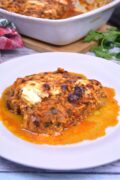
If you have only ever tried the Greek version of this dish, authentic Turkish moussaka (Patlıcan Musakka) is going to be a delightful revelation. Unlike Greek moussaka, which is layered like lasagna and covered in a thick béchamel custard, the Turkish classic is completely white-sauce free. Instead, it is a rustic, deeply savory dish where tender, golden-brown aubergines melt into a rich, fragrant minced meat sauce infused with sweet peppers, ripe tomatoes, and aromatic spices.
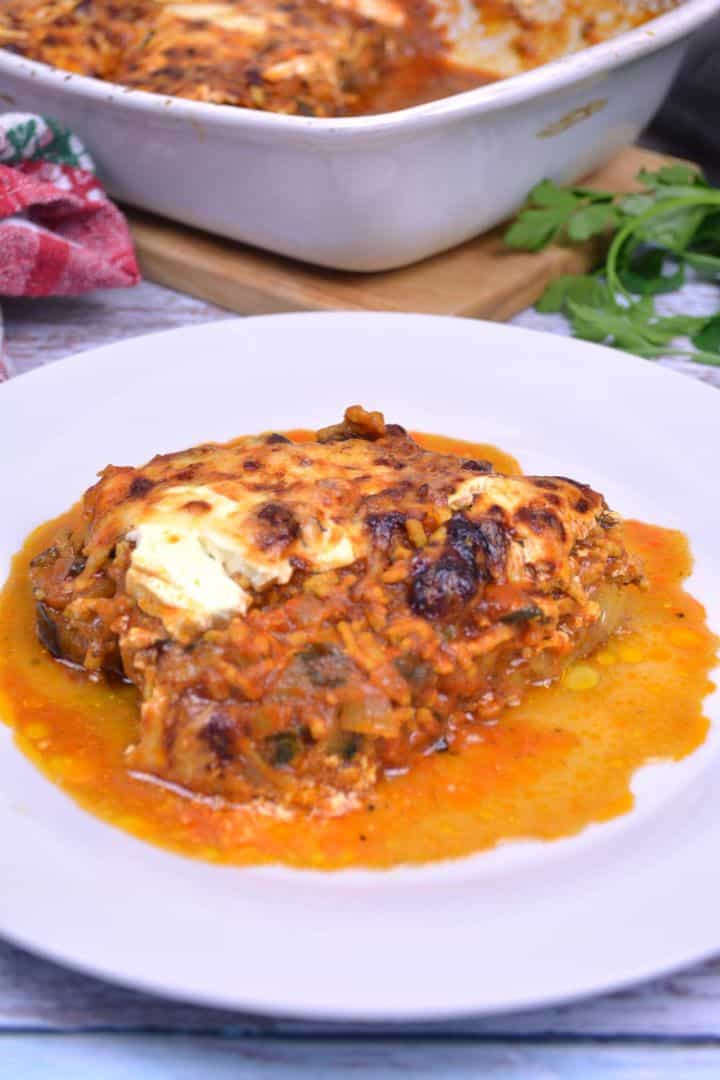
In Turkish home kitchens, musakka is pure comfort food-cooked on the stovetop or finished in the oven until the flavors meld into a rich, glossy gravy. The aubergines act like sponges, soaking up every drop of spiced tomato broth and rendered pan juices.
Served piping hot straight from the pan alongside fluffy Turkish vermicelli rice (şehriyeli pilav) and a bowl of chilled garlic yogurt (cacık), this homestyle meal delivers maximum Mediterranean flavor with none of the fuss of making a separate custard sauce.
Jump to:
- Turkish Moussaka vs. Greek Moussaka: What Is the Difference?
- Key Ingredients & Substitutions (Timea's Homestyle Twist)
- How to Prepare the Aubergines: Frying vs. Oven-Roasting
- Watch the Video Tutorial:
- How to Make Authentic Turkish Moussaka (Step-by-Step)
- Timea's Top Tips for the Best Turkish Moussaka
- What to Serve with Turkish Moussaka
- Make-Ahead, Storage & Reheating Tips
- Delicious Recipe Variations & Adaptations
- Frequently Asked Questions (Turkish Moussaka)
- More Delicious Ways to Cook with Minced Pork
- Let's Stay Connected!
- Authentic Turkish Moussaka (Patlıcan Musakka with a Homestyle Gratin Twist)
Turkish Moussaka vs. Greek Moussaka: What Is the Difference?
While both dishes share the same Arabic root word (musaqqa'ah, meaning "chilled" or "moistened"), the Turkish and Greek versions are completely different culinary experiences.
If you are expecting a neat square slice held together by a thick white custard, that is the Greek restaurant classic. Turkish Patlıcan Musakka, on the other hand, is a rustic, deeply savory home-style stew or shallow casserole where the aubergines melt directly into a rich, tomato-infused meat gravy.
| Feature | Authentic Turkish Moussaka (Patlıcan Musakka) | Classic Greek Moussaka (Mousakas) |
| Top Layer | No béchamel. Finished with sliced fresh tomatoes and green peppers. | Thick, baked béchamel custard with grated cheese. |
| Vegetables | Aubergines are the star (occasionally with sweet green peppers). | Layered aubergines, often paired with sliced potatoes or courgettes. |
| Texture & Serving | Soft, melting, and saucy; spooned generously over rice pilaf or scooped with bread. | Firm and layered like a lasagna; sliced into clean rectangular portions. |
| Spice Profile | Savory and vibrant: Turkish pepper paste (biber salçası), garlic, tomato, and pul biber (chili flakes). | Warm and sweet: Ground cinnamon, allspice, cloves, and nutmeg. |
| Meat | Ground beef or minced lamb simmered in olive oil with aromatics. | Minced beef or lamb simmered in red wine and spiced tomato sauce. |
Key Ingredients & Substitutions (Timea's Homestyle Twist)
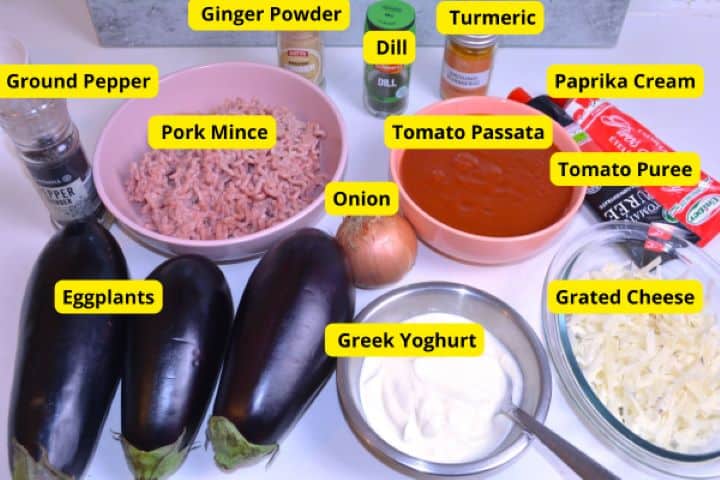
This recipe brings together the comforting soul of Mediterranean aubergine casseroles with my signature homestyle pantry touches. Here is everything you will need to create that meltingly tender, saucy bake:
- Aubergines (Eggplants): Choose 2-3 medium, firm aubergines with smooth, glossy dark purple skin. Peeling them in alternating "zebra stripes" (alacalı) is the secret-it keeps the thick rounds from collapsing into mush while allowing them to absorb every drop of the savory paprika-tomato gravy.
- The Minced Meat: Minced pork is one of my favorite staples for weeknight comfort food because it stays remarkably succulent and absorbs aromatic spices beautifully. If you have extra pork mince to use up, you will also love my Stuffed Aubergines Recipe, my comforting Hungarian Stuffed Peppers, or this layered Cabbage Casserole.
- Substitutions: While pork is my go-to for everyday family dinners, lean minced beef (12-15% fat) or minced lamb is the traditional Halal choice across Turkey and works beautifully with the exact same method and cooking time.
- The Tomato & Pepper Gravy Base:
- Tomato Passata (500 ml): Smooth sieved tomatoes create a silky, luscious sauce that cushions the aubergines without being watery.
- Tomato Paste (1 tbsp): Concentrated paste adds deep umami and rich color.
- Hungarian Sweet Paprika Paste (Piros Arany - 1 tsp): My secret weapon! It infuses the sauce with that unmistakable sweet, sun-ripened red pepper richness. (If you don't have Piros Arany on hand, authentic Turkish sweet pepper paste-tatlı biber salçası-or a mild paprika cream is the perfect swap).
- The Unique Spice Blend:
- Ginger Powder & Turmeric: Add subtle warmth, gentle digestive spice, and an appetizing golden depth to the browned mince.
- Dried Dill: Imparts a delicate herbal aroma that pairs naturally with aubergines and tomato sauce.
- Sea Salt & Freshly Ground Black Pepper: Classic staples to bring out the natural flavors of the meat and vegetables.
- Aromatics: A finely diced yellow onion softened in mild olive oil, along with plenty of freshly minced garlic stirred in just before simmering.
- Fresh Flat-Leaf Parsley: Half a bunch, finely chopped and folded in off the heat. It provides a burst of fresh herbal contrast against the rich red sauce.
- The Quick Gratin Topping (No Béchamel!):
- Thick Greek Yogurt (200 ml): Spread smoothly over the meat layer. It provides a cool, tangy creaminess that balances the savory spiced meat beneath.
- Manchego Cheese (50 g): Freshly grated and scattered on top. Manchego melts effortlessly, creating a nutty, buttery, bubbling golden crust that gives this casserole its irresistible finish. (Substitutions: Mild white Cheddar, Gouda, or Turkish kaşar cheese).
How to Prepare the Aubergines: Frying vs. Oven-Roasting
Aubergines act like natural sponges. If placed directly into a hot pan with oil, they will soak it up instantly. Turkish cooks use two specific techniques to ensure the aubergines turn creamy and tender without becoming greasy:
- The Zebra Peel (Alacalı Soyma): Peel lengthwise strips of skin using a vegetable peeler, alternating peeled and unpeeled stripes. This gives the aubergine slices enough structural integrity to hold their shape while allowing the rich tomato gravy to penetrate completely.
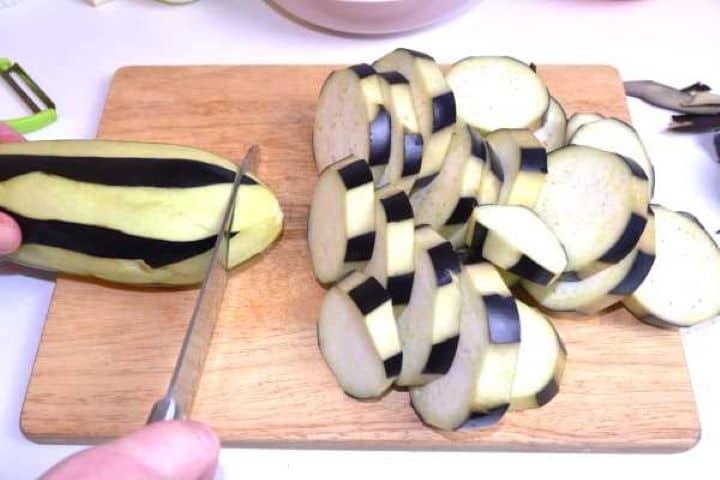
- The Salt Water Soak: Slice the aubergines into thick rounds (about 1.5-2 cm / ¾-inch thick) or bite-sized chunks. Submerge them in a bowl of cold, well-salted water for 15 to 20 minutes. This draws out any bitter juices, keeps the flesh white, and closes the cell structure so they absorb far less oil during cooking. Pat thoroughly dry with clean paper towels before cooking.
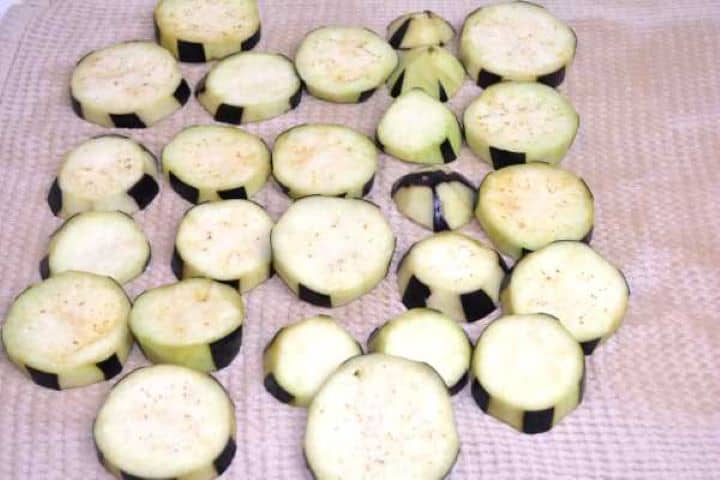
Option A: Traditional Shallow Frying (The Classic Lokanta Method)
This is how traditional Turkish home cooks and lokantas achieve that signature melt-in-the-mouth, buttery texture.
- Heat about 1 cm of mild olive oil or sunflower oil in a wide frying pan over medium-high heat.
- Fry the dried aubergine rounds in batches for 2-3 minutes per side until lightly golden brown.
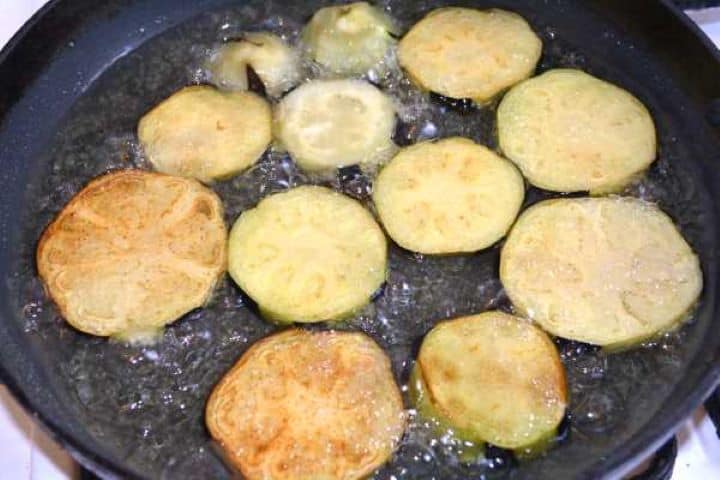
- Transfer them immediately to a plate lined with paper towels to drain off excess surface oil.
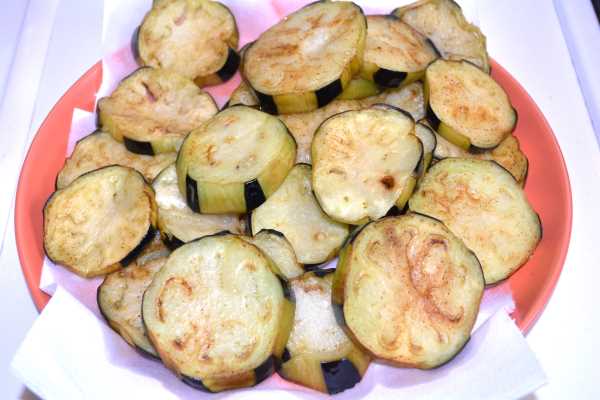
Option B: Oven-Roasting (The Lighter, Hands-Off Alternative)
If you prefer a lighter dish with less oil and no stovetop splatters, oven roasting produces nearly identical tender results.
- Preheat your oven to 200°C (400°F / gas mark 6) or 180°C Fan.
- Arrange the aubergine slices on a large baking tray lined with parchment paper.
- Brush both sides lightly with olive oil (or toss them in a bowl with 2-3 tablespoons of oil) and season with a pinch of salt.
- Roast for 20 to 25 minutes, flipping once halfway through, until golden and tender.
Watch the Video Tutorial:
If you are a visual learner who loves seeing every step in action-from slicing the aubergines in traditional zebra stripes to simmering that rich, glossy meat sauce-I have put together a full step-by-step video tutorial for you! Watch the video below to see how easily this authentic Turkish moussaka (Patlıcan Musakka) comes together in my kitchen:
If you enjoy cooking along with me, please don't forget to give the video a thumbs up and subscribe to my YouTube channel (@timeaskitchen) for more easy, authentic Mediterranean and home-cooked family recipes!
How to Make Authentic Turkish Moussaka (Step-by-Step)
2: Cook the Spiced Meat Sauce (Step-by-Step)
- Sauté the Onions: Heat 2 tablespoons of olive oil in a wide frying pan or deep skillet over medium heat. Add the finely diced yellow onion and sauté gently for 4 to 5 minutes, stirring occasionally, until soft, glossy, and translucent.
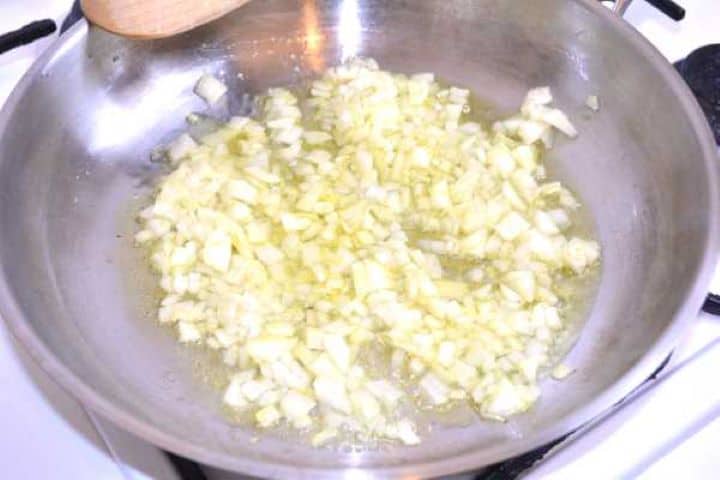
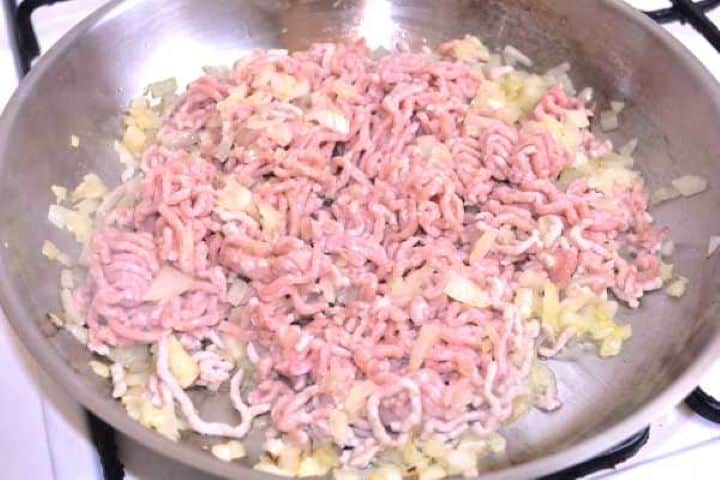
- Brown the Mince: Add the minced pork to the pan. Break it apart with a wooden spoon and cook over medium-high heat until the meat is completely browned and the rendered cooking juices begin to sizzle (about 6 to 8 minutes).
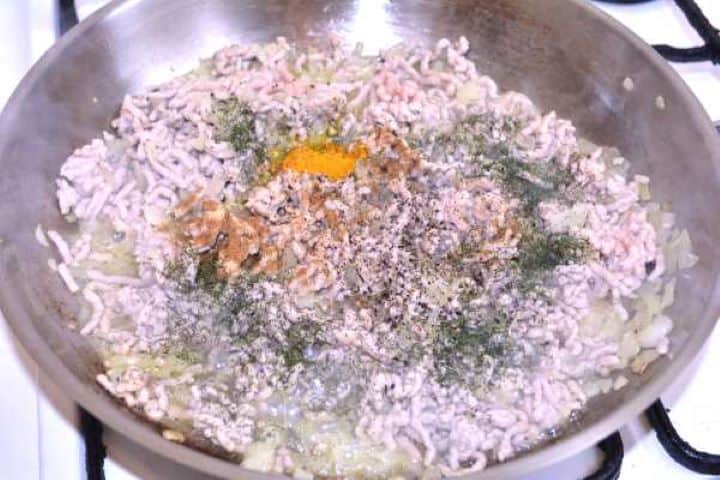
- Bloom the Dry Seasonings: Sprinkle the dry spices directly over the browned meat:
- 1 teaspoon sea salt
- 1 teaspoon ginger powder
- 1 teaspoon dried dill
- ½ teaspoon ground turmeric
- ½ teaspoon freshly ground black pepper
- Stir continuously for 30 to 60 seconds. Blooming the dry spices in the hot rendered meat juices unlocks their essential oils, creating a fragrant, golden base.
- Stir in the Concentrated Pastes: Add 1 tablespoon of tomato paste and 1 teaspoon of Hungarian sweet paprika paste (Piros Arany). Stir well for about 1 minute so the pastes coat the seasoned meat evenly and lightly caramelize against the bottom of the pan.
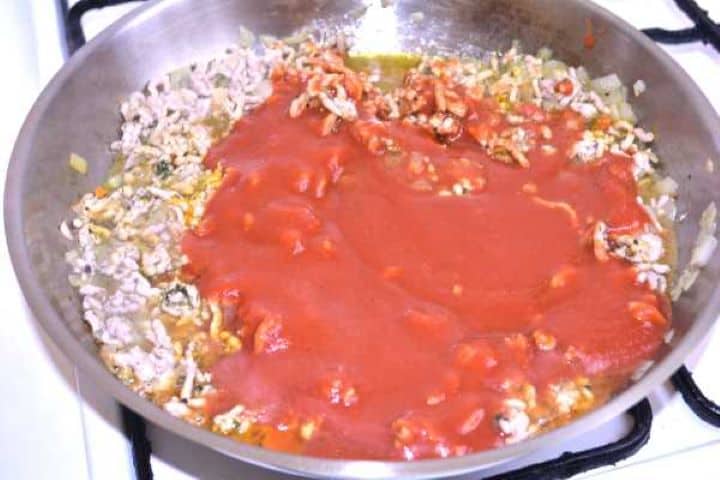
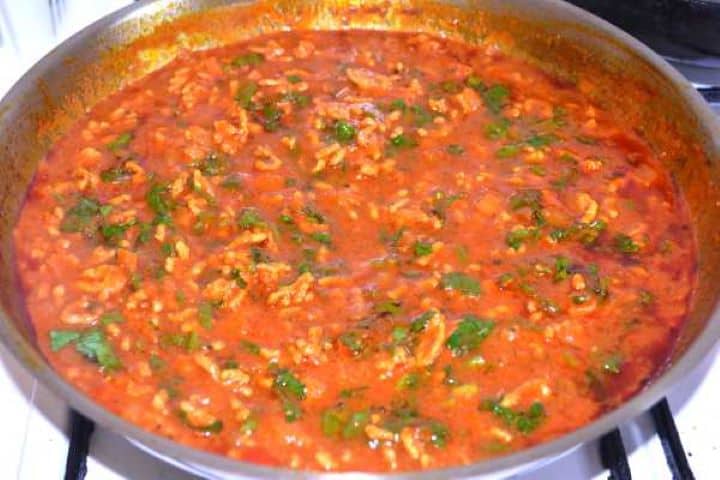
- Add Passata, Water & Garlic: Pour in 500 ml of tomato passata and 150 ml of hot water, then stir in the minced garlic. Lower the heat to medium-low and simmer gently for 8 to 10 minutes, stirring occasionally, until the liquid reduces into a rich, fragrant, and glossy sauce.
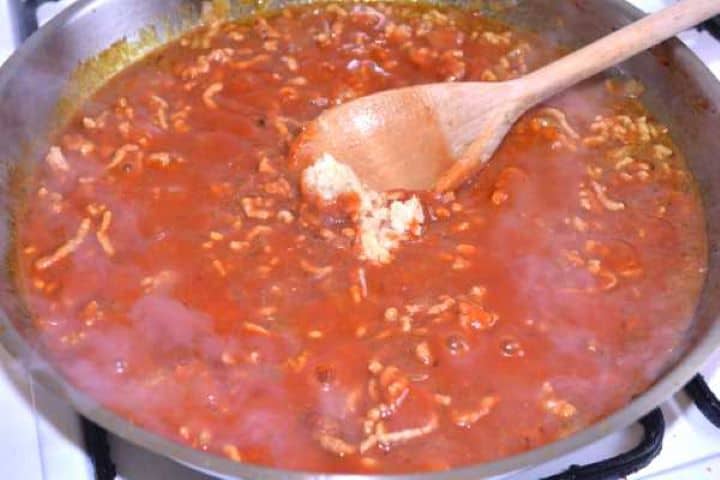
- Finish with Fresh Parsley: Turn off the heat and stir in half a bunch of freshly chopped flat-leaf parsley. This adds a beautiful pop of vibrant green contrast against the rich red paprika sauce, along with a burst of fresh herbal brightness that ties the entire meat base together.
3: Assemble, Layer & Bake (Timea's Signature Gratin Finish)
This is where the magic happens! While a classic Turkish restaurant musakka usually stops with just the meat and aubergines, my homestyle version adds a luscious, golden gratin topping.
Instead of going through the time-consuming hassle of whisking a butter-and-flour béchamel sauce from scratch, this clever Greek yogurt and cheese shortcut delivers that rich, bubbly comfort food finish in seconds:
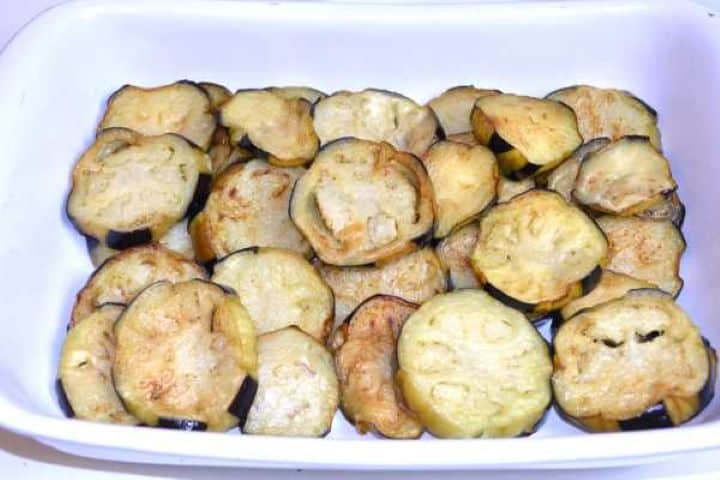
- The Aubergine Foundation: Take a medium glass baking dish (borcam) or ceramic ovenproof tray. Arrange the prepared golden aubergine rounds in an even, snug single layer across the base.
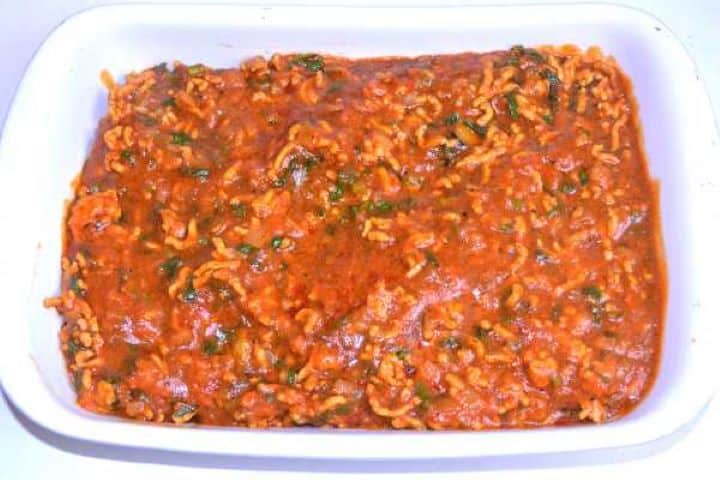
- The Savory Meat Layer: Spoon the warm, spiced pork mince sauce evenly over the aubergines, gently pressing it out to the edges so the rich paprika-and-tomato juices settle into every crevice.
- The Creamy Yogurt Layer: Spoon 200 ml of thick Greek yogurt over the seasoned meat and gently spread it with the back of a spoon into a smooth, creamy blanket. The tangy coolness of the yogurt balances the warm spices and rich pork mince beautifully.
- The Manchego Cheese Crust: Scatter 50 g of freshly grated Manchego cheese evenly across the yogurt layer. (Manchego melts like a dream, adding a rich, nutty, buttery flavor and a gorgeous golden glow as it bakes!)
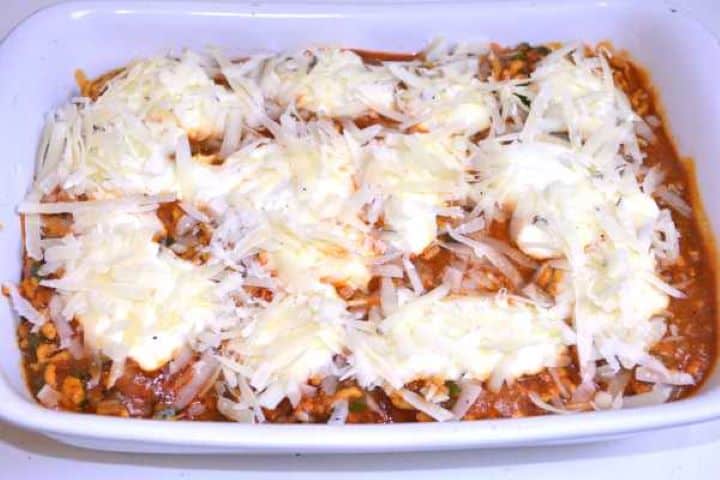
- Bake to Golden Perfection: Bake uncovered in a preheated oven at 190°C (375°F / gas mark 5) for 20 to 25 minutes. You will know it's ready when the sauce is happily bubbling up around the edges and the Manchego cheese has melted into an irresistible, bubbling, golden-brown crust.
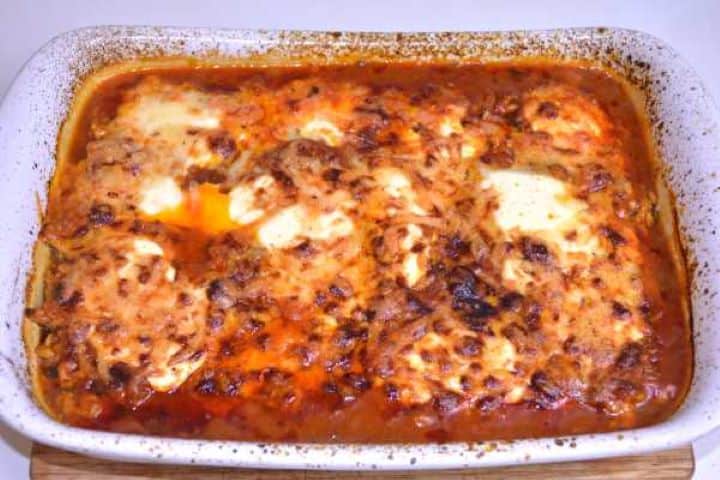
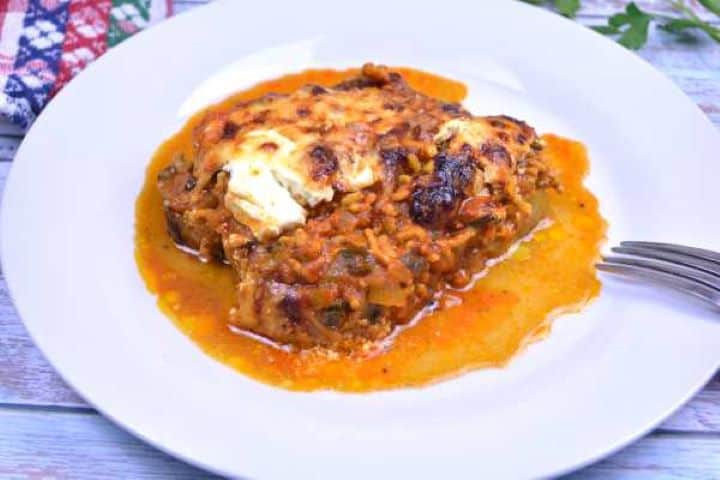
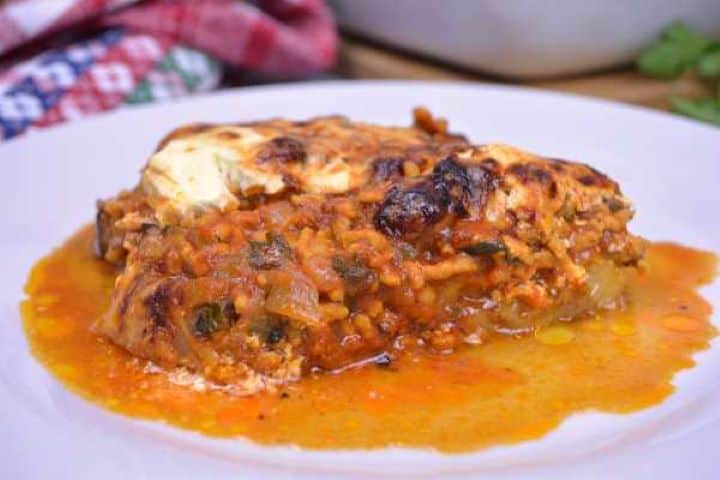
- Rest Before Serving: Allow the moussaka to rest on the countertop for 5 to 10 minutes before scooping. This brief rest lets the creamy yogurt layer settle and allows the aubergines to soak up all the flavorful juices.
Timea's Top Tips for the Best Turkish Moussaka
- Always Use Full-Fat Greek Yogurt: Do not use low-fat yogurt or thin natural yogurt for the topping. Low-fat yogurts contain too much water and will curdle or split under high oven heat. Authentic, thick full-fat Greek yogurt (or strained Turkish süzme yogurt) holds its body and bakes into a velvety, creamy gratin.
- Grate the Cheese Fresh from the Block: Pre-shredded bagged cheese is coated in cellulose (an anti-caking starch) that prevents it from melting smoothly. Grating a block of Manchego fresh ensures an irresistible, silky, golden-brown crust.
- Let the Pork Brown Completely First: When cooking the minced meat, let all the natural rendered moisture evaporate from the pan before adding your seasonings. Once the meat starts sizzling in its own rendered fat, you get that deep, savory Maillard browning that gives the tomato gravy its rich foundation.
- Give it a 10-Minute Rest Before Serving: When the baking dish comes bubbling out of the oven, resist the urge to scoop into it immediately! Letting the casserole rest for 5 to 10 minutes allows the aubergines to absorb the remaining tomato passata juices and lets the yogurt layer set, making it much easier to serve cleanly.
- Pat the Aubergines Bone-Dry: After soaking your zebra-striped aubergine slices in salted water, press them thoroughly between clean kitchen paper towels. Removing excess surface water prevents oil splatters during frying and ensures the slices roast or sear to a golden brown rather than steaming.
What to Serve with Turkish Moussaka
Because this moussaka features a rich, spiced tomato sauce and a creamy melted topping, it pairs best with simple, fresh Mediterranean sides that can mop up every drop of gravy:
- Turkish Rice Pilaf (Şehriyeli Pilav): Fluffy white basmati or baldo rice toasted with golden orzo or vermicelli noodles is the quintessential pairing in every Turkish home. Serve it alongside a steaming bowl of fluffy white rice or my Vegetable Rice Pilaf to soak up that rich tomato gravy.
- Warm Flatbread or Crusty Bread: A loaf of fresh, crusty artisan bread, warm pita, or Turkish flatbread (pide) is essential for dipping into the fragrant juices at the bottom of the dish.
- Crisp Turkish Shepherd's Salad (Çoban Salatası): Diced cucumbers, juicy tomatoes, sweet pointed peppers, and fresh parsley tossed in lemon juice and extra virgin olive oil bring a welcome, crisp acidity that cuts right through the richness of the meat and cheese. To balance the rich, baked cheese crust, pair it with a crisp Greek Village Salad or a smoky aubergine starter like my authentic Salată de Vinete (Romanian Eggplant Salad).
- Extra Cold Garlic Yogurt (Cacık): If you can't get enough creamy goodness, serve a small side bowl of chilled yogurt with grated cucumber, minced garlic, a pinch of dried mint, and a drizzle of olive oil.
Make-Ahead, Storage & Reheating Tips
- Make-Ahead Friendly: You can cook the aubergines and meat sauce earlier in the day (or even the night before). Assemble the base in your baking dish, cover, and refrigerate. When ready to dine, simply spread the Greek yogurt, sprinkle the grated Manchego, and bake as directed (add 5-7 extra minutes if baking straight from cold).
- Storing Leftovers: Store any leftovers in an airtight glass container in the refrigerator for up to 3 to 4 days. Like many tomato-based stews and casseroles, the flavors actually deepen and become even tastier the next day!
- How to Reheat:
- Oven (Best for keeping the cheese crust): Place portions in an oven-safe dish, cover loosely with foil, and heat at 175°C (350°F) for 15-20 minutes until piping hot throughout. Remove the foil for the last 3 minutes to crisp up the top.
- Microwave: Reheat individual portions on medium-high power for 2-2.5 minutes until steaming hot.
- Can You Freeze It? Yes! Portion cooled, baked moussaka into freezer-safe containers and freeze for up to 2 months. Thaw overnight in the fridge before gently reheating in the oven.
Delicious Recipe Variations & Adaptations
One of the best things about this dish is how easy it is to customize based on what you have in your fridge or your family's dietary preferences:
- The Traditional Beef or Lamb Version (Authentic Lokanta Style): If you want to follow the traditional Halal recipe served in Turkish eateries (lokantas), substitute the pork mince with 500 g of lean ground beef (12-15% fat) or minced lamb. Keep all other spices, the Hungarian paprika paste, and cooking steps exactly the same.
- Light Poultry Twist (Minced Turkey or Chicken): For an everyday lighter dinner, lean minced turkey breast or ground chicken works wonderfully. Because poultry has less natural fat, add an extra tablespoon of olive oil to the pan when sautéing the onions so the meat remains tender and juicy.
- Classic Stovetop Style (No Cheese, No Oven): If you want to enjoy the dish as it is traditionally served in Turkish homes, skip the yogurt and Manchego topping entirely. Layer the golden aubergines and meat sauce in a wide, shallow lidded pan, add 100 ml of water, and simmer covered on low heat for 20 minutes until meltingly soft. Serve with a bowl of cold cacık (garlic-cucumber yogurt) on the side.
- Make It Spicy: If your family loves a fiery kick, add ½ teaspoon of Turkish chili flakes (pul biber) or a teaspoon of hot paprika paste (such as Erős Pista or hot biber salçası) along with the sweet paprika paste.
- Vegetarian Lentil Moussaka: Swap the minced meat for 400 g of cooked brown or green lentils combined with 200 g of finely diced brown champignon mushrooms. Sauté the mushrooms until golden before adding the seasonings, passata, and cooked lentils.
Frequently Asked Questions (Turkish Moussaka)
The biggest difference is the sauce and layering. Greek moussaka is assembled like a lasagna with potatoes, aubergines, and spiced minced meat, topped with a thick, baked béchamel custard. Authentic Turkish moussaka (Patlıcan Musakka) has no béchamel sauce; it is a rustic dish where tender aubergines are simmered or baked in a savory tomato and pepper meat gravy.
Peeling aubergines in alternating lengthwise strips (alacalı soyma) leaves just enough skin to keep the aubergine slices from collapsing into mush while baking. At the same time, the exposed flesh allows the vegetable to soak up all the rich juices from the meat sauce and passata, ensuring a silky, melt-in-your-mouth texture.
Yes, soaking the sliced aubergines in cold salted water for 15 to 20 minutes is an essential step. It collapses the cellular sponge structure of the aubergine flesh, which prevents it from absorbing excessive oil during frying or roasting. It also draws out any residual bitter juices, keeping the vegetable sweet and tender.
Traditionally, authentic Turkish moussaka is made with lean minced beef (12-15% fat) or minced lamb. In this homestyle version, minced pork works brilliantly because its natural juiciness pairs wonderfully with the sweet Hungarian paprika paste (Piros Arany) and tomato passata. You can also use a 50/50 mix of beef and pork.
Yes! For a lighter, hands-off method, roast the aubergine slices in the oven instead of shallow frying. Arrange the slices in a single layer on a baking tray lined with baking paper, brush both sides lightly with olive oil, and bake at 200°C (180°C Fan / 400°F) for 20 to 25 minutes until tender and golden.
Turkish moussaka is an ideal make-ahead meal. You can fry/roast the aubergines and cook the meat sauce up to 24 hours in advance. Layer the aubergines and meat sauce in your baking dish, cover tightly with foil, and store in the fridge. When ready to serve, spread the Greek yogurt and grated Manchego cheese over the top, then bake at 190°C (375°F) for 25 to 30 minutes until bubbling and golden.
Yes, you can freeze baked Turkish moussaka. Let the dish cool completely, divide it into individual airtight, freezer-safe containers, and freeze for up to 2 months. Thaw overnight in the refrigerator and reheat in an oven preheated to 175°C (350°F) for 15 to 20 minutes until piping hot throughout.
More Delicious Ways to Cook with Minced Pork
Minced pork is one of my absolute favorite staples in the kitchen. It is naturally juicy, budget-friendly, and absorbs bold paprika and garlic flavors better than almost any other meat.
If you bought a large pack of pork mince or love comforting homestyle meals as much as my family does, here are some of my favorite pork mince recipes from the blog to inspire your weekly dinner menu:
Aubergine & Pork Favorites
- Eggplant with Minced Pork - A quick, savory stovetop stir-fry where melting eggplant pieces soak up rich, garlicky pan juices.
- Stuffed Aubergines Recipe - Tender roasted aubergine boats generously packed with a spiced pork and tomato filling.
Traditional Stuffed Vegetables & Bakes
- Best Stuffed Cabbage Rolls Recipe - Traditional sour cabbage leaves rolled around seasoned pork mince and slow-simmered to perfection.
- Stuffed Collard Greens Recipe - A delicate, tender green-leaf twist on classic Eastern European cabbage parcels.
- Layered Cabbage Casserole - All the flavors of stuffed cabbage rolls layered in a baking dish with rice, pork mince, and sour cream.
Hearty Soups, Pastas & Comfort Dinners
- Traditional Romanian Meatball Soup - Ciorbă de perișoare featuring tender pork meatballs poached in a tangy, vegetable-rich sour broth.
- Pasta with Pork Mince, Mushrooms & Double Cream - A 30-minute weeknight dinner with tender pasta tossed in a luxurious garlic-cream sauce.
- Easy Homestyle Meatloaf - A juicy, sliceable classic seasoned with garlic and paprika that makes incredible next-day sandwiches.
Let's Stay Connected!
Did you make this Turkish moussaka? I would love to see how it turned out in your kitchen! Snap a photo and tag me on Instagram or share it over on my Facebook page-I love seeing your delicious creations.
Don't want to lose this recipe? Hover over any photo to pin it to your favorite Pinterest dinner board so you have it ready for your next Mediterranean feast.
And if you enjoy step-by-step cooking videos, be sure to subscribe to my YouTube channel (@timeaskitchen) so you never miss a new home-cooked recipe!
Happy cooking,
Timea
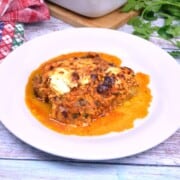
Authentic Turkish Moussaka (Patlıcan Musakka with a Homestyle Gratin Twist)
Equipment
- 2 Frying Pan
- 1 ceramic baking dish
Ingredients
For the Aubergines:
- 3 pieces eggplants medium size, (approx. 700g / 1.5 lbs)
- 1 tablespoon sea salt for the soaking water
- 3 tablespoon sunflower oil or vegetable oil (for frying or roasting)
For the Spiced Meat Sauce:
- 400 g pork mince or lean ground beef / minced lamb
- 2 tablespoon olive oil extra virgin
- 1 piece onion medium size, finely diced
- 3 cloves garlic finely minced
- 1 tsp sea salt fine
- 1 teaspoon ginger powder
- 1 teaspoon dill dried
- ½ teaspoon turmeric ground
- ½ teaspoon ground pepper freshly ground
- 1 tablespoon tomato paste concentrated
- 1 teaspoon paprika paste Hungarian sweet, (Piros Arany) (or Turkish sweet pepper paste / tatlı biber salçası)
- 500 g tomato passata
- 150 ml water (approx. ⅔ cup) hot water or light broth
- ½ bunch parsley finely chopped
- 1 teaspoon chilli flakes dried
For the Gratin Topping:
- 200 ml Greek yoghurt full-fat
- 50 g manchego cheese freshly grated
Instructions
1. Prepare the Aubergines:
- Peel the aubergines lengthwise in alternating "zebra stripes" with a vegetable peeler. Cut them into thick rounds (approx. 1.5-2 cm / ¾-inch thick).
- Submerge the slices in a large bowl of cold, salted water for 15 to 20 minutes to draw out bitter moisture. Drain thoroughly and pat completely dry with kitchen paper towels.
- Cook the Aubergines: - Pan-Frying (Traditional): Heat 1 cm of oil in a wide frying pan over medium-high heat. Fry the aubergines in batches for 2-3 minutes per side until lightly golden. Drain on paper towels. - Oven-Roasting (Lighter): Arrange slices on a parchment-lined baking tray, brush lightly with olive oil, and roast at 200°C (180°C Fan / 400°F) for 20-25 minutes until tender.
2. Cook the Spiced Meat Sauce:
- Heat 2 tablespoons of olive oil in a wide pan over medium heat. Add the diced onion and cook for 4-5 minutes until soft and translucent.
- Add the minced pork, breaking it apart with a wooden spoon. Cook until the meat is fully browned and the juices begin to sizzle (about 6-8 minutes).
- Sprinkle the dry seasonings directly over the browned meat: 1 teaspoon sea salt, 1 teaspoon ginger powder, 1 teaspoon dried dill, ½ teaspoon turmeric, and ½ teaspoon black pepper. Stir continuously for 30-60 seconds to let the spices bloom in the rendered juices.
- Add the tomato paste and Hungarian sweet paprika paste (Piros Arany). Stir well for 1 minute so the pastes coat the meat and lightly caramelize.
- Pour in the 500 ml tomato passata, 150 ml hot water, and add the minced garlic. Lower the heat and simmer gently for 8-10 minutes until you have a rich, glossy sauce.
- Turn off the heat and stir in the freshly chopped parsley for a pop of color and fresh flavor.
3. Assemble and Bake:
- Preheat your oven to 190°C (170°C Fan / 375°F / gas mark 5).
- Arrange the cooked aubergine rounds in a single, snug layer across the bottom of a medium glass baking dish (borcam) or ceramic oven tray.
- Spoon the spiced meat sauce evenly over the aubergines, smoothing it to the edges so the juices seep down into the slices.
- Spoon 200 ml of thick Greek yogurt over the meat layer and spread it gently with the back of a spoon into an even blanket.
- Scatter the 50 g of freshly grated Manchego cheese evenly across the yogurt.
- Bake uncovered for 20 to 25 minutes, until bubbling at the edges and the Manchego cheese is melted into a bubbling, golden-brown crust.
- Allow the dish to rest for 5 to 10 minutes before serving hot.
Video
Notes
- Meat Choices: Pork mince creates a juicy, tender layer, but lean minced beef or lamb works with the exact same cooking steps for a traditional Middle Eastern profile.
- Paprika Paste: If you don't have Hungarian Piros Arany, substitute with Turkish tatlı biber salçası (mild sweet pepper paste) or an extra teaspoon of tomato paste mixed with a pinch of sweet paprika.
- Cheese Alternatives: Mild white Cheddar, Gouda, or Turkish kaşar can be used in place of Manchego.
Nutrition
This post contains affiliate links. Read the full disclosure here.