
If you have ever checked the ingredient label on a package of commercial deli meat, you already know how difficult it is to find cold cuts free from chemical preservatives, excess sodium, and artificial binders. That is exactly why this homemade chicken salami recipe has become a staple in our kitchen.
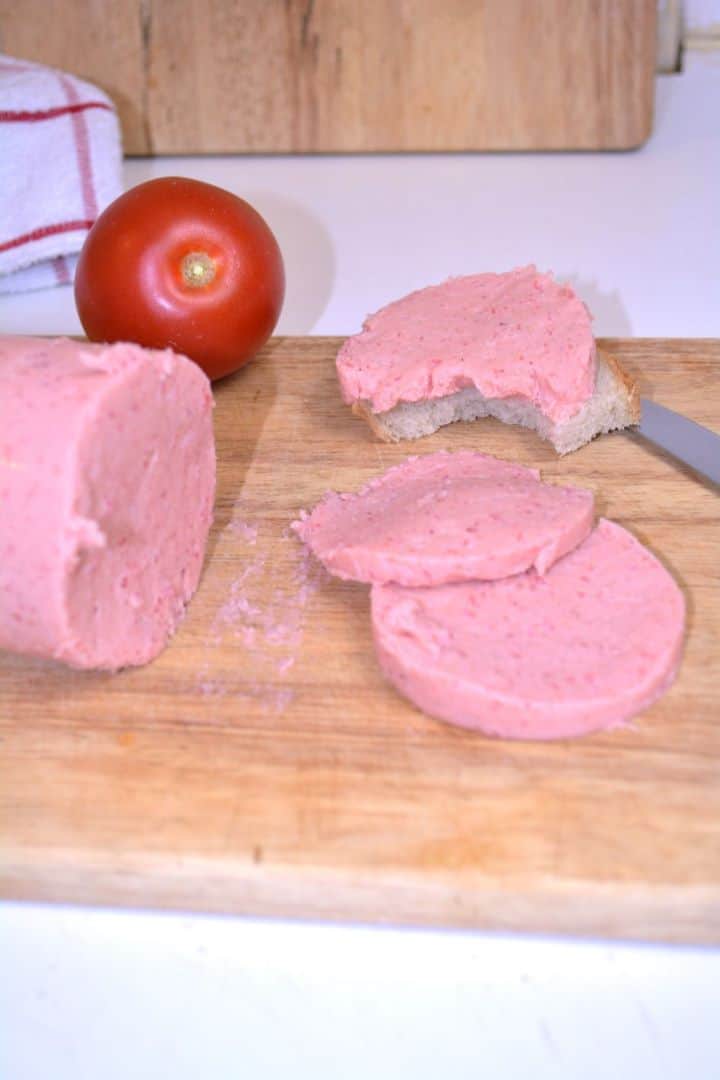
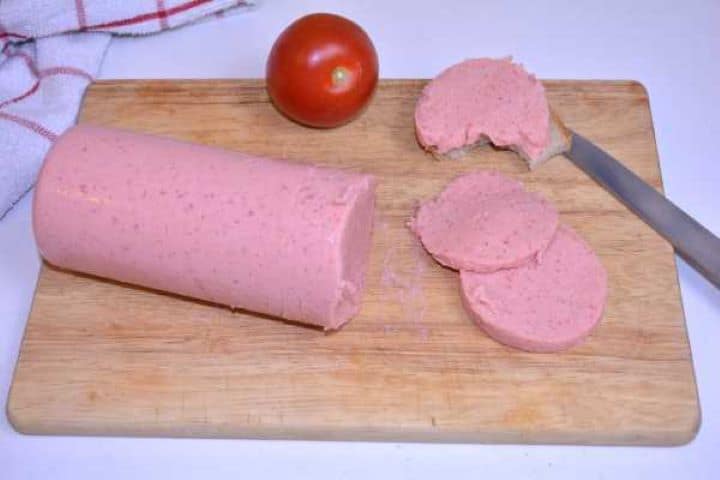
Made entirely from fresh chicken breast gently simmered with aromatic vegetables, infused with warming spices, and naturally tinted with a touch of fresh beetroot juice, this preservative-free chicken cold cut delivers all the mild, savory flavor of classic poultry bologna without any mystery additives. The secret to its firm, smooth, and easily sliceable texture is a rich combination of natural chicken stock and gelatin, which sets the pureed meat into a uniform roll inside a simple recycled bottle mold.
Whether you slice it thin for morning sandwiches, pair it with fresh crusty bread and tangy sheep's cheese, or pack it into school lunchboxes, this healthy chicken salami is proof that wholesome, preservative-free deli meat is surprisingly simple to make right on your stovetop.
Jump to:
- What Is Homemade Chicken Salami?
- Ingredients & The Science of the Perfect Gelatin Ratio
- The Secret Gelatin Ratio (For a Firm, Sliceable Roll)
- Smart Ingredient Swaps
- Watch the Video Tutorial
- Step-by-Step Instructions: How to Make Homemade Chicken Salami
- Top Tips for the Best Homemade Chicken Salami
- How to Serve Homemade Chicken Salami
- Food Safety & Storage (Preservative-Free Deli Meat)
- Frequently Asked Questions (FAQ)
- More Wholesome Breakfast & Brunch Favorites
- Connect With Us & Share Your Creations!
- Easy Homemade Chicken Salami Recipe (Preservative-Free)
What Is Homemade Chicken Salami?
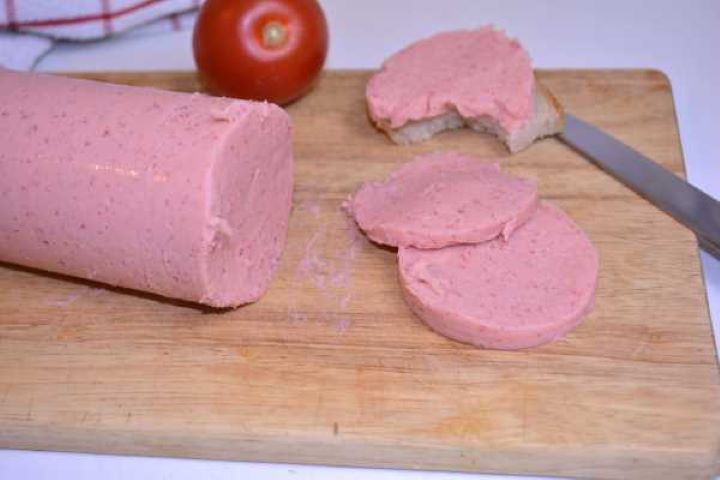
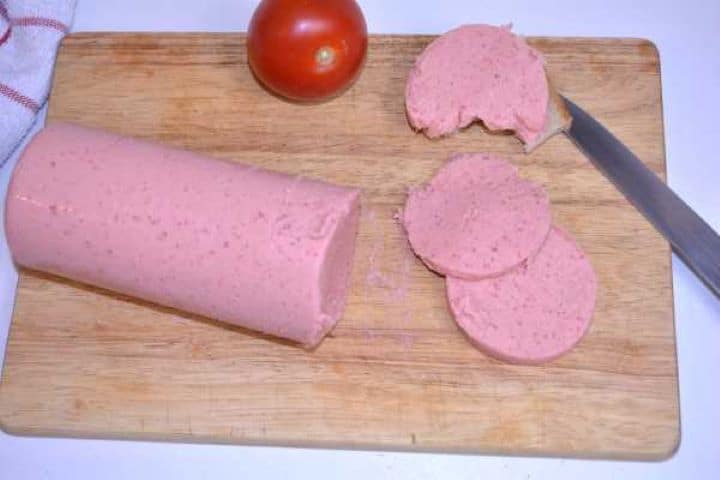
While traditional Italian salami is cured, fermented, and air-dried over months, this European-style chicken salami (often known as chicken bologna, parizer, or luncheon meat) is a gently poached, emulsified cold cut. It is tender, mildly spiced, and sets into a firm, sliceable roll as it cools.
The best part about making your own deli meat at home is total control over what goes into it-no MSG, artificial colorants, or sodium nitrates. If you enjoy this method, you can easily adapt the base with different meats; lean pork works wonderfully, or you can try my popular Homemade Turkey Bologna Recipe for another wholesome sandwich filler your family will love.
Ingredients & The Science of the Perfect Gelatin Ratio
Making deli meat at home requires only a handful of wholesome pantry items. Because we are not using commercial phosphates or chemical binders, getting the balance between liquid, meat, and gelatin just right is the key to creating a salami that slices cleanly without crumbling or feeling rubbery.
1. For Poaching the Chicken
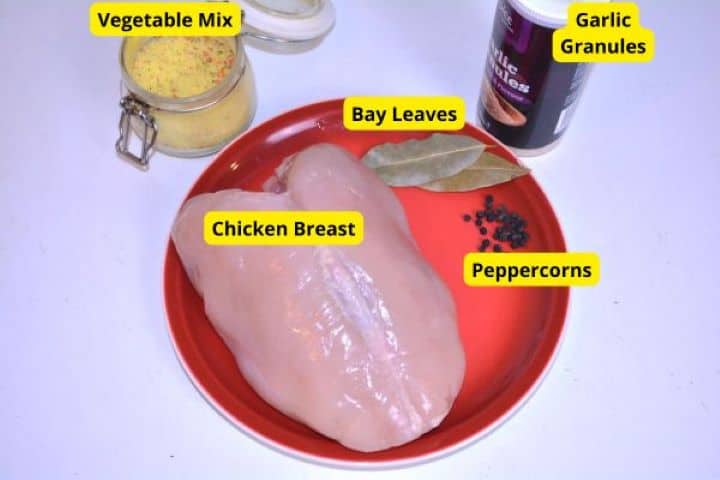
- Bone-In Chicken Breast (500 g / 1.1 lbs): Using bone-in chicken breast yields far more flavor than boneless fillets. The bone also releases natural gelatin into the simmering liquid, giving you a richer stock for blending.
- Dried Vegetable Soup Mix (1½ tablespoons): A traditional European dried vegetable seasoning (such as homemade dehydrated soup greens or a quality additive-free vegetable mix) infuses the poultry with deep, savory flavor from the inside out.
- Whole Black Peppercorns (1 teaspoon): Adds a gentle, rounded warmth to the broth without overpowering the chicken.
- Bay Leaf (1 leaf): Essential for a classic aromatic poaching broth.
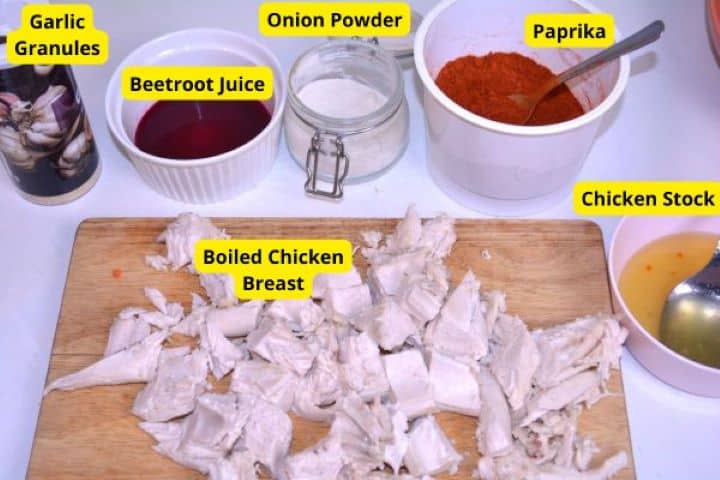
- Garlic Granules (1 teaspoon): Granulated garlic dissolves evenly into the poaching liquid to lightly perfume the meat.
2. For the Salami Paste & Natural Tint
- Sweet Hungarian Paprika (1 teaspoon): Provides subtle sweetness, mild earthiness, and an authentic European charcuterie flavor profile.
- Ground Nutmeg (¼ teaspoon): The secret spice in traditional bologna and parizer. Even a tiny pinch gives the cold cut its signature deli aroma.
- Onion Powder (1 teaspoon) & Garlic Granules (½ teaspoon): Concentrated aromatics that emulsify seamlessly into the puree without adding excess moisture or raw bite.
- Fine Sea Salt (1 teaspoon): Essential for bringing out the savory poultry flavors. Adjust slightly to taste depending on the saltiness of your poaching broth.
- Fresh Beetroot Juice (2 tablespoons): Natural color is everything here. Pureed poultry turns a pale, unappetizing beige once chilled. Squeezing fresh juice from a grated boiled beetroot provides that classic rosy-pink deli hue naturally, completely free from artificial dyes or sodium nitrates.
The Secret Gelatin Ratio (For a Firm, Sliceable Roll)
The single biggest mistake when making homemade poultry cold cuts is guessing the gelatin measurement. Gelatin sachets vary by brand and region:
- In the UK and Europe: 1 sachet is typically 10 g to 12 g.
- In the US and Canada: 1 envelope (Knox) is 7 g (approx. 2½ teaspoons).
The Golden Formula: For 500 g of bone-in chicken (which yields approximately 350-380 g of cooked, deboned meat) and 50 ml of warm broth, you need 20 g to 24 g of powdered unflavored gelatin (about 2 European sachets or 3 US envelopes / 2½ level tablespoons).
Why this ratio works: Gelatin dissolves easily in warm chicken stock, coating the finely pureed meat fibers. As it cools in the refrigerator, it forms a tight protein matrix that traps the moisture and fat, giving the roll enough structural integrity to be sliced razor-thin for sandwiches without falling apart.
Smart Ingredient Swaps
- Turkey or Lean Pork: You can swap the chicken breast for boneless turkey breast or lean pork tenderloin. If using pork, simmer it for 40-45 minutes until completely tender before pureeing.
- Smoked Paprika: If you enjoy a lightly wood-smoked deli profile, replace half of the sweet Hungarian paprika with quality sweet smoked paprika (pimentón dulce).
- Vegetable Mix Substitute: If you do not have dried soup vegetables on hand, simmer the chicken with half a fresh carrot, a quarter of an onion, and a stalk of celery in the pot.
Watch the Video Tutorial
Prefer to watch the process before heading into the kitchen? Watch my step-by-step video below to see the exact consistency of the chicken paste, how the natural beetroot tint comes together, and how effortlessly the salami slides out of the bottle mold.
Step-by-Step Instructions: How to Make Homemade Chicken Salami
Making this cold cut is a straightforward two-stage process: poaching the meat to create a flavorful stock, followed by pureeing, blooming the gelatin, and molding.
1: Poach the Chicken & Build the Broth
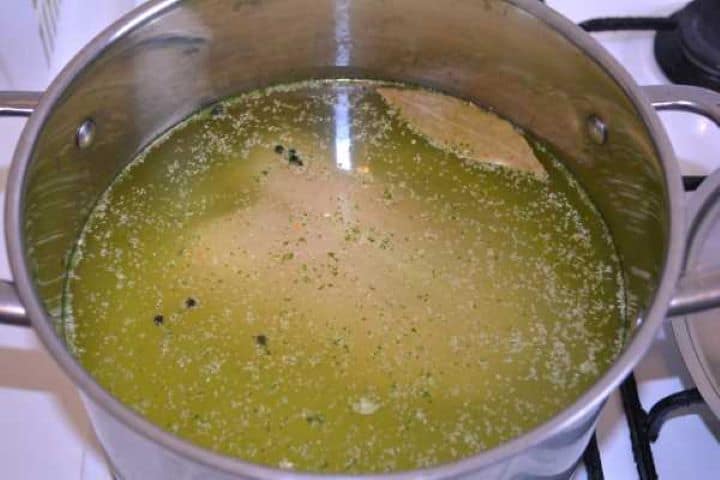
- Place the 500 g bone-in chicken breast into a medium soup pot along with 1½ tablespoons dried vegetable soup mix, 1 teaspoon whole black peppercorns, 1 bay leaf, and 1 teaspoon garlic granules.
- Pour in enough cold water to fully submerge the chicken by at least an inch.
- Bring to a gentle boil over medium heat, then lower the heat slightly and simmer uncovered for 30 minutes, or until the chicken is completely tender and cooked through to the bone.
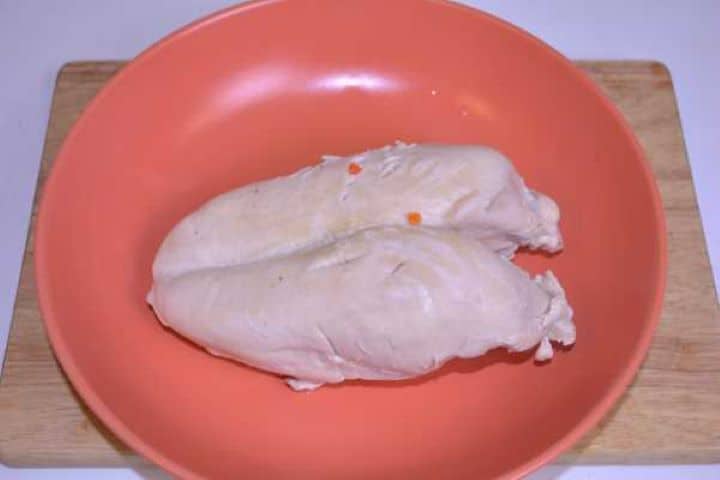
- Lift the chicken out onto a plate to cool slightly. Do not discard the broth-strain and set aside 50 ml of the warm poaching liquid for the gelatin.
2: Prep the Meat & First Blend
- Once cool enough to handle safely, remove and discard the bone, skin, and any cartilage. Cut the cooked meat into rough 1-inch chunks.
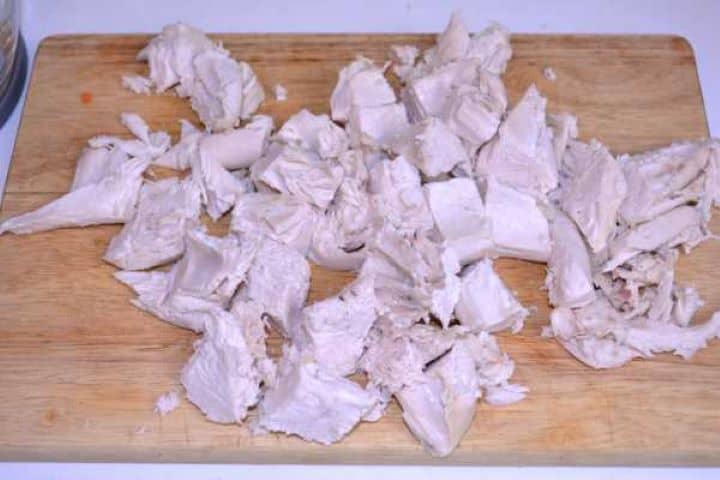
- Transfer the warm chicken pieces directly into an electric food processor or high-speed chopper.
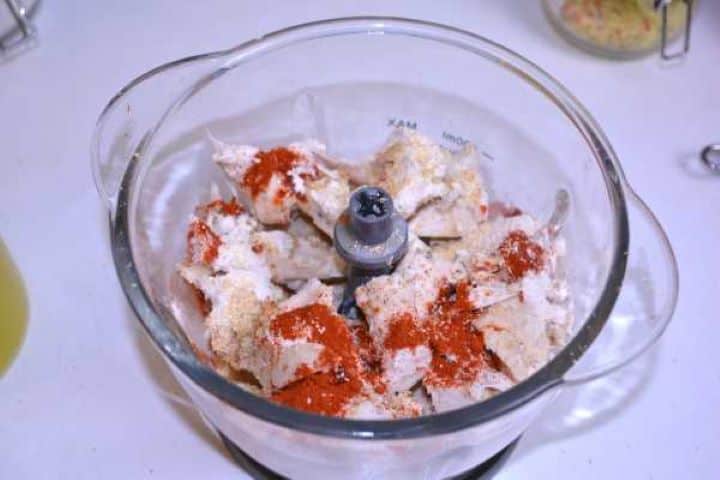
- Add the dry seasonings: 1 teaspoon fine sea salt, 1 teaspoon sweet Hungarian paprika, ¼ teaspoon ground nutmeg, 1 teaspoon onion powder, and ½ teaspoon garlic granules.
- Pulse until the chicken breaks down into a finely textured, crumbly paste.
3: Dissolve Gelatin & Tint the Puree
- Measure 50 ml of warm, strained chicken broth in a small cup. Whisk in 20-24 g of powdered gelatin (2 European sachets or 3 US envelopes) until completely dissolved and free of lumps.
- Grate a piece of boiled beetroot onto a paper towel or through a fine sieve, squeeze firmly, and collect 2 tablespoons of fresh beetroot juice.
- Pour the warm gelatin-broth mixture and the beetroot juice directly over the seasoned chicken in the chopper.
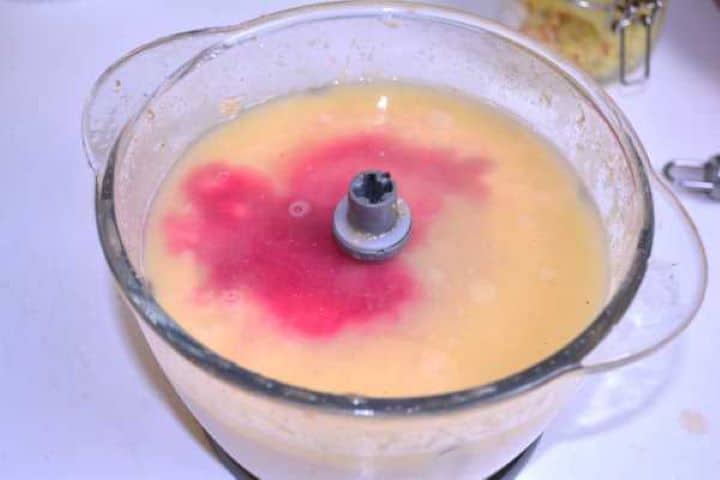
- Blend on high speed for 60 to 90 seconds, stopping to scrape down the sides once, until the mixture transforms into a silky, glossy, and uniformly rosy-pink paste.
Pro Tip: Blend the mixture while the chicken and stock are still slightly warm. Warm liquid allows the gelatin to coat the chicken fibers evenly, guaranteeing a velvety, sliceable texture rather than a grainy one.

4: The Bottle-Molding Technique
- Take an empty, clean 500 ml (16 oz) plastic water bottle. Using a sharp knife or kitchen scissors, carefully cut off the top tapered neck, leaving a smooth, straight-sided cylinder.
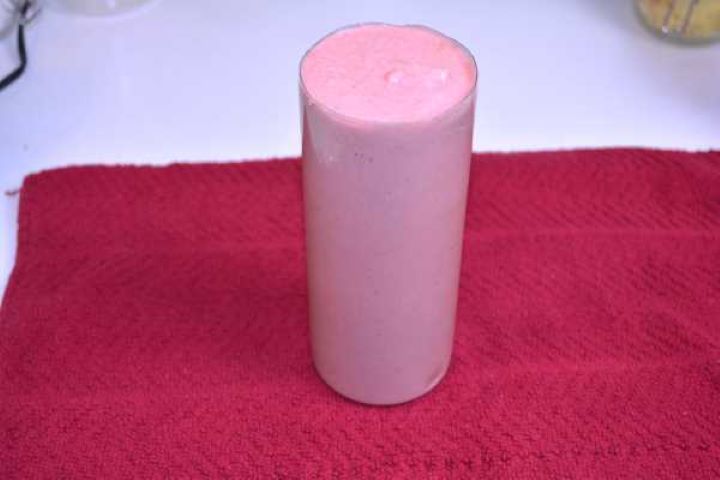
- Spoon the warm chicken paste into the bottle mold, filling it gradually.
- After every few spoonfuls, tap the bottom of the bottle firmly against your kitchen counter (cushioned with a folded tea towel). This forces out trapped air pockets, ensuring your finished salami won't have holes when sliced.
- Smooth the top with the back of a spoon, then cover the open top tightly with plastic cling film.
5: Chill to Set Firmly
- Place the filled bottle upright in the coldest part of your refrigerator.
- Chill for a minimum of 2 hours, though overnight (6 to 8 hours) is best to allow the gelatin matrix to fully lock and set the cold cut firm.
6: Unmold & Slice
- Once fully set, roll the plastic bottle firmly back and forth between your palms on the countertop; the gentle warmth from your hands will release the vacuum seal.
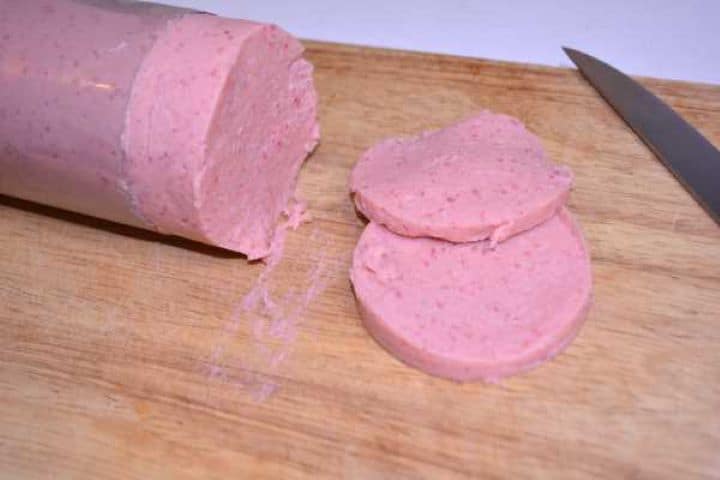
- Invert the bottle and gently squeeze or slide the salami out onto a cutting board. (If it resists, simply use kitchen scissors to make a small snip at the top edge of the plastic and peel the bottle away like a wrapper).
- Use a sharp, non-serrated chef's knife to slice the salami into your desired thickness.
Top Tips for the Best Homemade Chicken Salami
Here are a few practical kitchen secrets to guarantee your poultry cold cut turns out smooth, firm, and easy to slice every single time:
- Blend While Still Warm: Never let the cooked chicken cool completely to room temperature before processing. Pureeing the chicken while it and the reserved broth are pleasantly warm allows the gelatin to coat every meat fiber into a silky, emulsified paste. Cold meat blended with gelatin creates a grainy, gritty texture.
- Firmly Tap Out Air Pockets: As you spoon the warm meat puree into your bottle mold, pack it down in 2 to 3 batches, tapping the base of the bottle firmly against a folded kitchen towel on your countertop. This dislodges trapped air bubbles so your cold cut has a solid, uniform interior when sliced, rather than Swiss-cheese-style holes.
- Strain the Broth Well: Pour the 50 ml of poaching broth through a fine-mesh tea strainer before whisking in the gelatin. This prevents stray peppercorns or herb fragments from sneaking into your smooth deli paste.
- Use Hand Warmth for Painless Unmolding: If the set salami feels vacuum-sealed inside the bottle, do not try to yank it out by force. Simply roll the bottle back and forth between the warmth of your hands for 15-20 seconds, or run a cloth dampened with warm water over the outside. The very thin outer layer of gelatin will release immediately, allowing the roll to slide right out.
- Slice with a Non-Serrated, Sharp Knife: A serrated bread knife will saw through the delicate meat fibers and leave ragged edges. For clean, paper-thin, deli-style rounds, use a long, razor-sharp chef's knife or carving knife, wiping the blade clean between cuts.
- Give It an Overnight Rest: While the salami sets enough to hold its shape after 2 to 3 hours, an overnight chill (6 to 8 hours) in the coldest zone of your fridge lets the gelatin matrix cure fully. The colder and firmer the roll, the thinner and cleaner you can slice it.
How to Serve Homemade Chicken Salami
Because this cold cut is tender, mild, and sliceable, it fits into breakfast, lunchboxes, and casual dinner spreads:
- The Traditional European Breakfast Plate: Cut thick slices of fresh crusty loaf (such as homemade potato bread) and layer with chicken salami, ripe sliced tomatoes, crisp radishes, and salty sheep's milk cheese (telemea or feta).
- The Everyday Sandwich Filler: Layer thinly sliced salami inside a crusty baguette or soft roll spread with butter or Dijon mustard, crisp butterhead lettuce, and sliced pickled cucumbers.
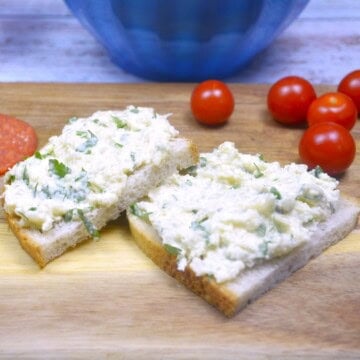
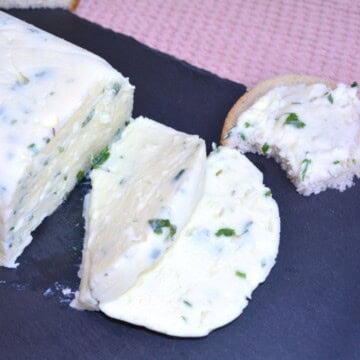
- Cold Appetizer Platter: Arrange thin rounds alongside creamy cold spreads-such as homemade herbed cream cheese or roasted eggplant dip-along with green olives and pickled peppers for an easy weekend starter.
Food Safety & Storage (Preservative-Free Deli Meat)
Commercial cold cuts stay fresh for weeks because they contain synthetic preservatives, sodium nitrates, and sodium erythorbate. Because this recipe uses only natural, fresh ingredients, treat it like cooked poultry:
- Refrigeration: Store the salami in the refrigerator at or below 4°C (40°F). Keep it wrapped tightly in parchment paper or plastic cling film, then place it inside an airtight glass container. It will remain fresh and firm for 4 to 5 days.
- Serving Temperature: Gelatin-set cold cuts are best served straight from the refrigerator. If left at warm room temperature for over an hour, the gelatin will begin to soften. Keep it chilled until you are ready to slice and eat.
- Can You Freeze It? It is best enjoyed fresh. Freezing pureed meat bound with gelatin can disrupt the protein matrix; once thawed, the salami may release liquid (syneresis) and develop a slightly spongy texture. If you must freeze it, slice the roll completely, separate the slices with parchment paper, wrap tightly in foil, and freeze for up to 1 month. Thaw slowly overnight in the refrigerator.
Frequently Asked Questions (FAQ)
Not at all. Two tablespoons of fresh beetroot juice contain enough natural betalain pigments to tint the poultry puree into an authentic deli-pink hue, but the small quantity is completely masked by the savory broth, garlic, paprika, and nutmeg.
A soft or crumbly roll is almost always caused by one of three things:
1. Under-measured gelatin: Ensure you use 20-24 g of powdered gelatin (2 European sachets or 3 US envelopes).
2. Cold liquid during blending: The 50 ml of broth must be warm when whisked with the gelatin and blended with the meat. If the broth is cold, the gelatin clumps instead of coating the pureed meat fibers evenly.
3. Insufficient chill time: The gelatin needs at least 2 hours to firm up, but an overnight rest (6-8 hours) produces the cleanest, thinnest slices.
Gelatin is strongly recommended for this recipe. Agar-agar sets into a brittle, crumbly gel that does not melt at body temperature, which gives poultry puree a stiff, rubbery bite rather than a smooth, sliceable deli texture.
If you prefer not to use a recycled plastic bottle, you have two great alternatives:
- The Cling Film Roll (Ballotine Method): Spoon the warm puree onto a double layer of heavy-duty plastic cling film, roll it into a tight cylinder, twist the ends firmly like a candy wrapper, and knot them.
- Silicone Mold or Straight-Sided Glass Jar: Use a cylindrical silicone mold or a wide-mouth, straight-sided glass jar lined lightly with neutral oil for easy unmolding.
Yes. Boneless, skinless chicken thighs make an even juicier, richer cold cut because of their higher natural fat content. Keep the cooking time and gelatin ratio the same.
More Wholesome Breakfast & Brunch Favorites
If you love building vibrant breakfast platters and weekend brunch spreads, sliced chicken salami pairs wonderfully with both hot sides and cold spreads. Here are a few more of our family-favorite recipes to try:
- Creamy Cauliflower Spread: A velvety, chilled spread that tastes incredible slathered onto crusty rustic bread right beneath a few slices of chicken salami and fresh cherry tomatoes.
- Grilled Eggplant Dip (Salată de Vinete): Smoky, silky, and an absolute staple on our breakfast table alongside sliced cold cuts, feta cheese, and ripe summer vegetables.
- Scrambled Eggs with Onion and Bacon: The ultimate savory weekend breakfast when you want a warm, hearty skillet dish to accompany your fresh deli rolls.
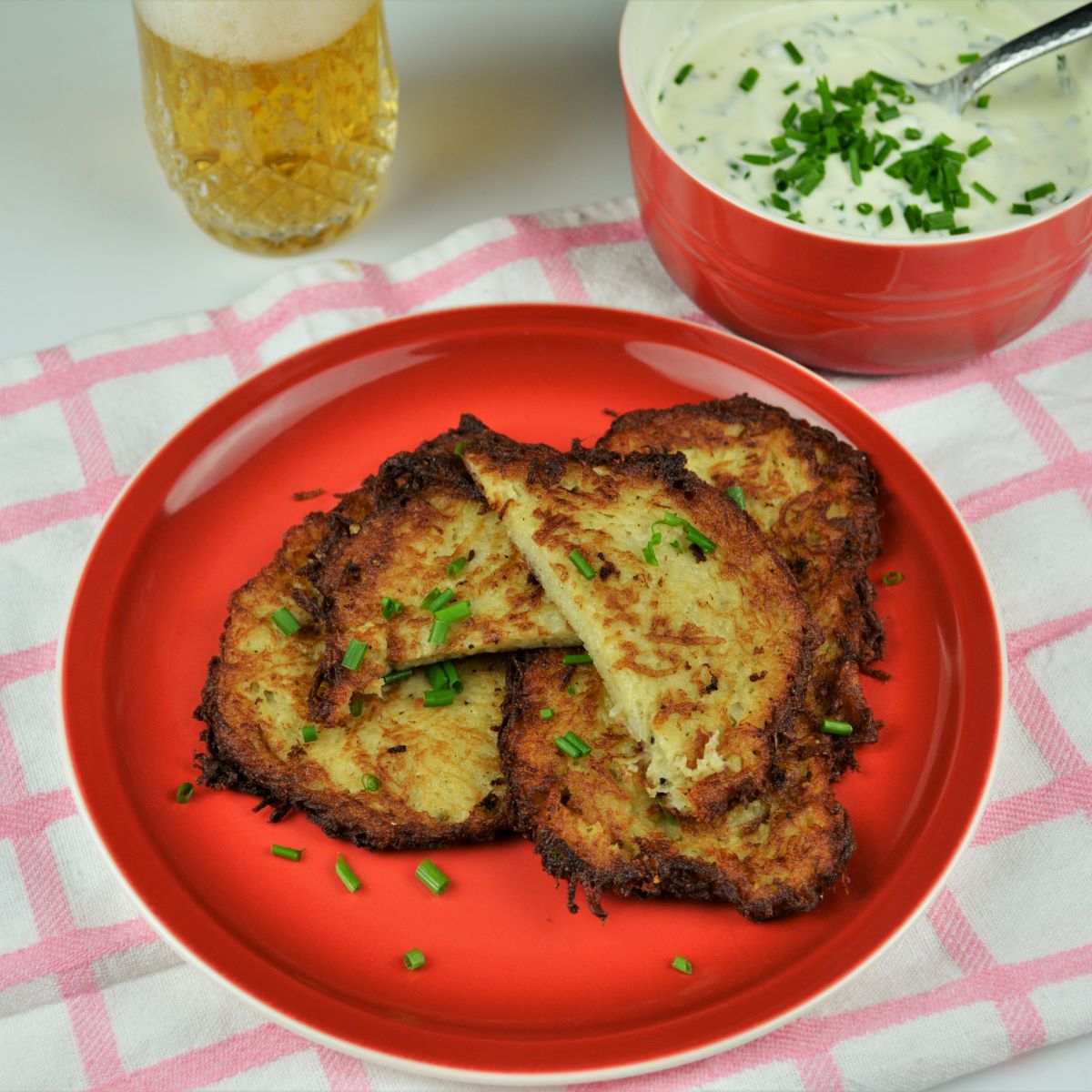
- Crispy Homemade Hash Browns: Golden on the outside and tender inside-perfect for rounding out a complete family brunch board.
Connect With Us & Share Your Creations!
Did you make this homemade chicken salami? We'd love to see how it turned out! Snap a picture of your breakfast board or lunchbox sandwiches and tag us on Instagram or Facebook so we can share it with our community.
To make sure you never miss a new family recipe, subscribe to our YouTube channel for step-by-step video tutorials, and save this recipe to your favorite boards on Pinterest so you always have it ready for your next meal prep!

Easy Homemade Chicken Salami Recipe (Preservative-Free)
Equipment
- 1 Soup Pot medium
- 1 electric food processor or high-speed chopper
- 1 fine-mesh tea strainer
- 1 empty 500 ml (16 oz) plastic bottle or cylindrical silicone mold
- 1 Sharp Chef's Knife
Ingredients
For Poaching the Chicken
- 500 g chicken breast bone-in
- 1.5 tablespoon vegetable mix for soups
- 1 teaspoon peppercorns whole, black
- 1 piece bay leaf
- 1 teaspoon garlic granules or garlic powder
- 1.5 l Cold water enough to submerge the chicken
For the Salami Paste & Setting
- 1 teaspoon sea salt fine, adjust to taste
- 1 teaspoon paprika sweet Hungarian
- ¼ teaspoon nutmeg ground
- 1 teaspoon onion powder or granules
- ½ teaspoon garlic granules or powder
- 24 g gelatine approx. 2 European sachets or 3 US envelopes / 2½ level tablespoons
- 50 ml chicken broth warm, strained from the poaching pot
- 2 tablespoon beetroot juice squeezed from grated boiled beetroot
Instructions
Step 1: Poach the Chicken & Infuse Broth
- Place the bone-in chicken breast into a soup pot with the dried vegetable soup mix, black peppercorns, bay leaf, and 1 teaspoon of garlic granules.
- Pour in enough cold water to fully cover the meat by at least an inch.
- Bring to a gentle boil over medium heat, then simmer uncovered for 30 minutes until the chicken is tender and thoroughly cooked through.
- Transfer the chicken onto a plate to cool slightly. Strain the poaching broth through a fine-mesh sieve and reserve 50 ml of the warm liquid.
Step 2: Season & Puree
- Remove and discard the bone, skin, and cartilage from the chicken breast, then cut the warm meat into rough 1-inch chunks.
- Transfer the warm chicken pieces into an electric food processor or chopper along with the sea salt, sweet Hungarian paprika, nutmeg, onion powder, and ½ teaspoon garlic granules.
- Pulse until the chicken breaks down into a finely textured, crumbly paste.
- In a small cup, stir the 20-24 g of powdered gelatin into the 50 ml of warm reserved broth until completely dissolved.
- Pour the warm gelatin-broth mixture and the 2 tablespoons of beetroot juice into the processor over the chicken.
- Blend on high speed for 60 to 90 seconds until the mixture transforms into a silky, homogeneous, rosy-pink paste.
Step 3: Mold, Chill & Slice
- Prepare a clean, empty 500 ml plastic bottle by carefully cutting off the tapered neck to create a straight-sided cylinder.
- Spoon the warm chicken paste into the bottle, tapping the base firmly against a counter cushioned with a towel after every few spoonfuls to force out trapped air bubbles.
- Smooth the top surface with the back of a spoon and seal tightly with plastic cling film.
- Chill in the refrigerator for at least 2 hours (overnight for 6-8 hours yields the firmest, cleanest slices).
- To unmold, roll the bottle back and forth between your warm palms for 15-20 seconds to break the vacuum seal, then slide the salami out onto a cutting board. (If needed, make a small snip at the top edge of the plastic and peel it away).
- Slice thinly using a sharp, non-serrated chef's knife and serve chilled.
Video
Notes
- Gelatin Accuracy: Use 20-24 g of powdered gelatin. In Europe, this is typically 2 sachets (10-12 g each); in the US, use 3 Knox envelopes (7 g each).
- Blend While Warm: Blending the chicken while it and the stock are still warm is vital so the gelatin coats the meat fibers evenly, preventing a grainy finish.
- Storage: Keep wrapped tightly in parchment or plastic film inside an airtight container in the fridge for up to 4-5 days. Best served chilled straight from the refrigerator.
- Alternative Meats: You can substitute boneless turkey breast or lean pork tenderloin for the chicken. If using pork, simmer for 40-45 minutes until fork-tender.
Nutrition
This post contains affiliate links. Read the full disclosure here.
We are going to make this today! Thanks for the recipe.
I hope you love it! Be sure to let me know how it turns out.