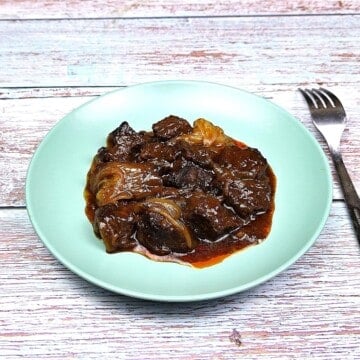

If you are looking for a quick, hearty meal packed with rich, sunny flavor, this authentic Hungarian vegetable stew with eggs-known traditionally as Tojásos Lecsó-is about to become your new weeknight favorite. Built on a sweet foundation of wax peppers, ripe tomatoes, onions, and vibrant Hungarian paprika, this rustic stew simmers together in under 30 minutes. Gently folding lightly beaten eggs into the warm vegetables right at the end creates a luscious, marbled texture that turns a simple summer side dish into a cozy, protein-packed main course best enjoyed with fresh, crusty bread.

Jump to:
- Why You'll Love This Recipe
- Ingredients & Expert Prep Tips
- 3 Secrets to Perfect Tojásos Lecsó
- Prefer to watch and cook along?
- How to Make Tojásos Lecsó
- Top Tips for the Best Tojásos Lecsó
- Flavorful Variations of Hungarian Lecsó
- How to Serve Vegetable Stew with Eggs
- How to Store and Reheat
- Frequently Asked Questions About Hungarian Lecsó
- More Hungarian Comfort Food & Meatless Recipes to Try
- Join the Timea's Kitchen Community!
- Related
- Authentic Hungarian Vegetable Stew with Eggs (Tojásos Lecsó)
Why You'll Love This Recipe
One of the best things about traditional Hungarian lecsó is its versatility. In its simplest form, this paprika-infused vegetable stew makes a vibrant side dish for grilled meats or crispy breaded cutlets. But when you swirl in beaten eggs-or add rice or potatoes-it transforms into a deeply satisfying, protein-packed main course.
(If you love rich, savory stews, be sure to also check out my reader-favorite Hungarian Pork Pepper Stew!)
Ingredients & Expert Prep Tips
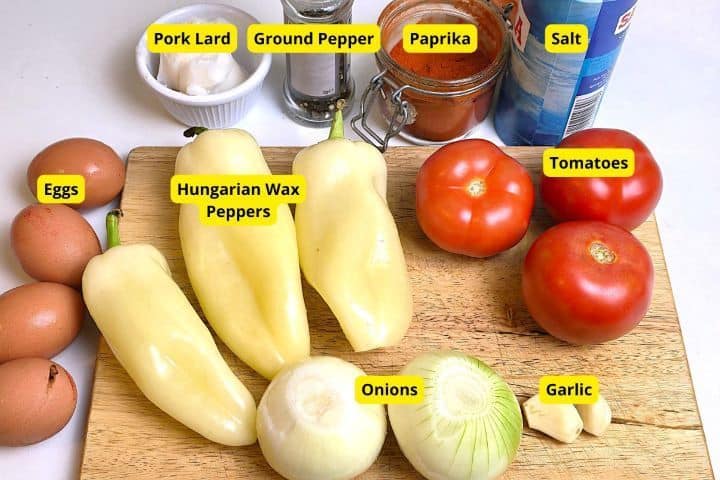
Traditional Hungarian vegetable stew with eggs relies on simple, fresh ingredients cooked with care. Here is what you will need, along with a few quick tips to get the absolute best flavor out of each component:
- Hungarian Wax Peppers (3 medium): These yellow-green peppers give lecsó its distinctive crispness and subtle heat. If you cannot find Hungarian wax peppers (often labeled TV paprika in European markets), banana peppers, Cubanelles, or sweet yellow bell peppers make excellent substitutes.
- Ripe Tomatoes (3 large): In-season, juicy tomatoes work best (such as Roma or plum tomatoes). As they break down, their natural juices form a rich, sweet sauce without needing to add extra water.
- Onions (2 medium): Slice them thinly into half-moons instead of chopping them. Sliced onions melt evenly into the lard, creating a silky, naturally sweet base for the stew.
- Fresh Garlic (2 cloves): Mincing or pressing fresh garlic adds an aromatic bite that rounds out the paprika base.
- Pork Lard (2 tablespoons): Traditional Hungarian cooking uses rendered pork lard for a deep, savory richness. For a lighter or vegetarian version, substitute high-quality sunflower or vegetable oil (avoid olive oil, as its low smoke point can alter the authentic flavor profile).
- Sweet Hungarian Paprika (2 teaspoons): The heart of the dish! Use genuine, fresh sweet Hungarian paprika for vibrant red color and a rich, earthy flavor.
- Eggs (4 large, free-range): Lightly beat the eggs in a bowl before adding them to the pan. Free-range eggs provide a richer flavor and a beautiful golden color.
- Seasoning: 2 teaspoons of sea salt and 1 teaspoon of freshly ground black pepper to elevate the natural sweetness of the vegetables.
3 Secrets to Perfect Tojásos Lecsó
- 1. Protect the Paprika: Sweet paprika burns easily if exposed to high heat in dry fat, which makes it turn bitter. Always sprinkle the paprika over the softened onions and peppers, give it a quick stir to coat, and immediately add the juicy tomatoes to release liquid.
2. The Gentle Egg Technique: To get soft, marbled ribbons of egg instead of hard scrambled curds, turn the heat down to low before pouring in the lightly beaten eggs. Fold them through the simmering stew with gentle strokes, and remove the pan from heat as soon as they are softly set.
3. Don't Peel the Tomatoes: Keeping the peels on helps the tomatoes hold their shape while simmering, adding great texture to the final stew.
Prefer to watch and cook along?
Check out our quick step-by-step video tutorial below to see this authentic vegetable stew with eggs come together in real time! You'll get a close-up look at how thinly to slice the wax peppers and onions, plus the exact visual cue for when to fold in the beaten eggs so your Tojásos Lecsó turns out perfectly silky every single time.
How to Make Tojásos Lecsó
1. Prep the Vegetables and Eggs
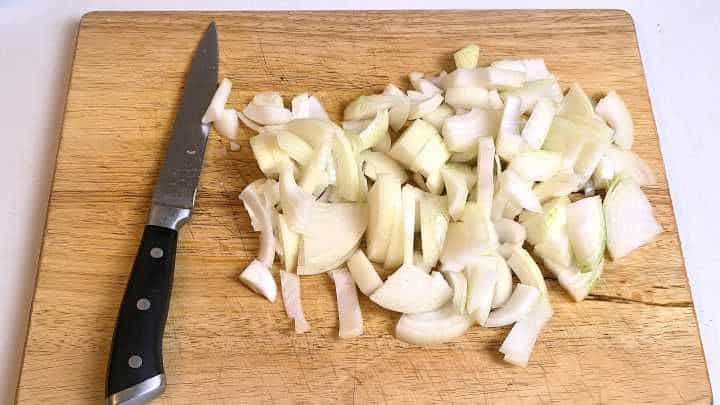
- Slice the onions thinly into half-moons so they melt into the base during cooking.
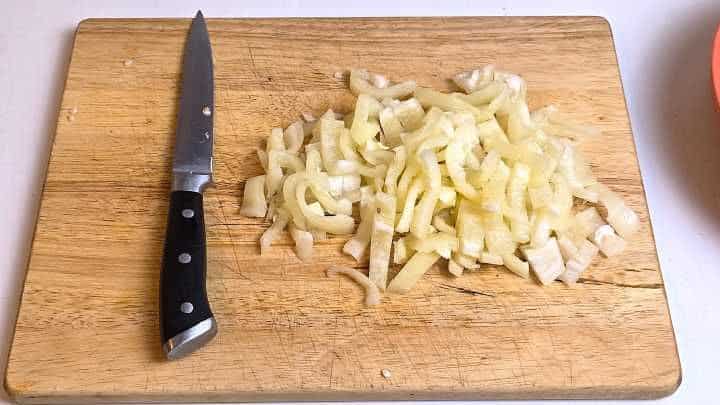
- Cut the Hungarian wax peppers into bite-sized rings or strips, and slice the cored tomatoes into thick wedges.
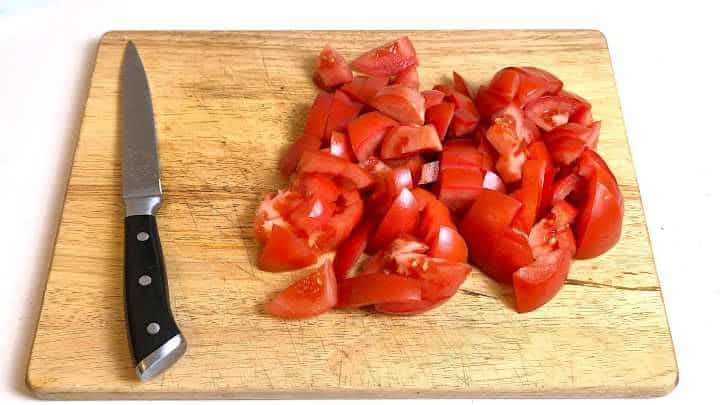
- Crack the eggs into a small bowl and lightly beat them with a fork until the yolks and whites are just blended.

2. Sauté the Aromatic Base
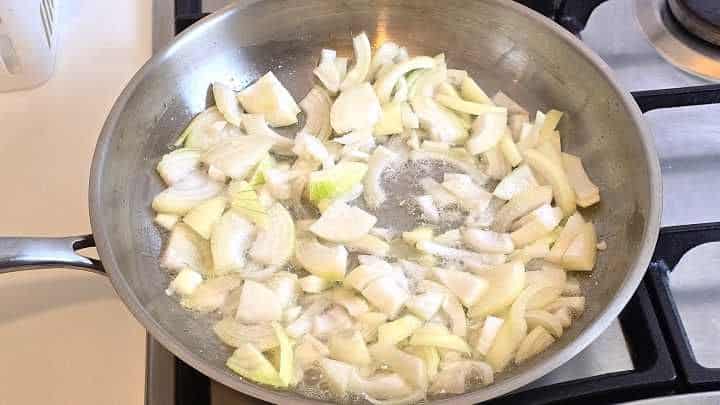
- Melt the pork lard (or heat sunflower oil) in a large frying pan over medium heat. Add the sliced onions and cook for about 5 minutes, stirring occasionally, until soft and translucent. Stir in the minced garlic and sauté for 30 seconds until fragrant.
3. Soft-Cook the Peppers
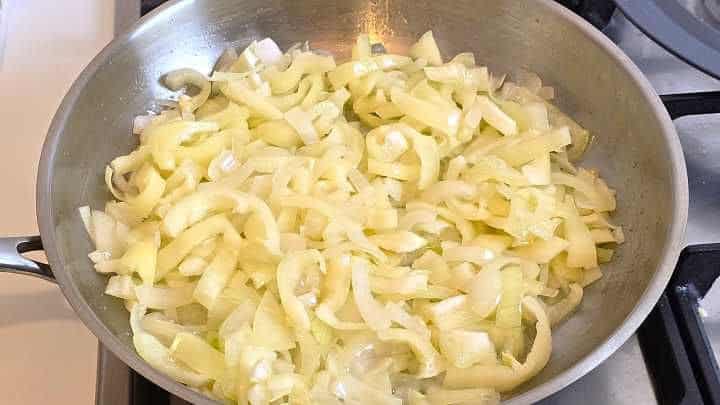
- Add the sliced wax peppers to the pan. Season with 1 teaspoon of sea salt, then cover the pan with a lid. Cook over medium-low heat for 5 minutes, stirring once or twice, to help the peppers release their moisture and soften evenly.
4. Bloom the Sweet Paprika
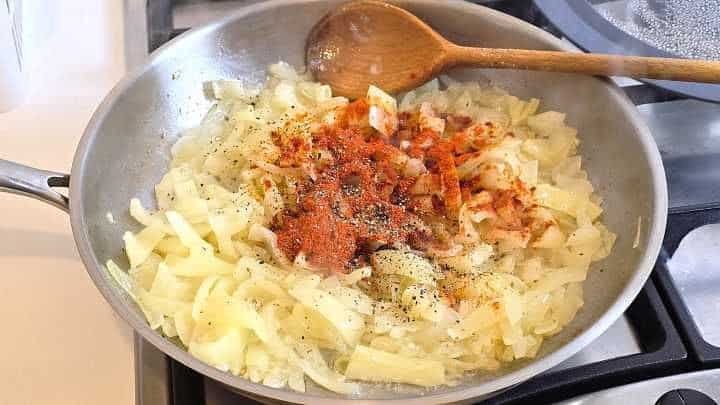
- Remove the lid, turn the heat down to low, and sprinkle in 1 teaspoon of freshly ground black pepper and 2 teaspoons of sweet Hungarian paprika. Stir quickly for 30 seconds to coat the warm vegetables in fat, taking care not to let the paprika burn.
5. Add the Tomatoes and Simmer
- Gently fold in the thick tomato wedges. Cover and simmer over low heat for 5 minutes until the tomatoes break down and release their juices.
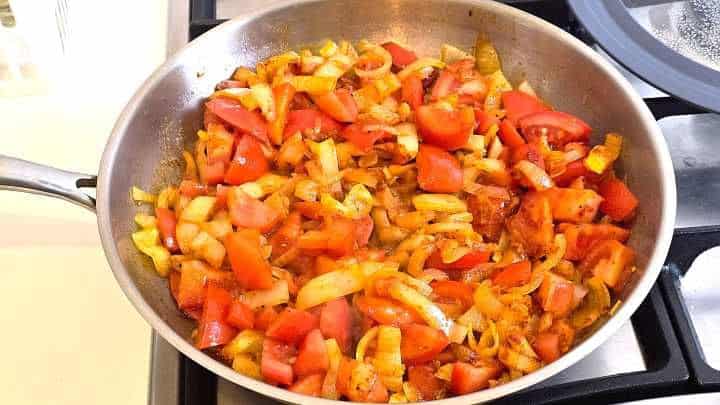
- Uncover the pan and continue simmering for another 3 to 5 minutes so the extra liquid evaporates into a rich, thick sauce. (If the pan looks too dry at any point, splash in up to 100 ml of warm water).
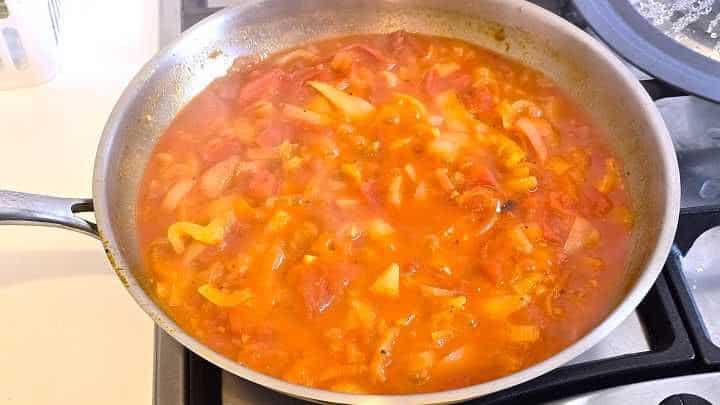
6. Swirl in the Eggs and Serve
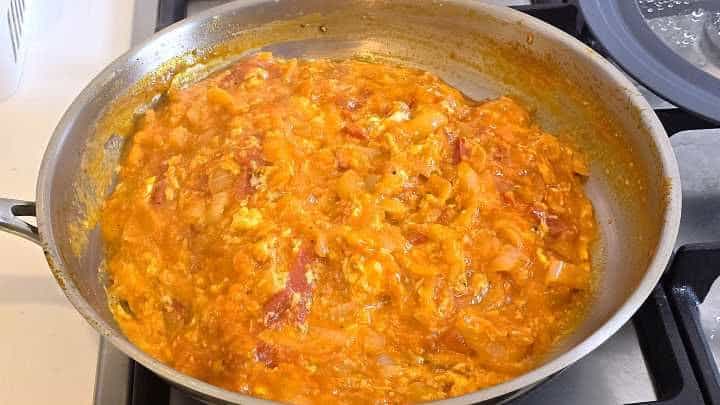
- Keep the heat on low and slowly pour the beaten eggs over the simmering vegetable stew. Using a wooden spoon, gently fold the eggs into the sauce in wide, sweeping motions to form silky, marbled ribbons.

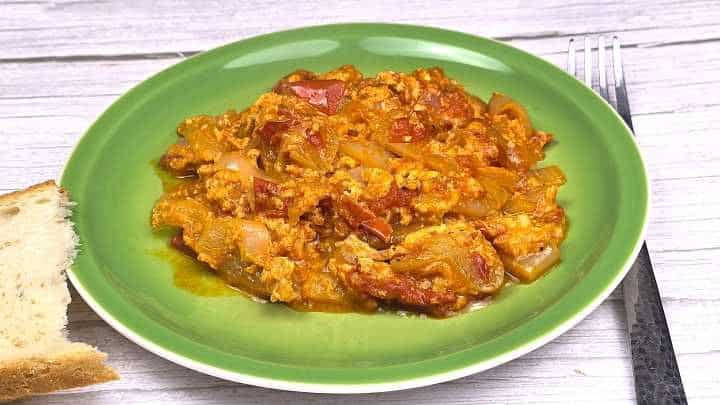
- Remove the pan from the heat as soon as the eggs are soft-set, and serve immediately with fresh crusty bread.
Top Tips for the Best Tojásos Lecsó
- 1. Slice the Onions Thinly, Don't Dice Them
Slicing onions into thin half-moons allows them to melt smoothly into the warm lard, creating a naturally sweet, silky gravy. Diced onions tend to stay chunky and won't give you that authentic sauce consistency.
2. Bloom Paprika in Fat, But Don't Let It Burn
Sweet Hungarian paprika needs warm fat (lard or oil) to release its rich flavor and vibrant red color. However, paprika burns in seconds on high heat and turns bitter. Always lower your heat before adding the paprika, stir quickly, and fold in the juicy tomatoes immediately to create liquid.
3. Choose the Right Peppers
Authentic lecsó gets its signature mild tangy flavor from yellow Hungarian wax peppers (TV paprika). If you can't find them, banana peppers or Cubanelles are far better substitutes than green bell peppers, which can be too bitter and thick-skinned.
4. Use Residual Heat for Creamy, Silky Eggs
The secret to marbled, luscious eggs is gentle heat. Whisk your eggs lightly-just enough to blend yolk and white-and pour them over low heat. Fold them into the stew in wide, slow motions, and kill the heat while they still look slightly soft. The pan's residual heat will finish cooking them without turning them dry or rubbery.
5. Adjust the Consistency Without Water
In-season, ripe summer tomatoes will release plenty of juice to cook the peppers. Let the stew simmer uncovered during the last 5 minutes so the extra liquid reduces into a thick glaze. Only add a splash of warm water if your tomatoes are out of season and drier than usual.
Flavorful Variations of Hungarian Lecsó
While adding eggs turns this vegetable stew into a fast, protein-rich main dish, lecsó is famously customizable. Here are a few classic ways to adapt the base recipe:
- Lecsó with Potatoes (Krumplis Lecsó): Dice 3 to 4 medium potatoes into small cubes and add them into the pan right alongside the peppers. Simmer with a splash of water until the potatoes are fork-tender before folding in your eggs.
- Lecsó with Rice (Rizses Lecsó): Stir 1 cup of white rice into the simmering vegetable base with a splash of extra water or broth. Cover and cook over low heat until the rice absorbs the rich tomato juices, creating a hearty one-pan meal.
- Lecsó with Sausage (Kolbászos Lecsó): For extra meatiness, slice smoky Hungarian paprika sausage (gyulai or csabai) or smoked bacon. Fry it in the pan alongside the onions to render out its savory, seasoned oil before adding the peppers.
How to Serve Vegetable Stew with Eggs
Because the eggs add protein and richness, Tojásos Lecsó is a complete, satisfying meal all on its own.
- Thick Crusty Bread: The absolute traditional way to enjoy lecsó is served warm in a shallow bowl with thick slices of fresh white bread or sourdough. The bread is essential for soaking up every drop of the silky, paprika-infused tomato sauce.
- Optional Toppings: Top each bowl with a spoonful of cold Hungarian sour cream (tejföl) and a sprinkle of chopped fresh parsley or chives for a bright, creamy contrast.
- Lighter Pairing: Serve alongside a simple, crisp green salad dressed with a light lemon vinaigrette to balance the savory paprika base.

How to Store and Reheat
- Refrigerating: Allow the cooked stew to cool completely to room temperature. Transfer it into an airtight glass container and store it in the refrigerator for up to 3 days.
- Reheating: Warm the stew gently in a small pan over low heat, stirring occasionally. If the sauce has thickened in the fridge, add 1 to 2 tablespoons of warm water to loosen it up. Avoid overheating in a high-power microwave, as extreme heat will overcook the soft eggs and make them rubbery.
Can You Freeze Lecsó with Eggs?
While the basic vegetable stew (peppers, onions, tomatoes, and paprika) freezes exceptionally well for up to 6 months, we do not recommend freezing Lecsó after adding the eggs. Freezing cooked eggs breaks down their cellular structure, causing them to release water and turn rubbery when thawed. If you want to freeze batch meals, freeze the vegetable base on its own, then thaw and fold fresh eggs into the hot stew right before serving!
Frequently Asked Questions About Hungarian Lecsó
Traditional Hungarian Lecsó is a rustic vegetable stew built on three core ingredients: yellow wax peppers, ripe tomatoes, and onions cooked in pork lard and heavily seasoned with sweet Hungarian paprika. Adding eggs at the end transforms the basic stew into Tojásos Lecsó, a protein-packed meal.
If authentic Hungarian wax peppers (TV paprika) are unavailable, banana peppers, Cubanelle peppers, or sweet yellow bell peppers make the best substitutes. They closely mimic the mild heat, sweet flavor, and thin skin of traditional Hungarian peppers without overpowering the dish.
While both are classic summer vegetable stews, French Ratatouille features eggplant, zucchini, bell peppers, tomatoes, and herbs cooked in olive oil. Hungarian Lecsó relies strictly on peppers, tomatoes, and onions cooked in pork fat or oil, with sweet paprika acting as the primary flavor agent.
To get soft, silky ribbons instead of hard scrambled eggs, reduce the burner heat to low before pouring in your lightly beaten eggs. Use a wooden spoon to gently fold the eggs through the hot vegetable stew in wide, slow motions, and immediately remove the pan from heat once softly set.
Yes, Tojásos Lecsó is naturally low-carb, keto-friendly, gluten-free, and packed with vitamins A and C from fresh peppers and tomatoes. Adding eggs introduces healthy fats and high-quality protein, making it a wholesome, nutrient-dense main dish.

More Hungarian Comfort Food & Meatless Recipes to Try
If you love easy, flavor-packed meals, here are a few reader-favorite recipes from our kitchen to try next:
- Authentic Hungarian Mushroom Paprikash (Gombapaprikás) - A rich, creamy vegetarian stew smothered in sweet Hungarian paprika sauce, perfect served over pasta or egg noodles (nokedli).
- Transylvanian Mashed Beans (Fasole Bătută) - A savory, garlic-infused bean dish topped with deeply caramelized onions, ideal for spreading over warm bread.
- Quick Creamed Spinach Recipe - A 15-minute garlic-braised spinach side dish that pairs wonderfully with fried or boiled eggs.
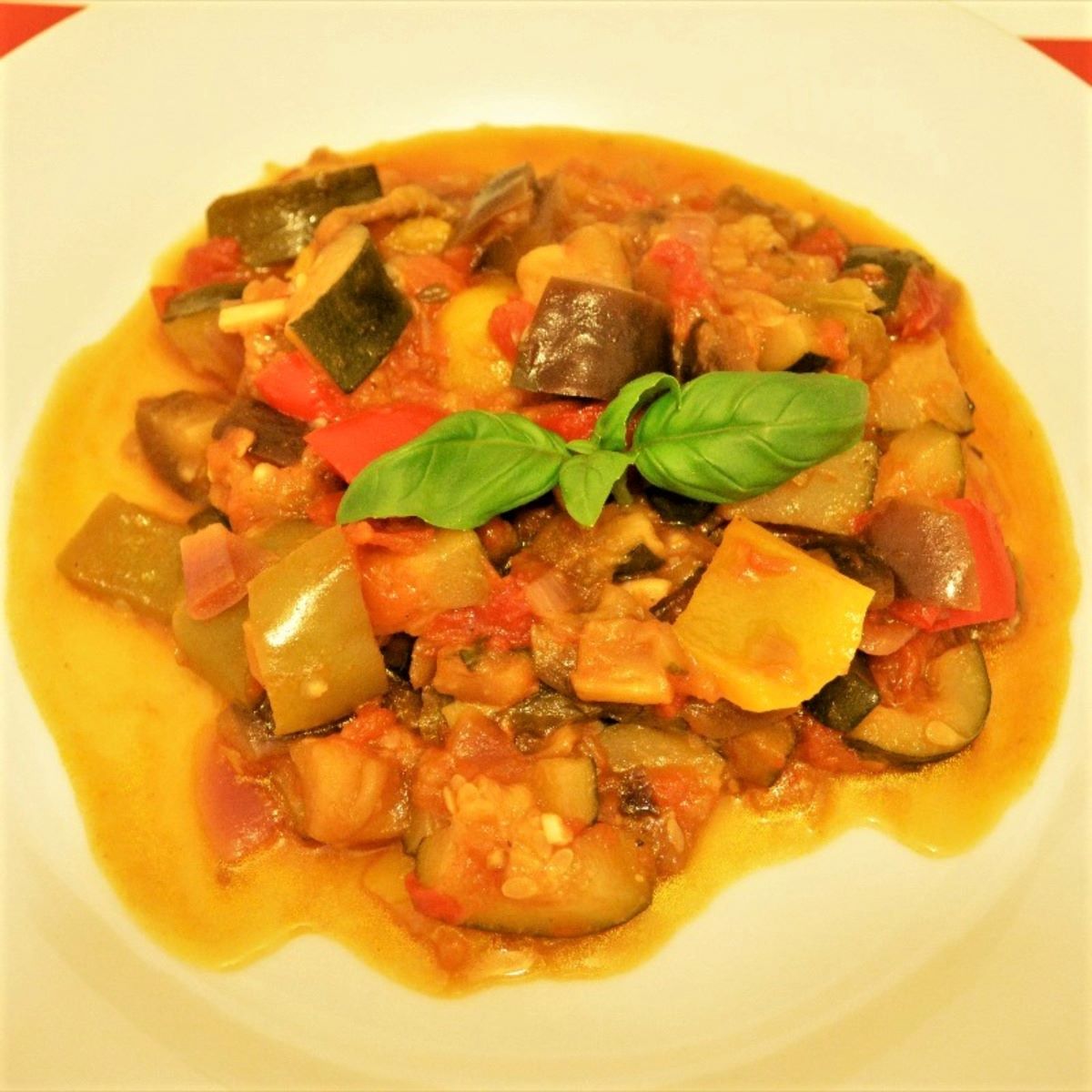
- World's Best Ratatouille Recipe - The famous French vegetable cousin of lecsó, loaded with fresh zucchini, eggplant, tomatoes, and summer herbs.
Looking for a hearty meat option?
If you enjoy the sweet pepper and paprika flavors in this dish, be sure to check out our Hungarian Pork Pepper Stew or rich Creamy Pork and White Bean Stew for a cozy one-pot dinner!
Join the Timea's Kitchen Community!
Craving more authentic Hungarian recipes and cozy kitchen inspiration? We'd love for you to cook along with us! Follow us on Facebook and Instagram for daily recipe ideas and behind-the-scenes updates, pin this dish on Pinterest to save it for later, and subscribe to our YouTube channel for step-by-step video tutorials. If you give this Tojásos Lecsó a try, leave a star rating and comment below, or tag us in your photos-we always love seeing what you're making in your kitchen! Happy cooking!
Related
Looking for other delicious meatless stew recipes? Try these:


Authentic Hungarian Vegetable Stew with Eggs (Tojásos Lecsó)
Equipment
- 1 Large Frying Pan with lid
- 1 wooden spoon or Spatula
- 1 chopping board
- 1 Small Bowl for beating eggs
Ingredients
Base Vegetables & Fats:
- 2 pcs onions medium-size, thinly sliced into half-moons
- 2 pcs garlic cloves fresh, minced or pressed
- 3 pcs wax peppers Hungarian, sliced into bite-sized rings or strips
- 3 pcs tomatoes ripe, cut into thick wedges
- 2 tablespoon pork lard or sunflower / vegetable oil
Seasonings:
- 1 teaspoon ground pepper freshly ground
- 2 teaspoon sweet paprika powder Hungarian
- 2 tsp sea salt kosher, to taste
Eggs:
- 4 pcs eggs free-range, lightly beaten
Instructions
- Prep the Ingredients: Slice the onions thinly into half-moons. Cut the Hungarian wax peppers into bite-sized rings, and slice the cored tomatoes into thick wedges. In a small bowl, crack the 4 eggs and beat lightly with a fork until the yolks and whites are just combined.
- Sauté the Onions and Garlic: Melt the pork lard (or heat sunflower oil) in a large frying pan over medium heat. Add the sliced onions and sauté for 5 minutes until soft and translucent. Stir in the minced garlic and cook for 30 seconds until fragrant.
- Soft-Cook the Peppers: Add the sliced wax peppers to the pan and season with 1 teaspoon of sea salt. Cover with a lid and cook over medium-low heat for 5 minutes, stirring occasionally.
- Bloom the Paprika: Reduce heat to low, remove the lid, and sprinkle in the remaining salt, black pepper, and sweet Hungarian paprika. Stir rapidly for 30 seconds to coat the vegetables in the fat without burning the paprika.
- Add Tomatoes and Simmer: Gently fold in the tomato wedges. Cover and simmer over low heat for 5 minutes until the tomatoes soften. Uncover and simmer for an additional 3 to 5 minutes so the extra juices evaporate into a thick sauce. (If dry, add a splash of warm water).
- Swirl in Eggs & Serve: Keep heat on low and slowly pour the beaten eggs over the simmering stew. Use a wooden spoon to gently fold the eggs into the sauce in wide, sweeping motions until softly set into marbled ribbons. Remove from heat immediately and serve hot with fresh, crusty bread.
Video
Notes
- Egg Technique: Do not scramble the eggs aggressively. Gentle folding over low heat keeps them soft, creamy, and marbled throughout the vegetable sauce.
- Pepper Substitutes: If Hungarian wax peppers (TV paprika) are unavailable, banana peppers, Cubanelles, or sweet yellow bell peppers work great.
- Variations: Add diced potatoes (Krumplis Lecsó), white rice (Rizses Lecsó), or smoked Hungarian sausage (Kolbászos Lecsó) during step 3 for extra volume.
Nutrition
This post contains affiliate links. Read the full disclosure here.