
Growing up in Transylvania, some of the most comforting meals I learned to cook were the simplest ones. While many might look for a basic turkey fried rice, in our home, this hearty one-pot dish has always been known as rizses hús-or orez cu carne in Romanian. It is a cherished, old family recipe passed down from my parents and grandparents, and it remains a staple that I make frequently for Laci and the kids today.
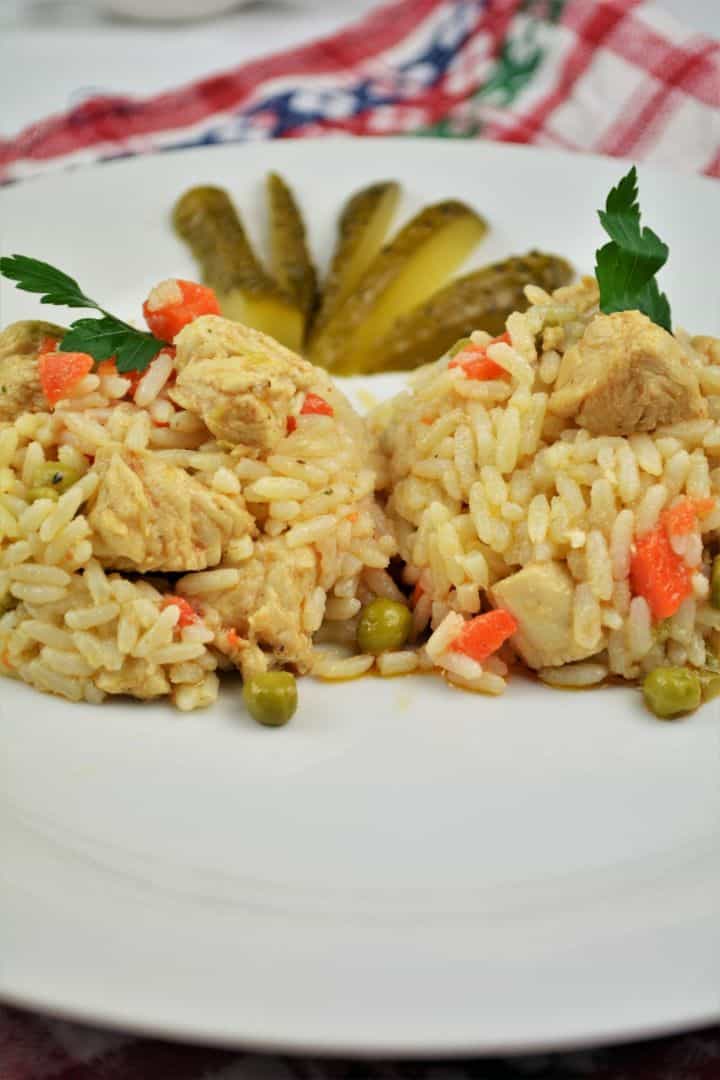
Instead of quickly tossing precooked rice in a hot pan, this traditional Hungarian turkey and rice involves gently simmering the meat, vegetables, and rice together so every single grain absorbs those rich, savory flavors. It is an authentic, incredibly easy family meal that brings a true piece of our heritage right to the dinner table.
Jump to:
- Why You Will Love This Traditional Rizses Hús
- Key Ingredients for Authentic Hungarian Turkey and Rice
- Substitutions and Variations
- Prepare the Ingredients
- How to Make Rizses Hús (Step-by-Step Overview)
- Expert Tips for the Perfect One-Pot Rice
- What to Serve with Orez cu Carne
- Storage and Reheating Instructions
- Frequently Asked Questions (FAQ)
- More Family-Favorite Turkey Recipes to Try
- Join Our Kitchen Community!
- Related Turkey Recipes
- Hungarian Turkey and Rice (Authentic Rizses Hús)
Why You Will Love This Traditional Rizses Hús
This isn't your standard takeout fried rice. In Hungarian and Transylvanian cooking, rizses hús (which translates simply to "meat with rice") is a beloved comfort food built on a rich, stew-like base. It is essentially a beautiful cross between a savory turkey pörkölt (stew) and a fluffy pilaf.
Cooking the rice directly in the same pot means every single grain soaks up the savory juices from the turkey, the sweetness of the onions and carrots, and the vibrant color of the paprika. It is an inexpensive, one-pot wonder that saves on washing up, feeds a hungry family effortlessly, and reheats beautifully for lunch the next day.
Key Ingredients for Authentic Hungarian Turkey and Rice
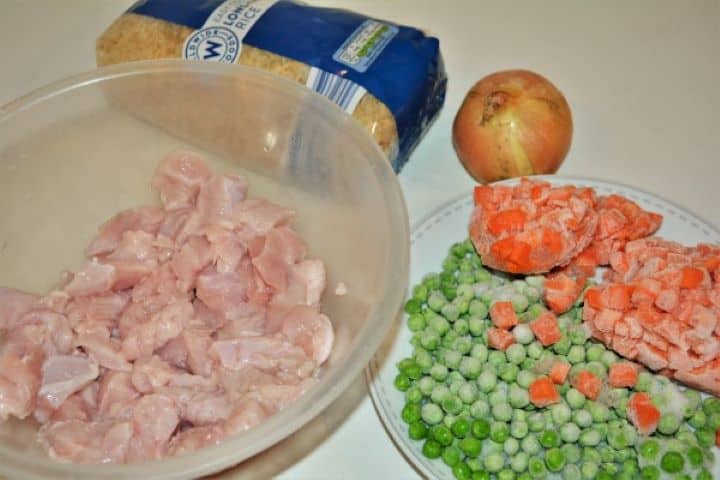
To keep this dish tasting exactly like the one my parents and grandparents made, we rely on a few pantry staples and simple ingredients. The exact quantities are in the recipe card below, but here is what you will need:
- Turkey: Diced turkey breast is perfect for this. It is lean, cooks quickly, and takes on the flavors of the paprika base beautifully.
- White Rice: A standard long-grain or medium-grain white rice works best. Avoid minute rice; the magic happens when raw rice absorbs the seasoned liquid in the pot.
- Vegetables: A fresh onion creates the aromatic base, while frozen carrots and frozen peas add color, sweetness, and make the prep work incredibly fast.
- Seasoning: High-quality sweet Hungarian paprika is non-negotiable for authentic flavor and that gorgeous reddish-golden hue. We also use sea salt and a traditional vegetable mix for soups (a staple in Transylvanian and Romanian kitchens!) to give the dish a deep, savory broth flavor.
- Cooking Fat: Sunflower oil is the classic, neutral choice used in Central European homes.
- Liquid: Just hot water is needed, as the vegetable soup mix will instantly create a rich, flavorful broth as it cooks.
Substitutions and Variations
One of the best things about rizses hús is how adaptable it is. If you need to make a few tweaks based on what you have in the fridge, here are some traditional swaps:
- Different Meats: If you don't have turkey breast, this recipe works flawlessly with diced pork shoulder or chicken breast. In fact, pork is often the most traditional choice in Hungary and Transylvania-very similar to the base of our classic pork tenderloin stew!
- Fresh vs. Frozen Vegetables: I love the convenience of frozen carrots and peas, but you can absolutely use fresh. Just be sure to dice the fresh carrots finely so they cook through in the same amount of time as the rice.
- Vegetable Mix Substitute: If you do not have a Central European vegetable soup mix in your pantry, you can substitute the hot water in this recipe with an equal amount of hot chicken stock or turkey broth.
- The Cooking Fat: For a richer, more old-fashioned countryside flavor, you can swap the sunflower oil for a spoonful of traditional pork lard. I do not recommend olive oil, as its strong Mediterranean flavor changes the authentic profile of the dish.
Prepare the Ingredients
Before we start cooking, it helps to have everything chopped, measured, and ready to go by the stove.
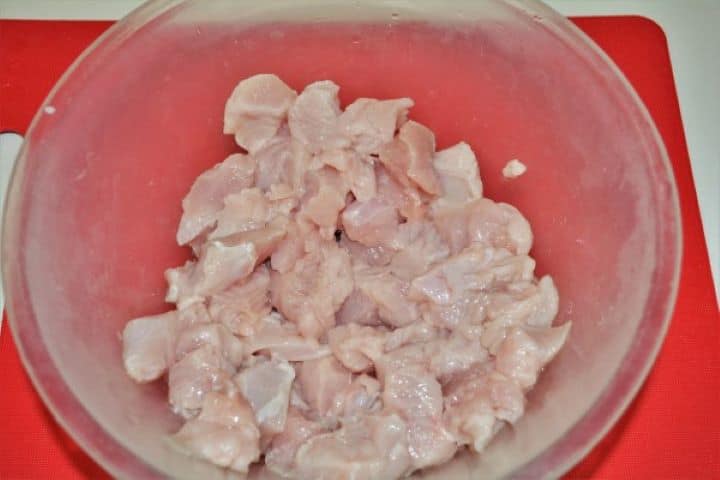
- The Meat: Pat the turkey breast dry and cut it into uniform, bite-sized cubes so they cook evenly
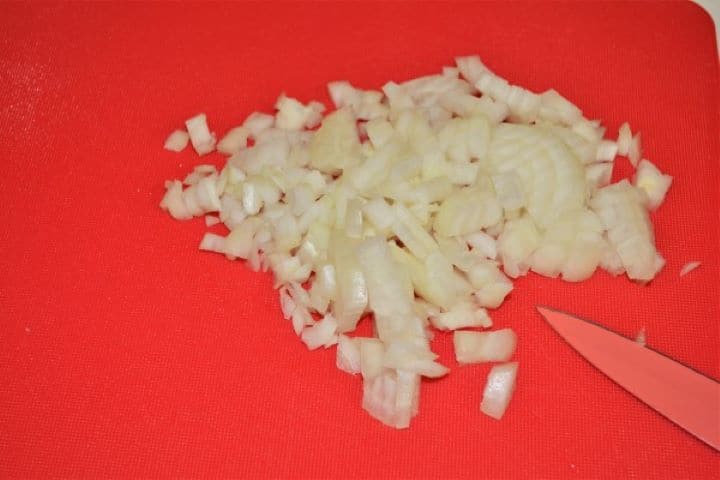
- The Onion: Peel and finely chop the fresh onion.
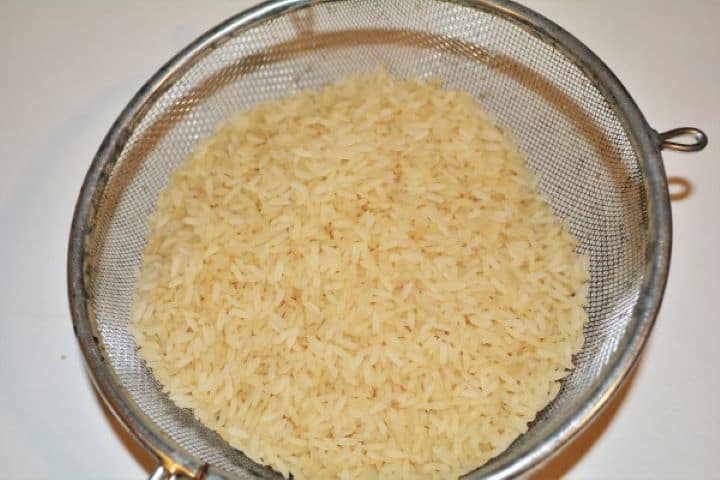
- The Rice: Rinse the rice under cold water in a fine-mesh strainer and let it drain well.
- The Rest: Measure out your frozen carrots, frozen peas, sunflower oil, sea salt, sweet Hungarian paprika, and the vegetable soup mix. Measure out the 2.5 cups of hot water so it is standing by.
How to Make Rizses Hús (Step-by-Step Overview)
I have included the exact measurements and print options in the recipe card below, but here is how easily this traditional method comes together:
1. Sauté the Onion and Turkey
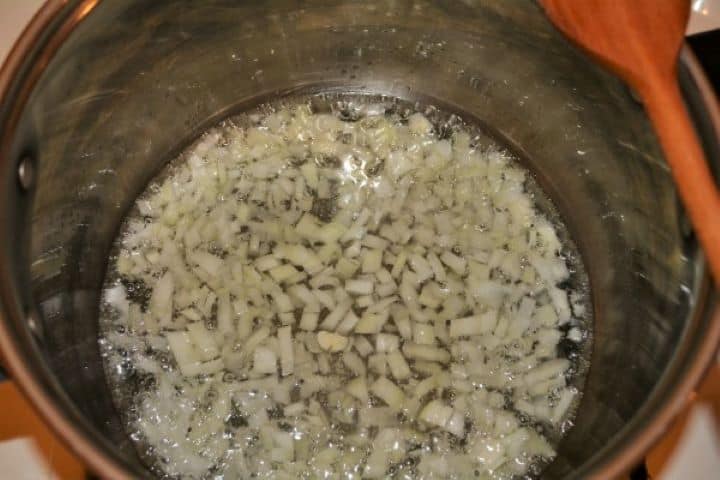
- Heat the sunflower oil in a heavy-bottomed pot or Dutch oven over medium heat. Add the finely chopped onion and cook until it is soft and translucent.
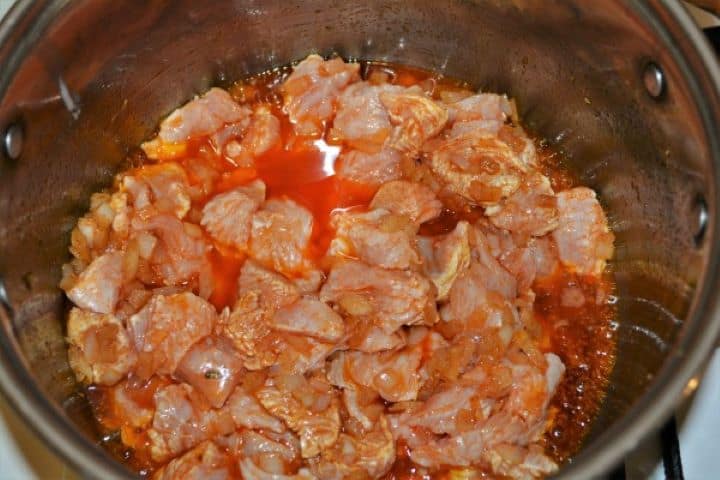
- Add the turkey cubes, stirring gently until the meat turns pale and opaque on the outside. We just want to seal the meat, not build a hard brown crust.
2. Bloom the Sweet Paprika
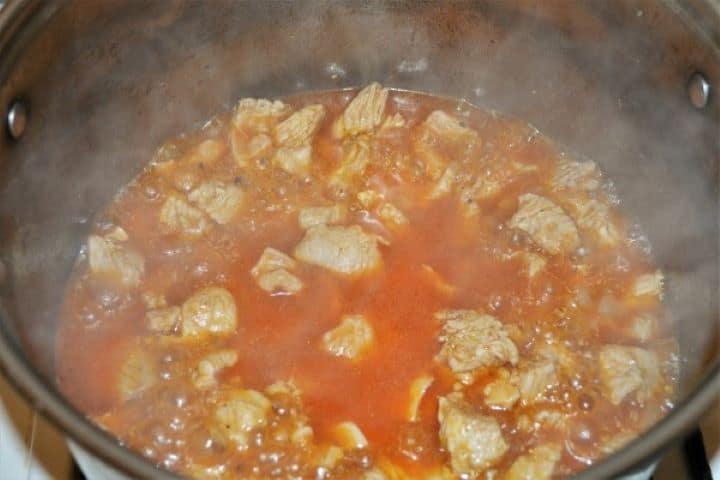
- Briefly remove the pot from the heat and stir in the sweet Hungarian paprika. This is a classic Transylvanian trick-taking the pot off the heat ensures the paprika toasts beautifully in the warm oil and releases its rich color without burning and turning bitter!
3. Build the Savory Broth
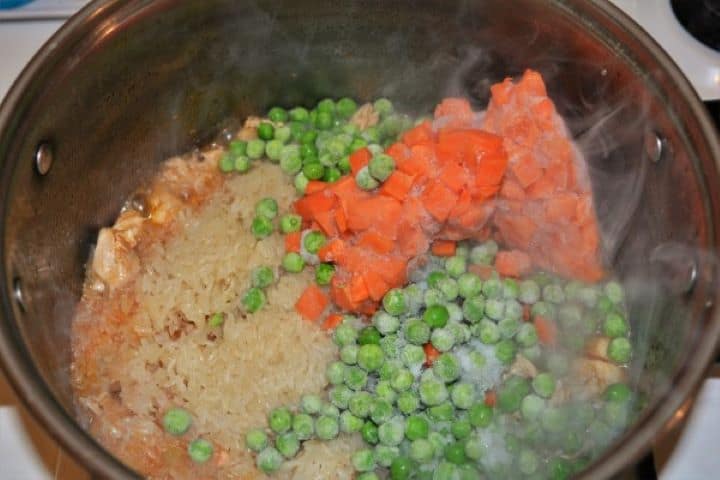
- Place the pot back on the heat. Add the frozen carrots, frozen peas, sea salt, and the vegetable mix for soups.
4. Simmer the Rice
- Stir in the rinsed, uncooked rice.
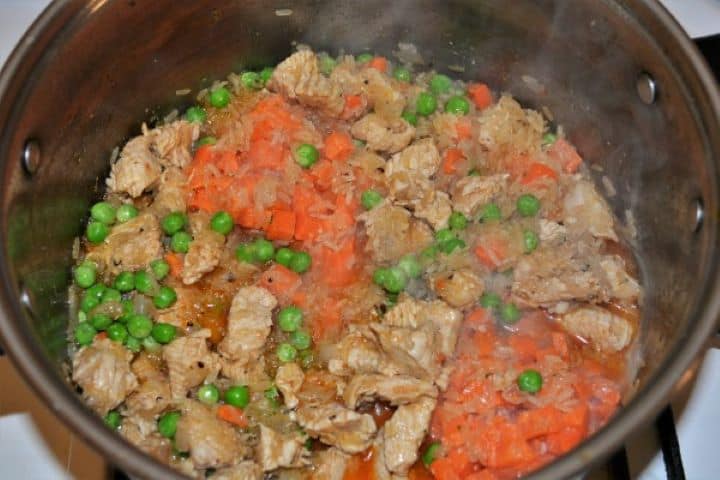
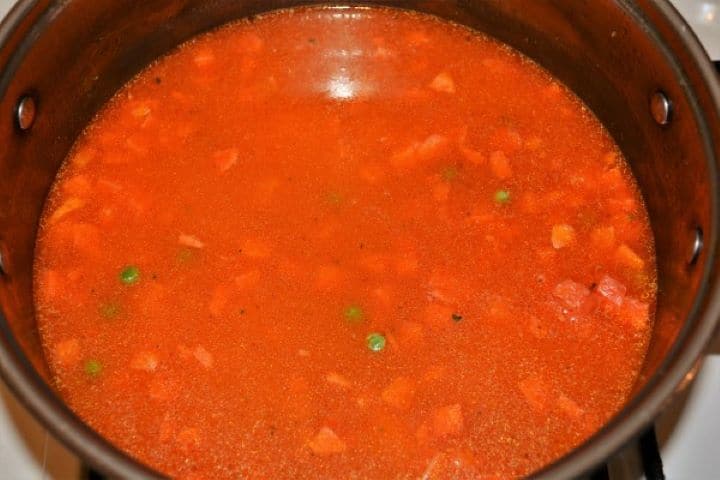
- Pour in the hot water and give everything a good stir to combine all those wonderful flavors.
- Bring the pot to a gentle boil, then lower the heat to a low simmer. Cover the pot tightly with a lid and let it cook undisturbed. Do not stir it during this time!
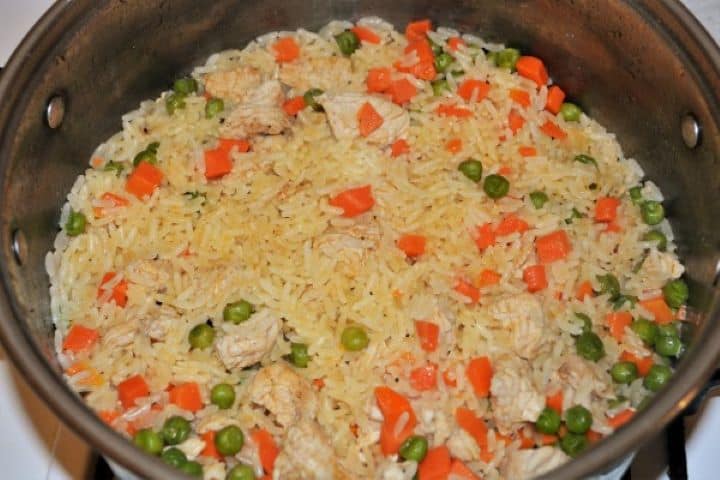
- Let it simmer until the rice has fully absorbed the liquid and the grains are perfectly tender.
Expert Tips for the Perfect One-Pot Rice
- Do Not Stir Once Covered: The secret to perfect orez cu carne is leaving it alone once you put the lid on. Stirring while the rice simmers will break the grains, releasing starches that turn your dish into a mushy risotto instead of a fluffy rice dish.
- The Resting Period: When the cooking time is up, turn off the heat but leave the lid on for an extra 10 to 15 minutes. This allows the trapped steam to finish cooking the rice gently and makes the grains incredibly tender.
- Use a Heavy Pot: A cast-iron braiser or Dutch oven distributes heat evenly, preventing the rice from sticking and burning at the bottom of the pan.
What to Serve with Orez cu Carne
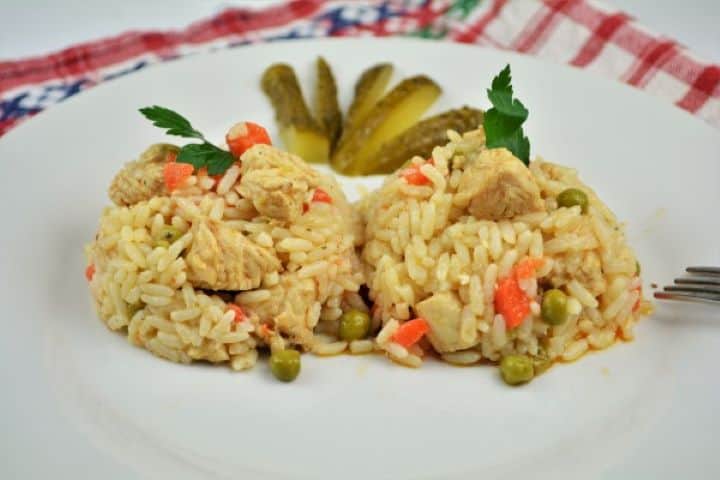
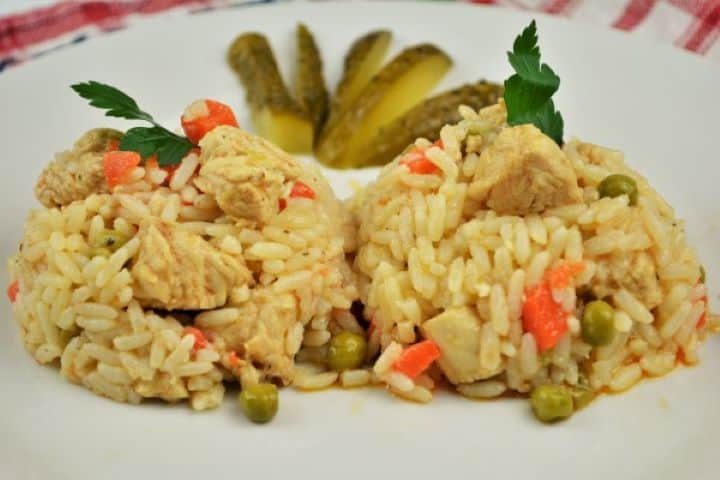
In Transylvania, a rich, paprika-spiced meat and rice dish is almost never eaten on its own. We always serve it with something sharp and tangy to cut through the richness. My absolute favorite pairing is a generous side of traditional Hungarian pickled cabbage salad (csalamádé), crunchy sun pickled cucumbers, or a simple, fresh cucumber salad with a light vinegar dressing.
Storage and Reheating Instructions
This meal is perfect for meal prep because the flavors actually deepen and improve by the second day.
- To Store: Allow the dish to cool completely, then transfer it to an airtight container. Keep it in the fridge for up to 3 days.
- To Reheat: Warm portions gently in the microwave or on the stovetop over low heat. If the rice seems a bit dry from sitting in the fridge, sprinkle a tablespoon of water or stock over the top before heating to help revive the grains.
Frequently Asked Questions (FAQ)
Yes, I highly recommend it! Rinsing the rice under cold water removes the excess surface starch. If you skip this step, that extra starch will release into the broth and make your rizses hús sticky and gluey rather than fluffy with distinct grains.
The most common culprit is stirring the pot while the rice is simmering. Once you add the rice and put the lid on, leave it completely alone! Stirring breaks the grains and releases starch (which is great for risotto, but bad for traditional Hungarian rice). Cooking it at too high of a boil instead of a gentle simmer can also cause the rice to break down and turn mushy.
I don't recommend swapping white rice for brown rice in this specific recipe without major adjustments. Brown rice requires significantly more liquid and takes about 45 to 50 minutes to cook. If you use it here, the liquid will evaporate before the rice is tender, and the turkey may become overcooked. Stick to long-grain or medium-grain white rice for the best, most authentic result.
Yes, this dish freezes beautifully! Let the turkey and rice cool completely, then transfer it to an airtight, freezer-safe container. It will keep well in the freezer for up to 3 months. Thaw it overnight in the fridge, and when reheating, sprinkle a tablespoon of water or stock over the top to help the rice grains soften and steam back to life.
Yes! Once you have bloomed the paprika and brought the broth to a simmer (Step 3), you can cover your Dutch oven with an oven-safe lid and transfer it to a preheated oven at 180°C (350°F). Let it bake for about 20-25 minutes until the liquid is absorbed. This is a very old-fashioned, foolproof way to ensure the bottom never burns!
More Family-Favorite Turkey Recipes to Try
Turkey is incredibly versatile and such a great lean protein for feeding a hungry family. If you bought a larger pack of turkey meat, or if you just want to explore more of our Central European-inspired comfort meals, here are a few other recipes from my kitchen that Laci and the kids always ask for:
- Dutch Oven Turkey Tenderloin: Our authentic Transylvanian Hagymás Szelet, gently cooked with marjoram and onions.
- Turkey Cabbage Stew: A deeply comforting and traditional one-pot meal.
- Turkey Schnitzel: Crispy, golden, and a guaranteed hit with the kids.
- Comforting Turkey Soup: The perfect way to warm up on a chilly afternoon.
Join Our Kitchen Community!
I hope this comforting rizses hús brings a little piece of our Transylvanian heritage to your family's dinner table! If you make this recipe, I would love to hear how it turned out-please leave a comment and a star rating below to let me know.
For more everyday family meals and traditional Central European recipes, come hang out with us on Facebook, Instagram, and Pinterest. You can also subscribe to our YouTube channel (@timeaskitchen), where Laci and I share step-by-step video tutorials to help you master these classic dishes.
Happy cooking!
Related Turkey Recipes
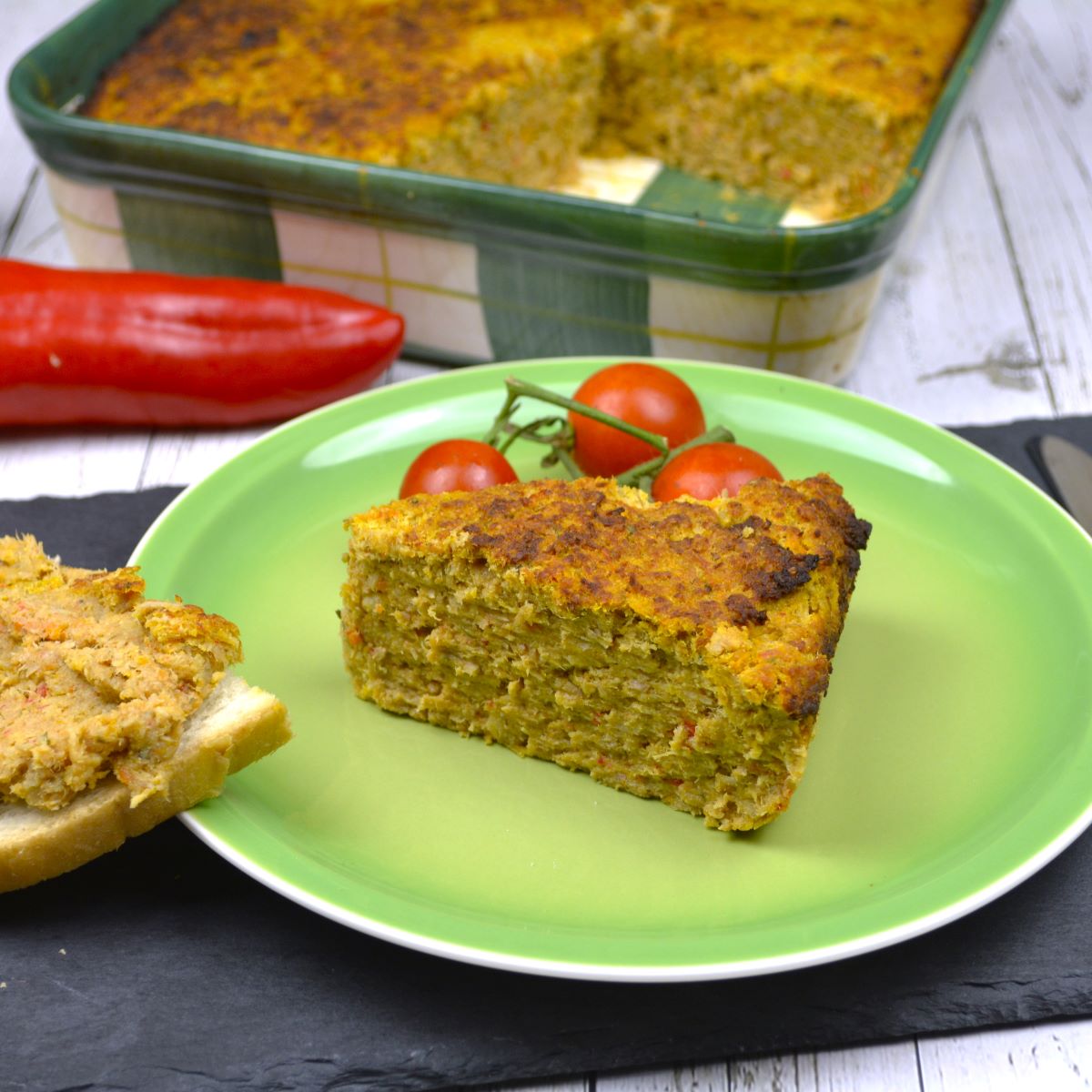
If this traditional rizses hús was a hit at your dinner table and you are looking for more ways to cook with turkey, I have plenty of other delicious options for you! Here are a few more of our family's favorite turkey recipes that are just as comforting and easy to make.
Click on any of the images below to explore the recipes, and keep scrolling just past them for today's printable Hungarian Turkey and Rice recipe card!

Hungarian Turkey and Rice (Authentic Rizses Hús)
Equipment
- 1 Heavy-bottomed pot or Dutch oven cast iron works best
- 1 Fine-mesh strainer for washing the rice
- 1 Chopping board and chef's knife
- 1 wooden spoon
Ingredients
- 600 g turkey breast cut into bite-sized cubes
- 2 cup rice long-grain or medium-grain
- 1 piece onion finely chopped
- 50 ml sunflower oil
- 200 g frozen carrots
- 150 g frozen peas
- 1 teaspoon sweet Hungarian paprika powder
- 1 teaspoon sea salt fine, to taste
- 1 tablespoon vegetable mix from soup like Vegeta
- 2,5 cup hot water
Instructions
- Prepare the Ingredients: Place the rice in a fine-mesh strainer and rinse it thoroughly under cold running water until the water runs clear. Set aside to drain. Cut the turkey breast into uniform cubes and finely chop the onion. Have your hot water and spices measured out and ready by the stove.
- Sauté the Onion and Turkey: Heat the sunflower oil in a heavy-bottomed pot or Dutch oven over medium heat. Add the finely chopped onion and sauté until it becomes soft and translucent. Add the turkey cubes, stirring gently just until the meat turns pale and opaque on the outside (do not let it build a hard brown crust).
- Bloom the Paprika: Remove the pot from the heat for a few seconds. Sprinkle the sweet Hungarian paprika over the meat and onions, stirring well to coat. Note: Taking the pot off the heat ensures the paprika toasts beautifully without burning and turning bitter.
- Build the Savory Broth: Return the pot to the heat. Add the frozen carrots, frozen peas, vegetable mix for soups, and sea salt. Pour in the 2.5 cups of hot water and give everything a good stir to combine.
- Simmer the Rice: Add the rinsed, drained rice to the pot. Gently bring the liquid to a boil, then immediately turn the heat down to a low simmer.
- Cover and Cook (Do Not Stir!): Cover the pot tightly with a well-fitting lid. Let it simmer completely undisturbed for 20 to 25 minutes, or until the rice has fully absorbed all the liquid and is tender. Do not stir the pot during this time, or the rice will become mushy.
- Rest and Serve: Once the liquid is absorbed, turn off the heat but leave the lid on. Let the pot sit undisturbed for another 10 to 15 minutes. This allows the trapped steam to finish cooking the rice gently and makes the grains incredibly fluffy. Fluff gently with a fork and serve hot with pickled cabbage or cucumber salad.
Notes
- The Golden Rule of Rizses Hús: Stirring the rice while it cooks breaks the grains and releases starches, turning the dish gluey. Trust the process and leave the lid on!
- Oven Baking Variation: If you prefer, after Step 5, you can cover your Dutch oven with an oven-safe lid and transfer it to a preheated oven at 180°C (350°F) to bake for 20-25 minutes until the liquid is absorbed. This prevents the bottom from ever burning.
- Reheating: Leftovers keep perfectly in the fridge for up to 3 days. When reheating, sprinkle a tablespoon of water or stock over the rice to help the grains steam and soften back to life.
Nutrition
This post contains affiliate links. Read the full disclosure here.