There is nothing quite as impressive as a slow-roasted leg of lamb recipe that produces meat so tender it slides right off the bone. Inspired by the traditional flavors of a Greek tavern, this "low and slow" method transforms a lean leg of lamb into a succulent, melt-in-your-mouth masterpiece.
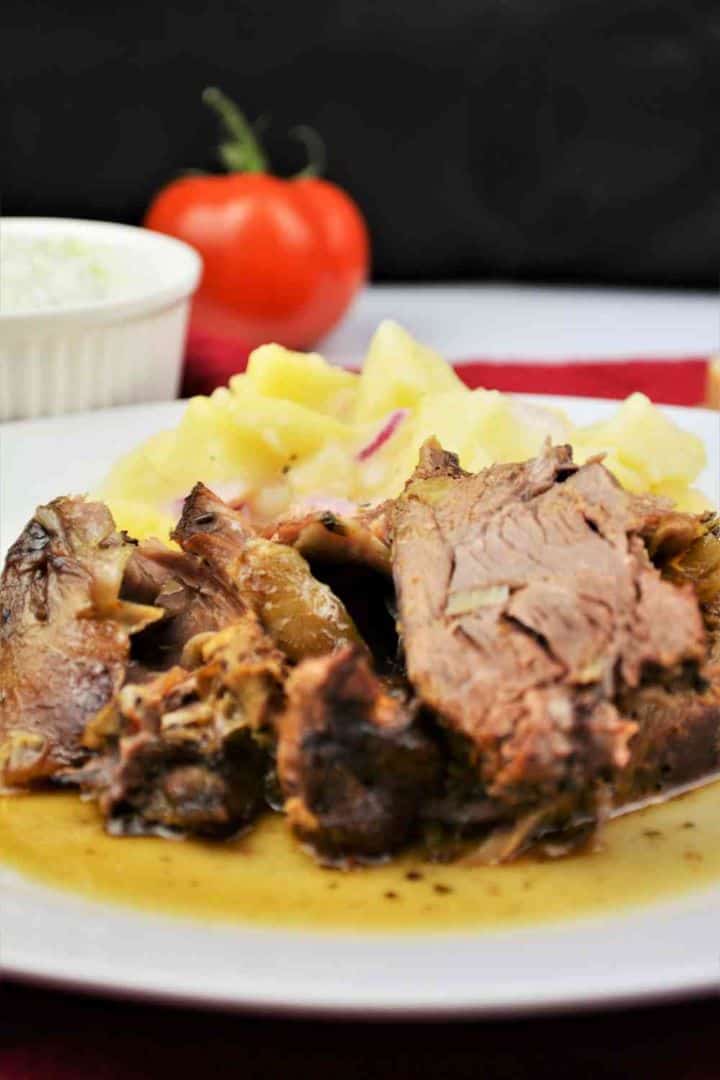
By searing the meat at a high temperature first to lock in juices and then roasting it slowly over a bed of aromatic herbs, garlic, and lemon, you achieve a depth of flavor that a quick roast simply can't match. Whether you are hosting a festive Easter dinner or a cozy Sunday family meal, this foolproof method ensures a juicy result every single time.
Why Slow-Roasting is the Best Method for Leg of Lamb
Roasting a leg of lamb over a bed of fresh vegetables and Mediterranean herbs is the most effective way to ensure the meat stays hydrated throughout the long cooking process. While many people worry about lamb being tough, cooking it at a low temperature breaks down the connective tissues into rich, flavorful gelatin.
This Greek-inspired method uses a combination of steam (from the vegetables and liquid) and dry heat to develop a deep "tavern-style" aroma. If you love the deep, comforting flavors of a traditional lamb stew, you will find that this slow-roast provides that same fork-tender texture but with a beautifully caramelized exterior crust.
Jump to:
- What You'll Need for Greek-Style Slow-Roasted Lamb
- How to Make Slow-Roasted Leg of Lamb (Step-by-Step)
- Customizing Your Roast: Flavor Variations
- What to Serve with Your Greek Lamb Roast
- How to Store and Reheat Leftover Lamb
- My Top Tips for the Best Roasted Lamb
- Frequently Asked Questions
- Join the Timea's Kitchen Community!
- Fall-Apart Greek Slow-Roasted Leg of Lamb
What You'll Need for Greek-Style Slow-Roasted Lamb
To achieve that authentic Mediterranean flavor, we use a combination of fresh aromatics and pantry staples. The secret to this recipe's unique depth is the substitution of beer for wine, which adds a malty richness that complements the gamey notes of the lamb perfectly.
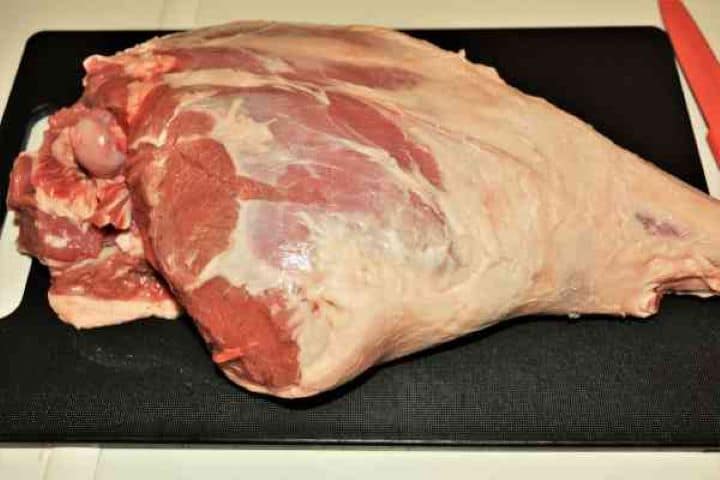
- The Meat: One 2kg (5 lb) bone-in leg of lamb. Keeping the bone in is crucial for flavor and heat distribution during a long roast.
- The "Flavor Studs": A whole head of garlic. We insert cloves directly into the meat so the flavor infuses from the inside out.
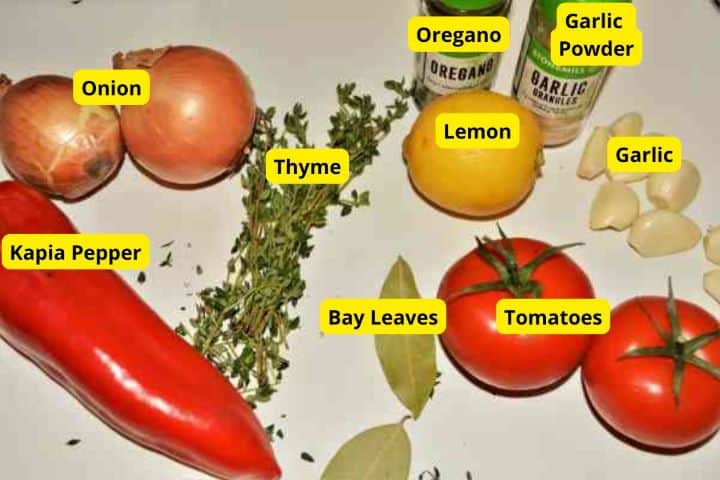
- The Vegetable Bed: Onions, ripe tomatoes, red peppers, and sun-dried tomatoes. These break down into a rich "jus" (sauce) that you can spoon over the meat later.
- The Braising Liquid: 200ml of beer mixed with beef stock and lemon juice. The acidity of the lemon balances the fat, while the beer provides a deep, caramelized color.
- The Herbs: A classic Greek trio of rosemary, thyme, and oregano.
Pro Tip: Choosing the Right Beer For this recipe, a light lager or a mild ale works best. Avoid heavy stouts or overly bitter IPAs, as the hops can become too concentrated during the 3-hour roasting process.
This dish is naturally high-protein and low-carb, making it a great option for those following a Mediterranean or Paleo lifestyle.
How to Make Slow-Roasted Leg of Lamb (Step-by-Step)
Before you begin, I recommend watching the video below to see the exact technique I use for "studding" the meat with garlic and achieving that perfect golden sear. Following the visual cues for the meat's color will help you ensure yours turns out just as succulent.
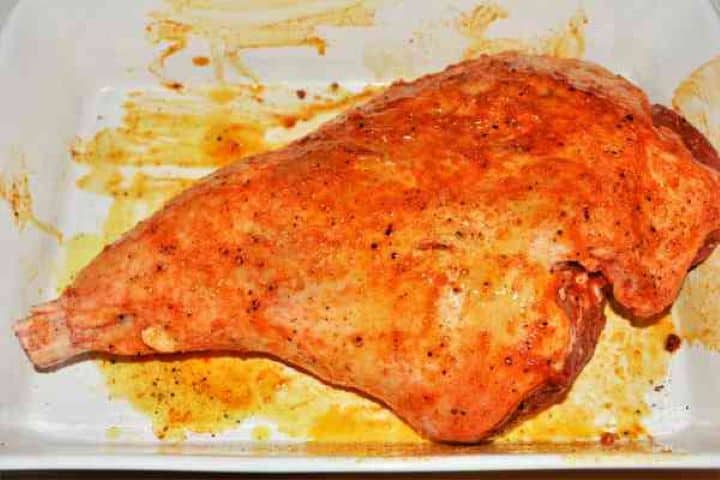
Step 1: Prep and "Flavor Studding"
The secret to a flavorful roast is getting the aromatics inside the meat.
- Use a sharp paring knife to make 10-12 deep slits across the leg of lamb.
- Stuff each slit with a sliver of fresh garlic.
- Pro Tip: Massage the meat with a mix of sea salt, pepper, paprika, and garlic powder. This creates a "dry rub" that will form a delicious crust during the searing phase.
Step 2: The High-Heat Sear
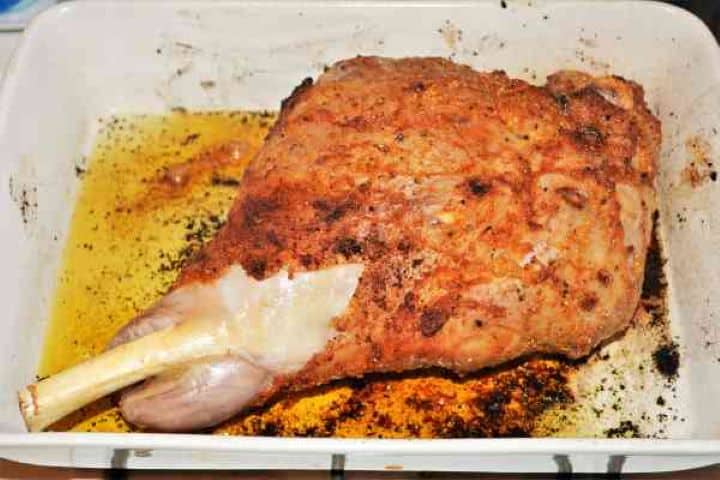
Don't skip this! Searing at a high temperature (250°C / 480°F) for 15 minutes per side creates the Maillard reaction. This locks in the juices and gives the lamb its signature copper-colored crust.
- Place the seasoned lamb in a roasting tray.
- Roast at high heat until the exterior is browned and fragrant.
Step 3: Creating the Braising Bed
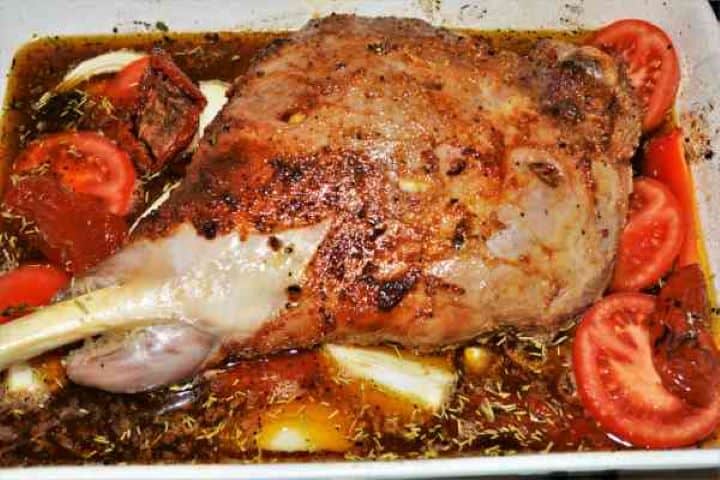
Once seared, remove the tray from the oven. Surround the meat with your chopped onions, tomatoes, peppers, and sun-dried tomatoes.
- Pour in your beer and beef stock mixture.
- The liquid should come about ⅓ of the way up the side of the meat. This creates a "steam chamber" once covered, keeping the lamb from drying out during the long roast.
Step 4: The Low-and-Slow Roast
Reduce your oven temperature to 160°C (320°F).
- Cover the tray tightly with heavy-duty aluminum foil to trap the moisture.
- Roast for approximately 2 to 2.5 hours.
- The Basting Rule: Every 60 minutes, carefully uncover the tray and spoon the juices over the meat. This ensures the top remains tender and absorbs the flavors of the beer and herbs.
Step 5: Resting (The Most Important Step)
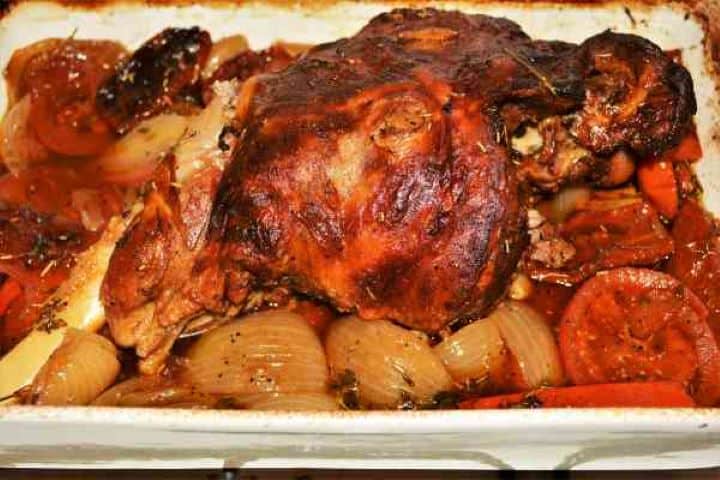
Once the meat is fork-tender, remove it from the oven. Let it rest for at least 15-20 minutes under the foil. This allows the fibers to relax and reabsorb the juices. If you cut it too soon, all that delicious moisture will run out onto the board!
Customizing Your Roast: Flavor Variations
While the Greek-style beer and garlic method is my personal favorite, this slow-roasting technique is incredibly versatile. Here are a few ways to switch up the flavor profile:
- The Classic Herb Crust: If you prefer a traditional French style, swap the beer for a dry white wine and replace the paprika with a heavy coating of Dijon mustard and fresh parsley before roasting.
- Pomegranate & Balsamic (Sweet & Tangy): For a Middle Eastern twist, omit the tomatoes and beer. Instead, use a mix of pomegranate molasses, balsamic vinegar, and honey in the braising liquid. This creates a sticky, dark glaze that is stunning for holiday dinners.
- The Spicy Moroccan Roast: Add a tablespoon of Harissa paste or Ras el Hanout to your olive oil rub. Swap the beef stock for lamb stock and add a handful of dried apricots to the roasting tray for a beautiful balance of heat and sweetness.
- Alcohol-Free Version: If you prefer not to use beer, simply increase the amount of beef stock and add an extra tablespoon of Worcestershire sauce and a splash of apple cider vinegar to maintain that deep, fermented tang.
What to Serve with Your Greek Lamb Roast
To complement the rich, fatty nature of the lamb, you need sides that offer acidity and crunch.
- The Authentic Greek Pairing: Serve with my Classic Tzatziki Recipe and a crisp Greek salad (Horiatiki) with plenty of feta and Kalamata olives.
- Starchy Sides: Oven-roasted lemon potatoes (roasted in the same tray as the lamb juices!) or a fluffy herb couscous are perfect for soaking up the aromatic beer-based gravy.
- The "Pulled" Approach: If you have leftovers, shred the meat and serve it inside warm pita bread with red onions, tomatoes, and a drizzle of tahini for a DIY lamb gyro.
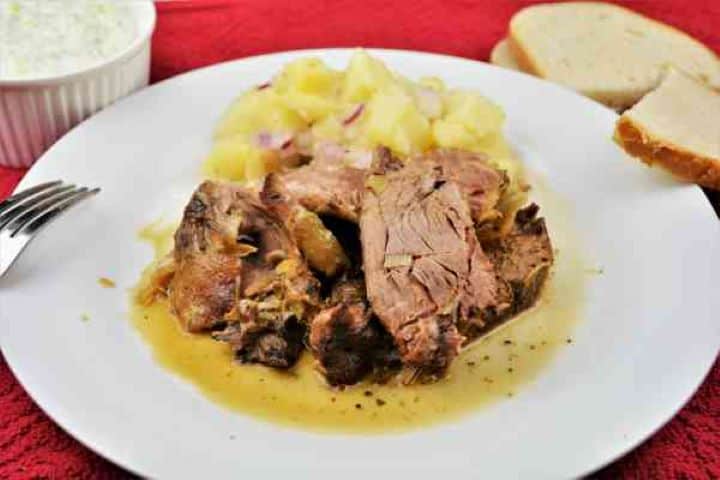
How to Store and Reheat Leftover Lamb
To maintain that "melt-in-your-mouth" texture, you must store the lamb correctly. If left uncovered, slow-roasted meat can dry out quickly in the refrigerator.
- In the Refrigerator: Allow the lamb to cool to room temperature (but do not leave it out for more than 2 hours). Place the meat in an airtight container. Pro Tip: Pour some of the leftover roasting juices (the "jus") over the meat before sealing; this keeps it moist. It will stay fresh for up to 3-4 days.
- In the Freezer: You can freeze this lamb for up to 3 months. I recommend shredding the meat off the bone first and storing it in freezer-safe bags. This makes it much easier to thaw only what you need for a quick meal.
- The Best Way to Reheat: Avoid the microwave if possible, as it can make the lamb rubbery. Instead, place the leftovers in a baking dish with a splash of water or stock, cover tightly with foil, and warm in the oven at 150°C (300°F) until heated through.
My Top Tips for the Best Roasted Lamb
After making this recipe for years, I've found that these three small details make the difference between a "good" roast and a "restaurant-quality" masterpiece:
- Don't Rush the Tempering: Never put a cold leg of lamb straight from the fridge into a hot oven. Let the meat sit on the counter for at least 60 minutes to reach room temperature. This ensures the meat cooks evenly-otherwise, you'll have a dry exterior and a cold center.
- The "Bone-In" Advantage: If your tray is too small, it's tempting to remove the bone. Don't! The bone acts as a heat conductor, cooking the meat from the inside out and adding immense flavor to the juices. If it doesn't fit, ask your butcher to "short-cut" the shank bone instead.
- Deglaze for the Ultimate Sauce: When the meat is resting, don't throw away the bits stuck to the bottom of the tray! Place the roasting tray over a stove burner on low heat, add a splash of water or more beer, and scrape those browned bits (the fond) into the liquid. Strain this into a small jug for the most intense gravy you've ever tasted.
- Check the Internal Temp early: Every oven is different. Start checking the internal temperature with a meat thermometer about 30 minutes before the estimated end time. For this slow-roast style, you are looking for 71°C (160°F) for that "pull-apart" texture.
Frequently Asked Questions
For this slow-roasting method at 160°C (320°F), you should plan for approximately 30 minutes per 500g (1 lb). Since we are aiming for a fall-apart texture rather than a medium-rare slice, a 2kg (5 lb) leg usually takes about 2.5 to 3 hours of total roasting time.
You should cover the tray tightly with foil for the first 2 to 2.5 hours. This creates a steam-oven effect that breaks down the tough fibers. Remove the foil for the final 20-30 minutes and increase the heat slightly if you want to achieve a crispier, golden-brown exterior.
Absolutely! While the beer provides a unique, malty depth of flavor, a dry white wine (like Sauvignon Blanc or Pinot Grigio) is the traditional Greek choice. It adds a brighter acidity that pairs beautifully with the lemon and garlic.
Unlike a quick-roasted leg of lamb served pink (which is pulled at 54°C/130°F), a slow-roasted leg is ready when it reaches an internal temperature of 71°C to 75°C (160°F - 165°F). This is the "sweet spot" where the meat becomes incredibly tender and easy to shred.
If you enjoyed the deep flavors and tender texture of this Greek lamb, you'll love these other tried-and-tested oven recipes from my kitchen. Whether you're looking for another "low and slow" masterpiece or a quick weeknight roast, here are my top recommendations:
- For Slow-Cooking Fans: If you love meat that falls off the bone, try my Slow-Cooked Pork Shoulder in the Oven or this traditional Braised Pork Knuckle Recipe.
- Perfect Poultry Roasts: For a lighter alternative, my Baked Stuffed Whole Chicken or these juicy Oven Roasted Turkey Thighs use similar herb-infusion techniques.
- Quick & Savory Dinners: On busy nights, I highly recommend the Easy Oven Baked Pork Steak or my Healthy Baked Turkey Cutlets with Vegetables.
Join the Timea's Kitchen Community!
I hope this slow-roasted leg of lamb recipe becomes a new favorite in your home! There's nothing I love more than seeing my recipes come to life in your kitchens. If you made this dish, please leave a comment below and let me know how it turned out.
For more step-by-step video tutorials and daily kitchen inspiration, make sure to Subscribe to our YouTube Channel. You can also follow us on Facebook, Instagram, and Pinterest to stay updated with our latest traditional Hungarian and Mediterranean recipes. Let's keep cooking together!
Fall-Apart Greek Slow-Roasted Leg of Lamb
Equipment
- 1 Large Roasting Tray
- 1 Meat Thermometer
Ingredients
The Meat & Aromatics
- 2 kg leg of lamb Bone-in is preferred for better flavor and heat distribution
- 1 pc garlic head 10 cloves peeled and sliced into slivers for "studding," the rest left unpeeled for the tray
- 2 tablespoon olive oil extra virgin, to help the dry rub adhere and develop the crust
The Greek Dry Rub
- 2 teaspoon sea salt kosher
- 1 teaspoon ground pepper freshly ground
- ½ teaspoon paprika powder For that beautiful copper color.
- ½ teaspoon garlic powder For an extra layer of savory depth.
The Braising Bed & Liquid
- 2 pcs onions medium-size, peeled and cut into quarters
- 2 pcs tomatoes ripe, coarsely sliced to add acidity to the sauce
- ½ pcs red sweet pepper Kapia or Bell pepper, sliced.
- 4 pcs sundried tomatoes The "secret ingredient" for an intense Mediterranean umami flavor.
- 200 ml beer A light lager or blonde ale (substitute with white wine if preferred).
- 1 pc lemon juice to balance the richness of the lamb fat
- 1 cup water hot
- 1 tablespoon beef stock mixed with water
Fresh Herbs
- 3 sprigs thyme fresh
- 2 leaves bay
- 1 tablespoon rosemary dried
- 1 teaspoon oregano dried
Instructions
- 1. Prep the Lamb: Pat the leg of lamb dry with paper towels. Using a sharp paring knife, make 10-12 deep slits all over the meat. Insert a sliver of peeled garlic into each slit.
- 2. Season & Massage: In a small bowl, mix the sea salt, pepper, paprika, and garlic powder. Rub the olive oil over the entire leg of lamb, then massage the spice mix into the meat, ensuring it is evenly coated.
- 3. High-Heat Sear: Preheat your oven to 250°C (480°F). Place the lamb in a large roasting tray and sear for 15 minutes. Carefully turn the meat over and sear for another 15 minutes until a golden-brown crust forms.
- 4. Assemble the Roasting Tray: Remove the tray from the oven and reduce the temperature to 160°C (320°F). Scatter the onions, tomatoes, peppers, sun-dried tomatoes, unpeeled garlic cloves, and herbs around the lamb.
- 5. Add the Braising Liquid: Pour the beer, lemon juice, and the hot beef stock mixture into the bottom of the tray. The liquid should surround the meat but not cover it.
- 6. The Slow Roast: Cover the roasting tray tightly with heavy-duty aluminum foil to prevent steam from escaping. Place back in the oven and roast for 2.5 to 3 hours.
- 7. Baste the Meat: Every hour, quickly uncover the tray and spoon the juices from the bottom over the top of the lamb. This ensures the meat stays succulent and flavorful.
- 8. The Rest: Once the meat is fork-tender (internal temp of 71°C / 160°F), remove it from the oven. Keep it covered with foil and let it rest for 15-20 minutes. This is the secret to a juicy roast!
- 9. Serve: Shred the meat directly off the bone or slice into thick portions. Serve with the roasted vegetables and a generous spoonful of the pan juices.
Video
Notes
- The "Fork-Tender" Check: For a traditional sliceable roast, you would pull the meat earlier. But for this specific slow-roasted leg of lamb recipe, you want the meat to "give" when pressed with a spoon or fork. If it still feels springy or tough, cover it back up and give it another 30 minutes.
- Choosing Your Beer: I recommend a light lager or a golden ale. Avoid high-IBU beers like IPAs, as the bitterness can concentrate and become overwhelming during the long reduction process in the oven.
- Salt Management: Since we are using beef stock and sun-dried tomatoes (which are naturally salty), be conservative with extra sea salt until you taste the finished pan juices.
- Make it Ahead: This lamb actually tastes even better the next day! You can roast it, shred the meat, and store it in its own juices. Reheat slowly in a covered dish at 150°C (300°C) to keep it from drying out.
- Wine Substitution: If you prefer wine over beer, use a dry white like Sauvignon Blanc or a light red like Pinot Noir. The acidity will help cut through the richness of the lamb.
Nutrition
This post contains affiliate links. Read the full disclosure here.