

If you have ever dined at a seaside taverna in Greece, you know that a classic Greek village salad (Horiatiki) is the undisputed star of Mediterranean summer cooking. Unlike typical western green salads, a true traditional Greek salad contains no lettuce-it is a pure, vibrant medley of sun-ripened vegetables, rich Kalamata olives, and creamy cubed feta cheese tossed in extra virgin olive oil, fresh lemon juice, and aromatic oregano.

Whether you enjoyed this iconic dish on a sun-drenched trip to Crete or are making it at home for the very first time, this effortless 10-minute recipe delivers bright, authentic Mediterranean flavor in every single bite.
If you have ever dined at a seaside taverna in Greece, you know that a classic Greek village salad (Horiatiki) is the undisputed star of Mediterranean summer cooking. Unlike typical western green salads, a true traditional Greek salad contains no lettuce-it is a pure, vibrant medley of sun-ripened tomatoes, crisp cucumbers, red onions, Kalamata olives, and creamy cubed feta cheese tossed in extra virgin olive oil, fresh lemon juice, and aromatic oregano.
Every time I make this salad, I am instantly transported back to my vacation in Crete. It was one of my absolute favorite dishes during our trip, alongside Mediterranean staples like my creamy Greek yogurt salad, fresh Greek eggplant dip, and authentic Greek moussaka. Whether you're serving it as a light lunch or a vibrant side dish, this effortless 10-minute recipe brings a true taste of the Aegean right to your kitchen.
Jump to:
- What Makes an Authentic Greek Village Salad (Horiatiki)?
- Key Ingredients & Preparation Secrets
- How to Make Greek Village Salad (Step-by-Step)
- Elevate with Fresh Mediterranean Herbs
- Salad Variations & Add-Ins
- The "Papara" Tip & Serving Ideas
- Storage & Make-Ahead Advice
- Chef's Top Tips for the Best Horiatiki
- Frequently Asked Questions
- Join the Timea's Kitchen Community!
- Related
- Pairing
- Authentic Greek Village Salad (Horiatiki)
What Makes an Authentic Greek Village Salad (Horiatiki)?
In Greece, this iconic dish is known as Horiatiki (pronounced ho-ree-AH-tee-kee), which translates directly to "village style" or "country salad." It was created as a rustic, no-fuss meal for farmers using the freshest picks from their summer gardens.
The biggest secret to a true Greek village salad? It contains zero lettuce or leafy greens.
Unlike Western-style Greek salads that rely on romaine or iceberg lettuce as a filler, traditional Horiatiki is composed entirely of chunky, sun-ripened vegetables, rich Kalamata olives, and creamy feta cheese. Instead of a heavy bottled dressing, everything is brought together with high-quality extra virgin olive oil, freshly squeezed lemon juice, and aromatic dried oregano.
Key Ingredients & Preparation Secrets
To make a Greek village salad that rivals your favorite Mediterranean taverna, ingredient quality is everything.
- Ripe Tomatoes: Thick-cut wedges from ripe, juicy tomatoes form the base. Keeping the pieces chunky prevents them from breaking down when tossed.
- English Cucumber: Crispy and refreshing. Peel in alternating vertical stripes for a gorgeous visual contrast before slicing.
- Yellow Bell Pepper: Adds a sweet crunch and a vibrant pop of sunshine color to balance the red tomatoes and dark olives.
- Red Onion: Thinly sliced to deliver a sharp, pungent bite that cuts through the rich olive oil and cheese.
- Kalamata Olives: Whole olives with pits retained offer superior aroma and flavor compared to pitted varieties.
- Cubed Feta Cheese: Authentic Greek sheep or goat's milk feta cut into neat, bite-sized cubes. Cubing the feta ensures every forkful contains the perfect balance of creamy cheese, juicy tomatoes, and dressing.
- The Dressing: A simple mix of premium extra virgin olive oil, fresh lemon juice, dried Greek oregano, sea salt, and freshly ground black pepper.

How to Make Greek Village Salad (Step-by-Step)
Making a traditional Greek village salad is all about effortless simplicity-there's zero cooking required, and the whole dish comes together in just 5 minutes. If you are a visual learner or want to see the exact knife technique for slicing the vegetables and cubing the feta, watch my quick step-by-step video guide below before getting started!
Once you've watched the quick video, follow these simple preparation steps to assemble your salad:
1. Slice and Chop the Veggies
- Thinly slice the red onion and place it at the bottom of a large serving bowl.

- Remove the stem and seeds from the yellow bell pepper, then cut it into bite-sized pieces.

- Striped-peel the English cucumber, slice it into half-moons, and chop the tomatoes into generous wedges


- Add all the vegetables and Kalamata olives to the bowl.

2. Season directly in the Bowl
- Drizzle generously with high-quality extra virgin olive oil and squeeze over fresh lemon juice. Season with a generous pinch of sea salt, freshly cracked black pepper, and plenty of dried oregano.

3. Toss Gently
- Using two large spoons, gently toss the vegetables from the bottom up. Be careful not to crush the tomato wedges so their natural juices combine with the olive oil and lemon juice to create a rich, fresh dressing.
4. Top with Cubed Feta
- Top the salad with your bite-sized cubes of feta cheese. Finish with a final light drizzle of extra virgin olive oil and a sprinkle of dried oregano over the cheese right before serving.

Elevate with Fresh Mediterranean Herbs
While traditional Horiatiki relies primarily on fragrant dried Greek oregano, adding a handful of fresh herbs is an easy way to elevate the dish:
- Fresh Mint: Highly popular in island-style Greek cooking, fresh mint leaves add a vibrant, cooling contrast to sweet tomatoes and rich feta.
- Flat-Leaf Parsley: Adds a clean, earthy pepperiness that brightens the entire bowl.
- Fresh Dill: Brings a subtle anise note that complements crisp cucumbers perfectly.
Salad Variations & Add-Ins
While the classic combination of tomatoes, cucumbers, onions, olives, and feta is perfection on its own, you can customize your salad with these traditional Mediterranean add-ins:
- Briny Capers or Caper Leaves: A staple in island recipes (especially in Santorini), capers add a salty, tangy punch that pairs beautifully with Kalamata olives.
- Green Bell Pepper: If you prefer a sharper, slightly more bitter crunch, swap or combine the sweet yellow pepper with crisp green bell pepper.
- Citrus Zest: Grate a tiny pinch of fresh lemon zest over the salad just before serving to intensify the bright, sunny aroma of your dressing.
- Anchois or Sardines: Top the salad with cured anchovy fillets or grilled sardines for a protein-rich, sea-salted Mediterranean twist.
The "Papara" Tip & Serving Ideas
Chef's Top Tip: Always serve this salad with a basket of fresh, warm rustic crusty bread! In Greece, the act of dipping bread into the leftover emulsion of olive oil, tomato juice, lemon juice, and feta brine at the bottom of the bowl is called Papara-and it's arguably the best part of the entire meal!
What to Serve with Greek Village Salad:
- Grilled Meats: A perfect refreshing side for grilled chicken skewers, lamb chops, or kebabs.
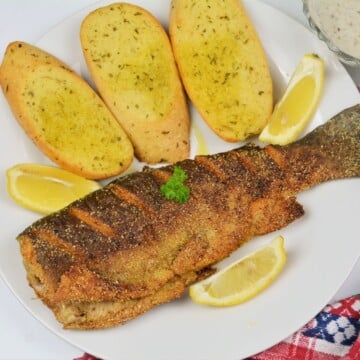
- Seafood: Complements pan-fried fish like trout or sea bass beautifully.
- Greek Feasts: Pair alongside classic Mediterranean dishes like Moussaka, Greek Slow-Roasted Leg of Lamb, or fresh Tzatziki.

Storage & Make-Ahead Advice
- Best Served: At room temperature or slightly chilled, immediately after assembling. Cold olive oil hardens in the fridge, so let it sit out for 10 minutes if made in advance.
- Leftovers: Store leftover salad in an airtight container in the refrigerator for up to 24 hours.
- Prep Ahead Tip: Chop your onions, peppers, and cucumbers up to a day in advance, but hold off on cutting the tomatoes, dressing, and adding the feta until right before serving to keep everything crisp and fresh.

Chef's Top Tips for the Best Horiatiki
The magic of a Greek village salad lies in its simplicity, which means technique and ingredient temperature make all the difference:
1. Use Room-Temperature Tomatoes: Never use cold tomatoes straight from the fridge! Cold temperatures dull their natural sugars and aromas. Let your ripe tomatoes sit at room temperature before slicing for maximum flavor.
2. Salt the Tomatoes First: Let your cut tomato wedges sit with a light sprinkle of sea salt in the bowl for 2-3 minutes before adding the oil. Salt draws out natural tomato juices, which mix with the extra virgin olive oil and lemon juice to create a mouthwatering dressing naturally.
3. Invest in High-Quality Extra Virgin Olive Oil: Because there are no heavy bottled sauces, your olive oil is a primary ingredient. Use cold-pressed, high-quality extra virgin olive oil for that velvety texture and fruity, peppery finish.
Frequently Asked Questions
No, authentic Greek village salad (Horiatiki) never contains lettuce or leafy greens of any kind. It is made solely with fresh tomatoes, cucumbers, bell peppers, red onion, olives, and feta.
While red wine vinegar is common in regional variations, fresh lemon juice provides a bright, clean citrus note that perfectly cuts through rich extra virgin olive oil and salty feta cheese without overwhelming the natural flavor of ripe summer tomatoes.
Cutting feta into bite-sized cubes keeps the salad looking neat and guarantees that every bite gets a generous piece of creamy cheese without dissolving into the dressing.
Yes! Greek village salad is naturally low in carbohydrates and rich in healthy monounsaturated fats from extra virgin olive oil. If you are watching your calorie intake, simply adjust the portion of olive oil and feta cheese to fit your nutrition goals.
Join the Timea's Kitchen Community!
Did you make this authentic Greek Village Salad? We'd love to see how it turned out! Snap a photo and tag us @timeaskitchen on Instagram and Facebook-nothing makes us happier than seeing your creations in the wild. Be sure to pin this recipe on Pinterest so you can easily find it for your next summer gathering, and subscribe to our YouTube Channel for more step-by-step recipe videos and Mediterranean cooking inspiration. Happy cooking, and Kali Orexi!
Related
Looking for other delicious salad recipes? Try these:

Pairing
These are my favourite dishes to serve with Greek village salad:



Authentic Greek Village Salad (Horiatiki)
Equipment
- 1 bowl large
- 1 chopping board wooden
- 1 knife Sharp chef's knife
- 2 spoons or Salad tongs
Ingredients
Vegetables & Cheese
- 2 pcs tomatoes ripe, cut into generous thick wedges
- ½ pcs English cucumber partially peeled in stripes, sliced into half-moons
- 1 pc red onion small, thinly sliced
- 1 pc yellow bell pepper stem and seeds removed, cut into bite-sized pieces
- 100 g Kalamata olives preferably with pits
- 200 g feta cheese Greek, cut into bite-sized cubes
Dressing & Seasonings
- 3 tablespoon olive oil extra virgin, plus extra for garnish
- 1 tablespoon lemon juice freshly squeezed
- 1 tablespoon oregano dried, divided
- 1 teaspoon sea salt to taste
- ½ teaspoon ground pepper freshly ground
Instructions
- Prep the Vegetables: Place the thinly sliced red onion in the bottom of a large salad bowl. Add the sliced yellow pepper, half-moon cucumber slices, chunky tomato wedges, and Kalamata olives.
- Dress and Season: Drizzle the extra virgin olive oil and freshly squeezed lemon juice directly over the vegetables. Season evenly with sea salt, freshly ground black pepper, and ¾ tablespoon of the dried oregano.
- Toss Gently: Using two spoons or salad tongs, gently toss the vegetables from the bottom up until the oil, lemon juice, and seasonings coat all the ingredients evenly without crushing the tomato wedges.
- Top with Feta: Scatter the cubed feta cheese evenly over the top of the salad.
- Garnish & Serve: Finish with a final light drizzle of extra virgin olive oil and a sprinkle of the remaining dried oregano over the feta. Serve immediately at room temperature alongside warm, rustic bread!
Notes
- Use Room-Temperature Tomatoes: Cold tomatoes straight from the fridge lose their aroma and natural sweetness. Always let your tomatoes sit at room temperature before slicing.
- Cubed Feta Advantage: Cutting feta into neat, bite-sized cubes keeps the salad structured and ensures every forkful gets a delicious bite of cheese without dissolving into the dressing.
- The "Papara" Experience: Don't let the dressing at the bottom of the bowl go to waste! Use fresh, crusty rustic bread to soak up the blend of olive oil, fresh lemon juice, tomato juices, and feta brine.
- Storage: Best enjoyed immediately. Leftovers can be stored in an airtight container in the fridge for up to 24 hours. Bring back to room temperature before serving so the olive oil returns to a liquid state.
Nutrition
This post contains affiliate links. Read the full disclosure here.

Delicious summer salad.
So delicius
..