
Warm, pillowy, and coated in sweet, golden-toasted buttery breadcrumbs, traditional Hungarian cottage cheese dumplings (Túrógombóc) are the ultimate Central European comfort food. Served with a generous dusting of powdered sugar and a dollop of sweet vanilla sour cream, these light and airy dumplings have been a beloved staple in Hungarian and Transylvanian homes for generations.
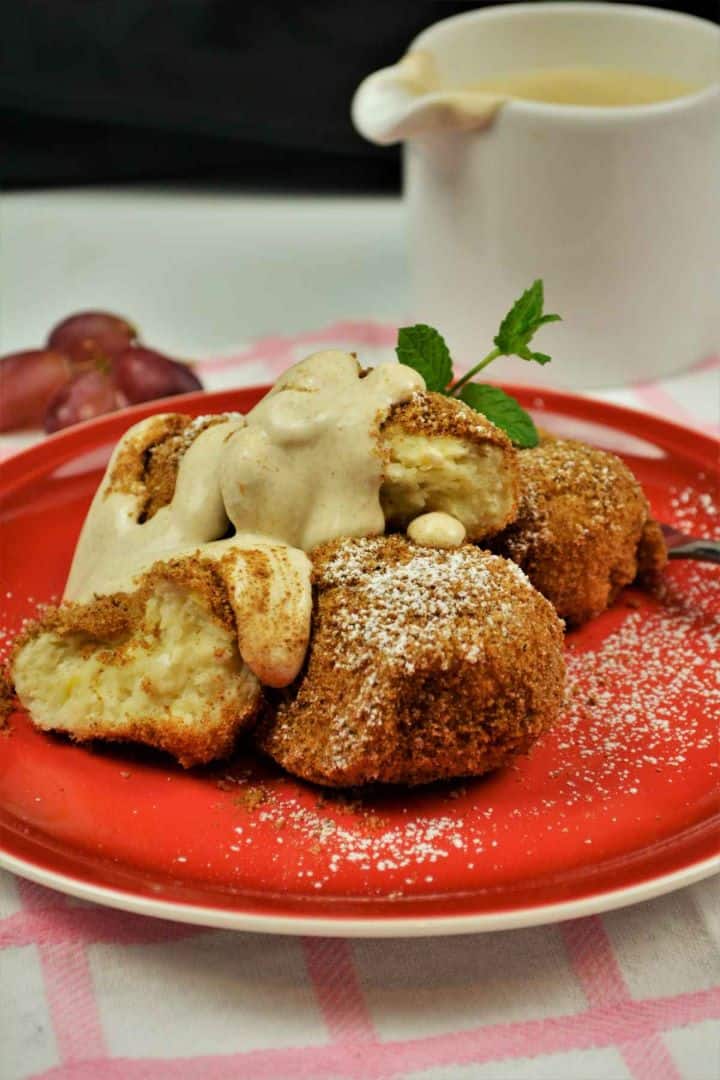
Growing up, this was the recipe my family made whenever we craved something sweet, simple, and nostalgic. In Hungary, Túrógombóc is so hearty and satisfying that it is often enjoyed as a sweet main course following a savory soup-like a classic bowl of goulash or bean soup-though my children will happily eat them as an afternoon treat or dessert any day of the week!
Many home cooks struggle with cottage cheese dumplings turning out dense and rubbery, or worse, completely breaking apart in the boiling water. The secret to foolproof, melt-in-your-mouth dumplings lies in two simple techniques: letting the semolina hydrate so it naturally binds the dough, and folding in whipped egg whites to create a light, cloud-like texture. Whether you are using traditional dry farmer's curd (túró) or everyday supermarket cottage cheese, this guide will show you how to get perfectly fluffy results every single time.
Jump to:
- Why You'll Love This Recipe
- Ingredients for Hungarian Cottage Cheese Dumplings
- The Secret to Perfect Dumplings: Choosing the Right Cheese
- Why Both Semolina and Flour?
- Watch How to Make Authentic Túrógombóc (Step-by-Step Video)
- How to Make Hungarian Cottage Cheese Dumplings (Step-by-Step)
- Expert Tips & Troubleshooting for Perfect Túrógombóc
- Coating Variations (Beyond Traditional Breadcrumbs)
- How to Serve Hungarian Cottage Cheese Dumplings
- How to Store, Make Ahead & Reheat
- Frequently Asked Questions (FAQ)
- Traditional Savory Soup Pairings (The Hungarian Two-Course Meal)
- Join the Community & Cook Along With Me!
- Related
- Pairing
- Authentic Hungarian Cottage Cheese Dumplings (Túrógombóc)
Why You'll Love This Recipe
- Cloud-like texture: Folding in beaten egg whites keeps the dumplings light and delicate, never rubbery or heavy.
- Irresistible crunch: Rolled straight from the pot into warm, sweet, toasted breadcrumbs for the perfect textural contrast.
- Beginner-friendly: Uses everyday pantry staples with no complicated equipment required.
- Adaptable cheese options: Works with traditional Hungarian túró, Eastern European twaróg, farmer's cheese, or drained tub cottage cheese.
Ingredients for Hungarian Cottage Cheese Dumplings
Traditional Túrógombóc relies on simple, wholesome pantry staples. Because the ingredient list is short, the quality and texture of each component make all the difference.
1. For the Fluffy Dumplings:
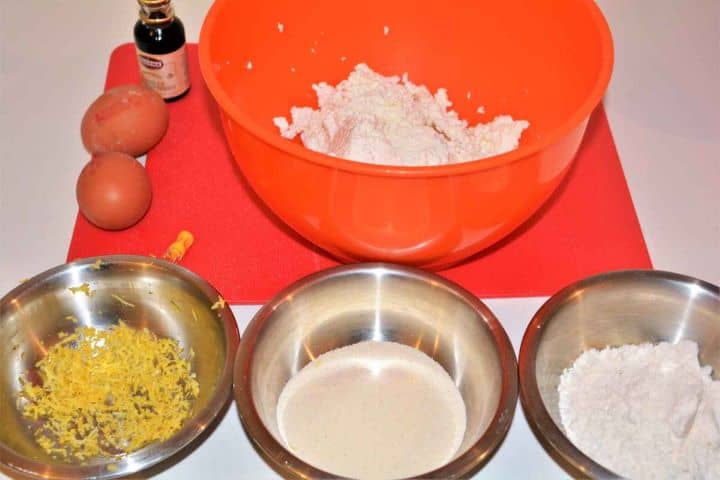
- 500 g (about 2 cups / 1.1 lbs) Cottage Cheese or Curd Cheese (túró): Dry, crumbly curd cheese is best. (See the sourcing guide below for the best supermarket options).
- 3 tablespoons Fine Wheat Semolina (búzadara): Essential for absorbing moisture and giving the dumplings structure while keeping them tender.
- 3 tablespoons All-Purpose Flour (Plain Flour): Works alongside the semolina to ensure the dough holds together in simmering water.
- 2 Large Eggs (separated): The yolks add rich flavor to the base, while whipping the whites into soft peaks creates an airy, cloud-like dumpling.
- 2 teaspoons Granulated Sugar: Just enough sweetness to balance the natural tang of the cheese without making the dough heavy.
- 1 organic Lemon (finely grated zest only): Adds bright, aromatic citrus oils that cut through the richness of the dairy.
- 1 teaspoon Pure Vanilla Extract: Adds warm aroma and depth.
- ½ teaspoon Fine Sea Salt: Balances the sweetness and enhances the cheese flavor.
2. For the Sweet Golden Breadcrumb Coating:
- 150 g (approx. 1 ½ cups) Fine Plain Breadcrumbs: Dry, unseasoned breadcrumbs produce the best uniform golden crust.
- 1 tablespoon Sunflower Oil or Unsalted Butter: Traditional cooks often use butter for a rich, nutty flavor, but neutral oil gives a clean, crisp finish that helps the crumbs adhere evenly.
- 1 tablespoon Granulated Sugar: Mixed into the warm crumbs for subtle sweetness and caramelization.
- ½ teaspoon Ground Cinnamon (optional): A pinch of warmth that complements the lemon and vanilla.
3. For the Traditional Sweet Vanilla Sour Cream:
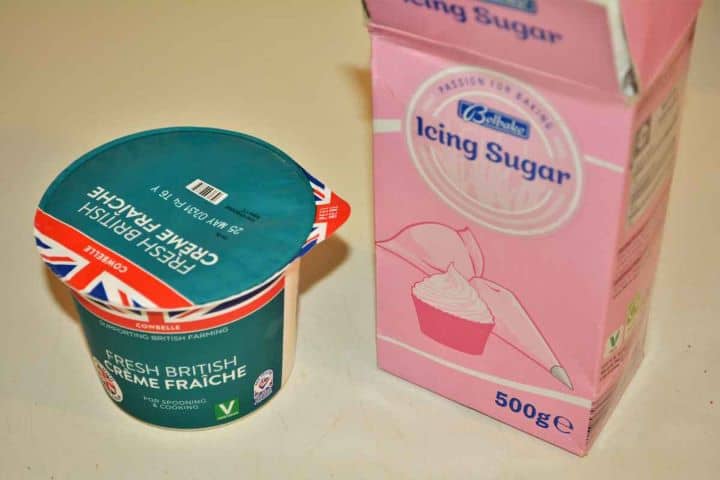
- 4 tablespoons Sour Cream (tejföl) or Crème Fraîche: Hungarian sour cream is rich and tangy, the perfect foil to sweet dumplings.
- 2 tablespoons Powdered Sugar (Icing Sugar): Dissolves smoothly into cold sour cream.
- 1 teaspoon Pure Vanilla Extract: Rounds out the dessert sauce.
- A pinch of Ground Cinnamon: For dusting over the top right before serving.
The Secret to Perfect Dumplings: Choosing the Right Cheese
The single biggest reason cottage cheese dumplings turn to mush in the pot is excess liquid. Traditional Hungarian túró is a fresh, dry-curd cheese with a crumbly, firm texture-drastically different from wet, creamy supermarket cottage cheese.
1. The Best Authentic Options
- Polish Twaróg (Best Supermarket Shortcut): If you live in the UK or parts of Europe, head to the world food or chilled dairy aisle and pick up Twaróg (look for półtłusty / semi-skimmed or chudy / skimmed). It is practically identical to Hungarian túró-dry, dense, and slightly acidic.
- Farmer's Cheese or Dry Curd Cheese: In the US and Canada, look for block Farmer's Cheese (such as Lifeway) or "dry curd cottage cheese" (pot cheese). These need no pre-draining and crumble easily with a fork.
- Traditional Quark (Topfen): If using Central European block quark, choose firm, low-moisture varieties rather than smooth tub quark.
If you bought extra curd cheese for this recipe, use the leftovers to make sweet Hungarian cottage cheese filled crepes.
2. How to Use Regular Tub Cottage Cheese
Can you still use standard supermarket tub cottage cheese? Yes, absolutely-with one crucial step:
- Place a fine-mesh sieve over a bowl and line it with a clean muslin cloth, cheesecloth, or double-layered paper towel.
- Spoon the cottage cheese into the cloth, fold the top over, and let it drain in the refrigerator for at least 1 to 2 hours.
- Gently squeeze out any remaining liquid with your hands. You want dry, crumbly curds before measuring and mixing into the dough.
Why Both Semolina and Flour?
Many traditional Hungarian home recipes use exclusively semolina. However, incorporating both semolina and a touch of plain flour makes this recipe foolproof:
- Semolina hydrates slowly: During the required 20-minute refrigerator rest, the semolina grains swell, soaking up dairy moisture and forming a tender gel that keeps the dumpling soft.
- Flour provides immediate structure: A small amount of wheat flour reinforces the protein network, ensuring the balls stay intact the moment they hit the hot simmering water.
Looking for another quick, semolina-based Hungarian sweet? My traditional Hungarian Császármorzsa is light, shredded, and served with dusting sugar and tart jam.
Watch How to Make Authentic Túrógombóc (Step-by-Step Video)
If you are making cottage cheese dumplings for the first time, watching the dough texture come together makes the entire process effortless. In this step-by-step video tutorial, I walk you through how to properly drain and mash the cheese, how stiff the egg whites should be, and the exact gentle simmer needed so your dumplings never fall apart in the water.
Grab your ingredients, press play below, and follow along with me in my kitchen to see how quickly these golden, fluffy treats come to life!
Tip: If you enjoy this recipe, don't forget to like the video and subscribe to the Timea's Kitchen YouTube Channel for more traditional European recipes and baking secrets!
How to Make Hungarian Cottage Cheese Dumplings (Step-by-Step)
Making authentic Túrógombóc is quick and straightforward, but technique and patience during the rest period are essential for a light, melt-in-your-mouth texture.
1. Mash and Mix the Cheese Base
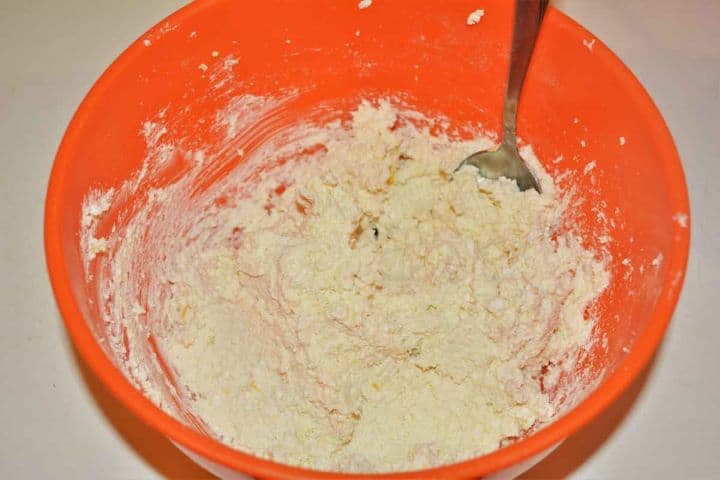
- Place your dry cottage cheese (or well-drained curd cheese) into a large mixing bowl. Using a sturdy fork or potato masher, break up the curds until fine and uniform with no large clumps remaining.
- Add the egg yolks, fine semolina, all-purpose flour, lemon zest, vanilla extract, granulated sugar, and sea salt.
- Mix thoroughly with a wooden spoon or spatula until a cohesive, sticky paste forms.
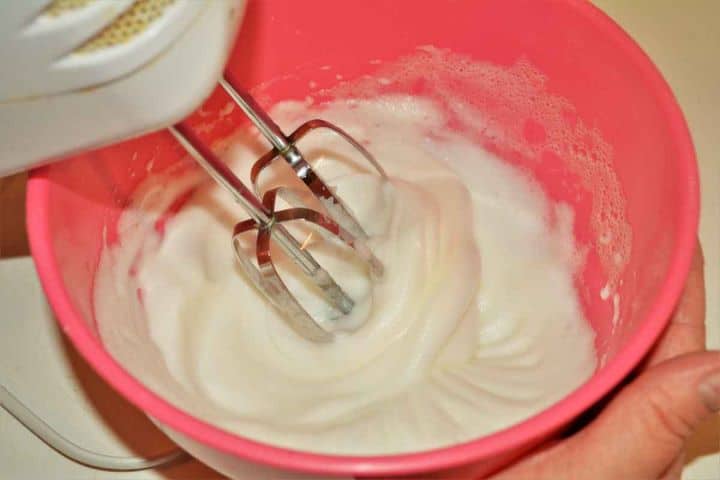
- In a separate, clean, dry bowl, beat the two egg whites using an electric hand mixer on medium-high speed until they reach soft-to-medium peaks (they should hold their shape with a gentle droop at the tip, not dry or stiff).
- Spoon one-third of the whipped egg whites into the cheese mixture and stir gently to lighten the base.
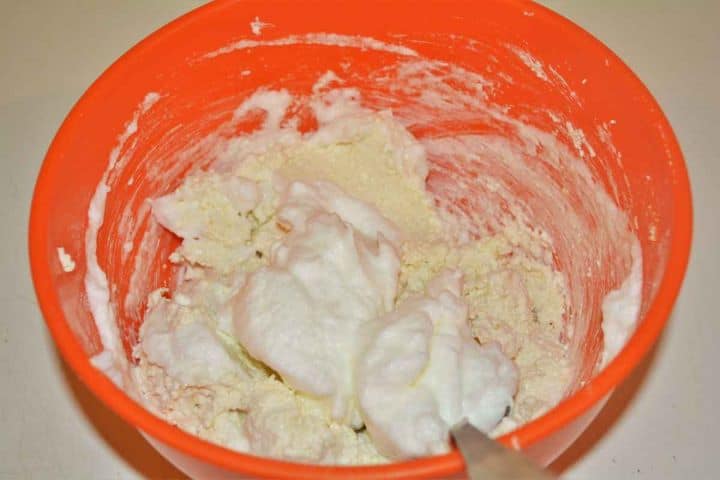
- Add the remaining whites and fold gently with a silicone spatula from the bottom up in wide, sweeping motions until fully incorporated. Take care not to over-mix, as retaining those tiny air bubbles is what makes the dumplings pillowy and light.
3. The Crucial 20-Minute Chill
- Cover the bowl with plastic wrap and place it in the refrigerator for at least 20 to 30 minutes (you can even leave it for up to a few hours).
- Do not skip this step: This resting time allows the fine semolina grains to absorb the moisture from the cheese and eggs, firming up the dough so it holds its shape during cooking.
4. Toast the Breadcrumbs
While the dough is chilling, prepare the crunchy coating:
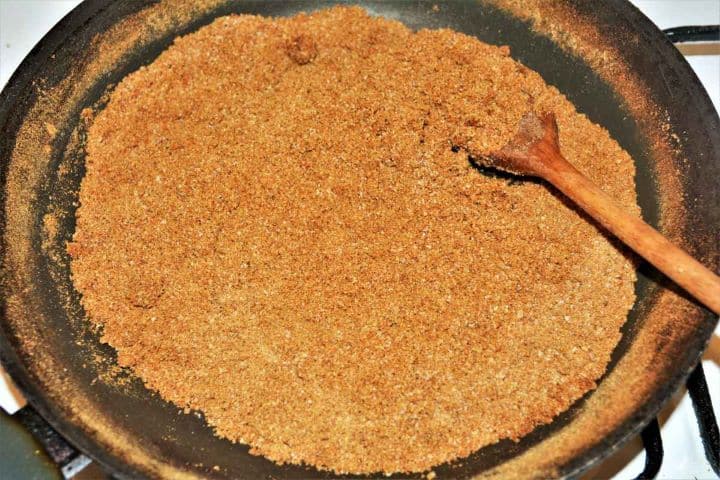
- Heat a wide, dry non-stick frying pan over medium heat. Add the plain breadcrumbs and toast them dry, stirring constantly with a wooden spoon so they toast evenly.
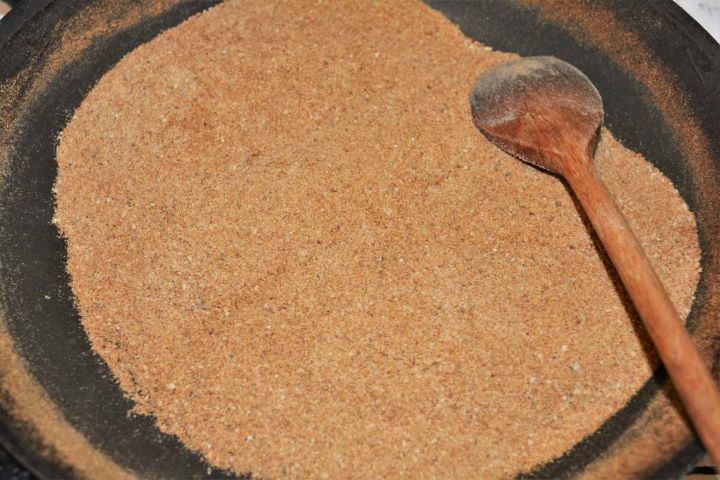
- As soon as the crumbs turn a deep, fragrant golden-copper color (about 4-6 minutes), take the pan off the heat immediately to prevent burning.
- Stir in 1 tablespoon of sunflower oil or melted butter and 1 tablespoon of granulated sugar. The warmth will dissolve the sugar slightly and create a moist, fragrant crumb mixture that clings effortlessly to the dumplings. Set aside.
5. The Foolproof "One-Dumpling Test"
- Bring a wide pot of water with a pinch of salt to a rolling boil, then reduce the heat to medium-low so the water is at a gentle simmer (small, lazy bubbles breaking the surface, not a violent rolling boil).
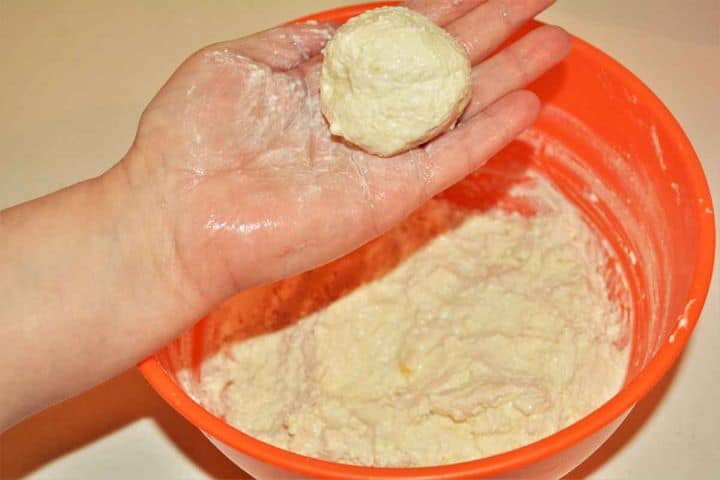
- Wet your palms with cold water. Scoop a rounded tablespoon of chilled dough and roll it gently between your palms into a golf-ball-sized ball (about 3.5-4 cm / 1.5 inches).
- Drop just one test dumpling into the simmering water.
- If it holds together beautifully and floats to the surface within 2-3 minutes, your dough consistency is perfect!
- If the edges begin to fray or soften too much in the water, simply take the dough out of the fridge and fold in 1 extra tablespoon of fine semolina or flour, then let it sit for another 5 minutes before rolling the rest.
6. Simmer the Dumplings
- With moist hands, shape the remaining dough into balls of equal size (you will get around 14 to 16 dumplings).
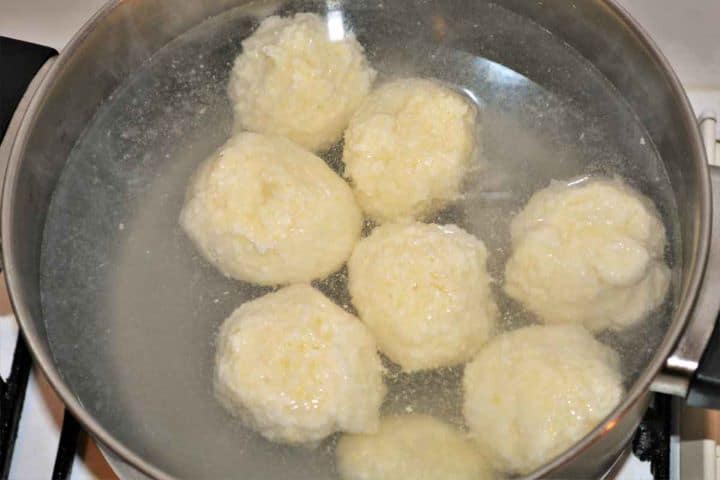
- Gently slide the dumplings into the simmering water in batches (avoid crowding the pot; leave room for them to float).
- Simmer over low-to-medium heat. The dumplings will sink to the bottom at first, then rise to the surface as the trapped air expands.
- Once they float to the top, let them simmer for an additional 2 to 3 minutes to ensure the semolina in the center is completely cooked through.
7. Roll in Toasted Breadcrumbs
- Using a slotted spoon, lift the hot dumplings out of the water, letting any excess water drain off for a couple of seconds.
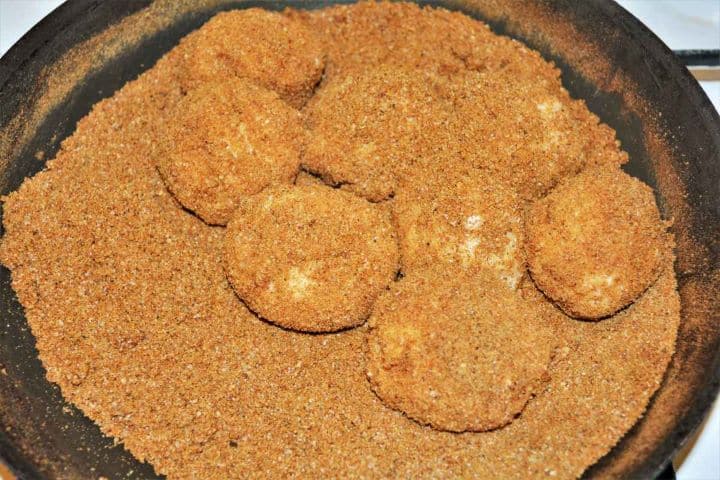
- Transfer them directly into the pan of warm toasted breadcrumbs.
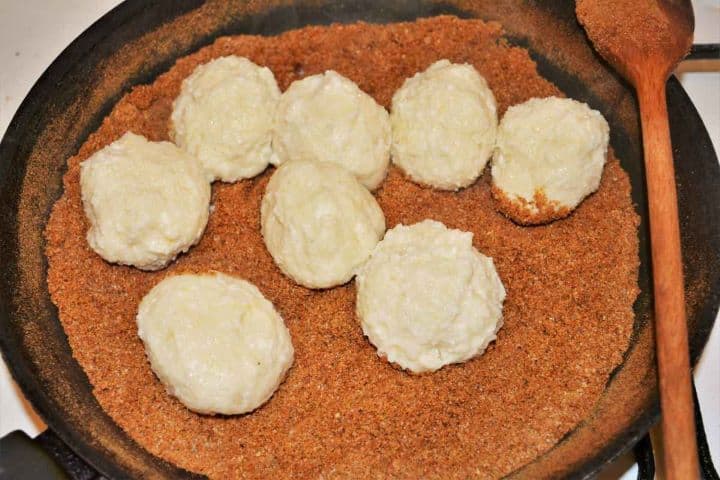
- Gently shake the pan or use two forks to roll each dumpling until it is generously and evenly coated on all sides. Transfer to a warm serving platter.
If you love dumplings rolled in toasted butter breadcrumbs, be sure to also try my traditional Hungarian plum dumplings (Szilvás Gombóc), which use a soft potato dough wrapped around fresh fruit.
8. Whisk the Sweet Vanilla Sour Cream Sauce
While the warm dumplings sit for a couple of minutes to let the breadcrumb coating adhere, prepare the traditional creamy topping:
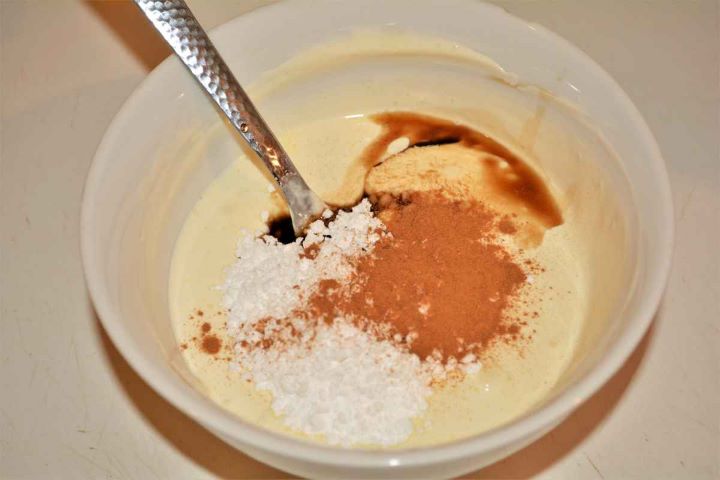
- In a small bowl, combine 4 tablespoons of sour cream (or crème fraîche), 2 tablespoons of powdered sugar, 1 teaspoon of pure vanilla extract, and a pinch of ground cinnamon.
- Whisk gently with a fork or small whisk for about 30 seconds until the sugar dissolves and the cream becomes silky, smooth, and easily spoonable.
- Taste and adjust the sweetness to your preference. Spoon generously over the warm, coated dumplings or serve it on the side for dipping.
Expert Tips & Troubleshooting for Perfect Túrógombóc
Making cottage cheese dumplings is simple, but because the batter has very little flour, small details make the difference between melt-in-your-mouth dumplings and a pot of broken curd soup.
Why Dumplings Disintegrate (and How to Avoid It)
- The water is boiling too violently: A rolling boil physically tears delicate dumplings apart. Always bring the pot to a boil first, then drop the flame to medium-low so the surface only shows quiet, steady bubbles before adding the dumplings.
- The cheese contains too much liquid: Traditional túró is naturally dry and crumbly. If you use tub cottage cheese, never skip draining it in a cheesecloth-lined sieve for 1 to 2 hours. Excess moisture dilutes the egg binder.
- The dough skipped the rest period: Fine semolina requires at least 20 minutes in the refrigerator to absorb moisture and swell. If you boil the balls immediately after mixing, the semolina grains remain hard and the dumplings will break apart.
Pro-Tips for the Best Texture & Flavor
- Always do the "one-dumpling test": Before rolling the entire batch, drop one test ball into the simmering water. If it holds its shape and floats after 2 to 3 minutes, your mixture is balanced. If the surface frays, fold 1 extra tablespoon of flour or semolina into the remaining mixture.
- Shape with wet hands: The dough will be soft and slightly sticky. Keep a small bowl of cold water next to your work surface and moisten your palms between rolling each ball. This creates a smooth exterior skin that holds together in the water.
- Don't over-whip the egg whites: Whip the whites just until soft-to-medium peaks form. If you beat them until stiff and dry, they will be difficult to fold into the dense cheese paste and can cause the dumplings to puff up rapidly in the pot and deflate into rubbery balls once cooled.
- Simmer 2 minutes after floating: When the dumplings rise to the surface, the outside is cooked, but the center still needs 2 to 3 minutes of gentle simmering to fully cook the semolina through.
Coating Variations (Beyond Traditional Breadcrumbs)
While golden breadcrumbs toasted in butter are the undisputed classic, you can easily change up the outer crust for different textures and flavor profiles:
- Toasted Walnut or Almond Coating: Replace half of the breadcrumbs with finely ground walnuts or blanched almonds. Toast them lightly in the dry pan before adding the butter and sugar for a rich, nutty crunch.
- Sweet Poppy Seed (Mákos Gombóc): A beloved Central European staple. Skip the breadcrumbs entirely and roll the warm, moist boiled dumplings in a mixture of finely ground poppy seeds, powdered sugar, and a drizzle of melted butter.
- Crushed Butter Biscuits / Vanilla Wafers: For a lighter, cake-like crust, use finely crushed digestive biscuits, graham crackers, or vanilla wafers instead of dry breadcrumbs.
- Spiced Cinnamon & Gingerbread Crumbs: Add a half-teaspoon of ground cinnamon, a pinch of nutmeg, and a pinch of ground ginger to the breadcrumb pan for an autumnal, festive flavor.
- Gluten-Free Crumb Coating: Swap standard breadcrumbs 1:1 with gluten-free breadcrumbs, crushed gluten-free cornflakes, or toasted almond meal.
How to Serve Hungarian Cottage Cheese Dumplings
In Hungarian homes, Túrógombóc is versatile enough to serve as a comforting afternoon dessert or as a traditional sweet second course. In Central European dining, it is customary to serve a heavy, meat-packed soup-such as traditional Hungarian goulash, smoky bean soup, or cabbage soup-followed by a warm, sweet pastry or dumpling dish as the main meal.
For the most authentic presentation, serve them warm immediately after rolling them in the toasted breadcrumbs:
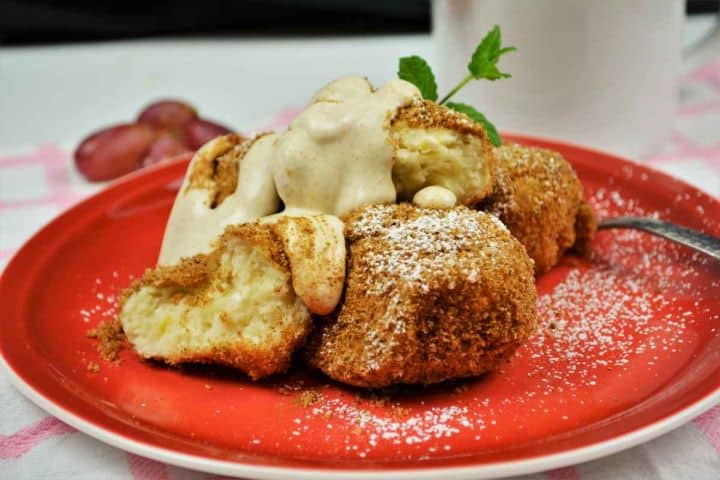
- The Dumplings: Place 3 to 4 warm dumplings on each plate.
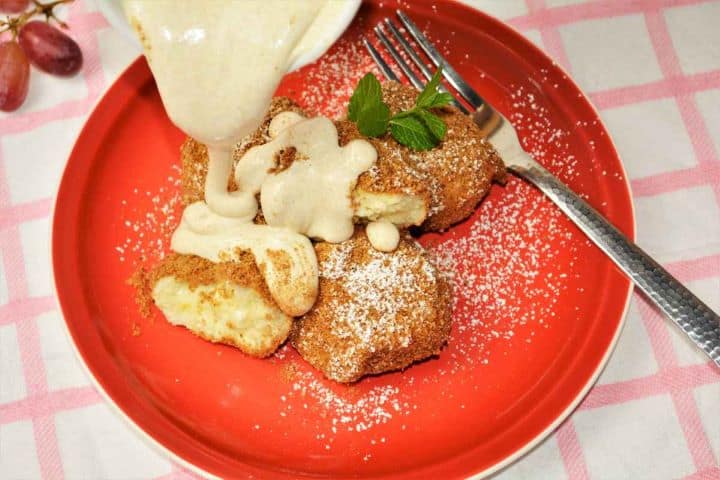
- The Sweet Sour Cream (Tejföl): Spoon a generous pool of the chilled vanilla sour cream sauce directly over the warm dumplings or to the side for dipping. The contrast between warm, tender dumplings and cool, tangy cream is the hallmark of this dish.
- The "Snow" Finish: Dust the entire plate generously with powdered sugar through a fine sieve.
- Fruit Jams & Compotes: While sweet sour cream is traditional, a warm spoonful of tart apricot jam (sárgabarack lekvár), sour cherry compote, or fresh strawberry coulis cuts through the rich dairy beautifully.
How to Store, Make Ahead & Reheat
Can You Make the Dough Ahead of Time?
Yes, and it actually helps! You can prepare the dumpling dough, cover the bowl tightly with plastic wrap, and keep it in the refrigerator for up to 24 hours. The semolina will fully hydrate, making the chilled dough remarkably easy to shape into balls. When you are ready to eat, simply shape the dumplings and drop them straight into simmering water.
Storing Leftovers
Store leftover cooked dumplings in an airtight container in the refrigerator for up to 3 to 4 days. Always store the sweet vanilla sour cream sauce in a separate container so the breadcrumb coating does not absorb moisture and turn soggy.
Best Ways to Reheat Cooked Dumplings
- Skillet / Stovetop (Best Method): Melt a teaspoon of butter in a non-stick frying pan over medium-low heat. Add the cold dumplings and gently roll them around for 4 to 5 minutes until heated through. This warms the soft cheese interior while restoring the crisp, crunchy texture of the breadcrumbs.
- Oven or Air Fryer: Place dumplings on a lined baking tray or air fryer basket. Warm at 160°C (320°F) for 5 to 7 minutes until warm and crisp.
- Microwave (Quickest): Microwave on a plate for 30 to 45 seconds. While quick and tender, the breadcrumbs will be soft rather than crisp.
Can You Freeze Cottage Cheese Dumplings?
- Freeze Raw (Recommended): Shape the cheese dough into balls using wet hands and place them on a parchment-lined baking sheet, leaving space between each. Freeze for 2 hours until solid, then transfer the balls into a zip-top freezer bag for up to 3 months. Cook directly from frozen: Drop them straight into simmering water without thawing, adding 2 extra minutes of simmer time after they float to the surface. Roll in freshly toasted breadcrumbs just before serving.
- Freezing Cooked Dumplings: Avoid freezing dumplings once coated in breadcrumbs, as the crumbs absorb water crystals and turn gummy upon thawing.
Frequently Asked Questions (FAQ)
Dumplings disintegrate in the pot for two main reasons: water boiling too vigorously or excess liquid in the cheese. Keep the water at a gentle simmer with small, rolling bubbles rather than a violent boil that tears the delicate curd network apart. If your cheese has excess whey, ensure it is thoroughly drained in a cheesecloth-lined sieve before mixing.
Yes, but you must drain it. Standard supermarket cottage cheese contains added cream and liquid. Spoon the cheese into a fine-mesh sieve lined with cheesecloth or a clean kitchen towel and let it strain in the fridge for 1 to 2 hours, gently squeezing out the remaining moisture before measuring. Alternatively, look for Polish Twaróg in the world food aisle or block farmer's cheese, which are naturally dry and need no straining.
Dense dumplings occur when too much flour is added or when the egg whites are simply stirred in rather than whipped into soft peaks and folded gently into the cheese base. Beaten egg whites trap tiny pockets of steam, giving the dumplings their signature melt-in-your-mouth lightness.
While both are iconic Hungarian boiled dumplings rolled in toasted breadcrumbs, their dough bases are completely different. Túrógombóc is made from fresh curd cheese (túró), semolina, and eggs without any yeast or potatoes. Szilvás gombóc (plum dumplings) uses a mashed potato-and-flour dough wrapped around a whole Italian prune plum stuffed with cinnamon sugar.
Yes. Replace the all-purpose wheat flour with a 1:1 gluten-free baking flour blend, and replace the semolina with an equal amount of fine polenta (corn semolina) or coarse rice semolina. Use certified gluten-free breadcrumbs for the coating.
Traditional Savory Soup Pairings (The Hungarian Two-Course Meal)
- In Hungarian home cooking, sweet dumplings are often served as a hearty second course immediately following a rich bowl of authentic Hungarian goulash soup. The tart, sweet sour cream topping balances the smoky paprika broth perfectly.
- For a classic everyday comfort dinner, pair these dumplings with my smoky Hungarian potato soup with kolbász.
- If you want an authentic Sunday feast, start your meal with traditional white bean soup with smoked ribs before serving these warm dumplings.
- These light dumplings also pair wonderfully with vegetable-forward soups like my hearty Savoy cabbage soup with frankfurters.
Join the Community & Cook Along With Me!
I hope this recipe brings a comforting, authentic taste of Hungarian tradition to your family table! There is nothing I love more than seeing home cooks bring these nostalgic recipes to life in their own kitchens.
If you made these Hungarian cottage cheese dumplings, here is how we can stay connected:
- Leave a Review: Please leave a comment and a 5-star rating below! Your feedback helps other home cooks find authentic recipes and means the world to my kitchen.
- Subscribe on YouTube: Watch the complete step-by-step video tutorial for this recipe, plus dozens of traditional European dishes and baking guides.
- Tag Me on Instagram & Facebook: Snap a picture of your golden dumplings and tag @timeaskitchen so I can see and share your creations!
- Pin for Later on Pinterest: Save this recipe to your favorite dessert or European cooking boards so it's always on hand when sweet cravings strike.
Jó étvágyat and happy cooking!
Related
Looking for other cottage cheese recipes like this? Try these:
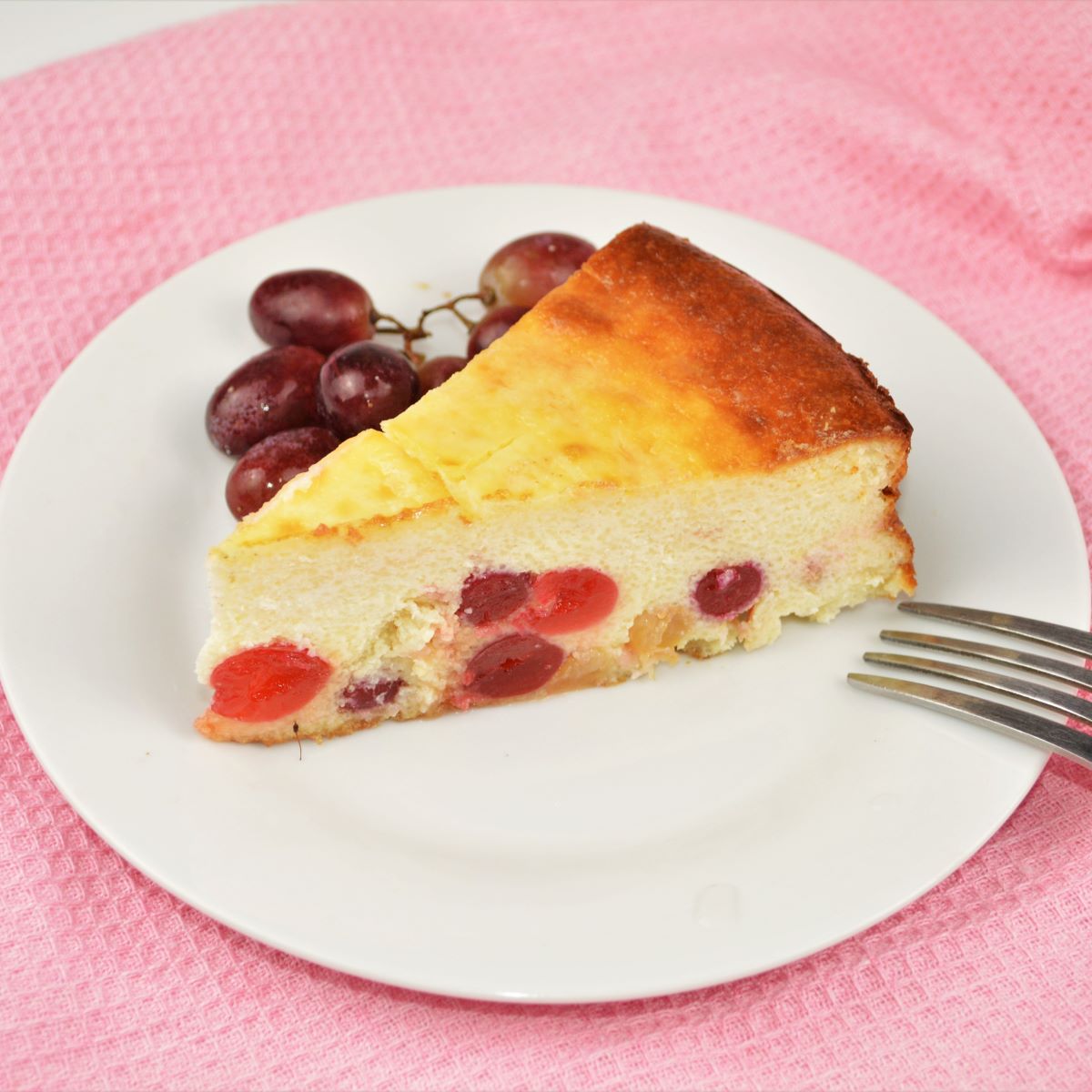
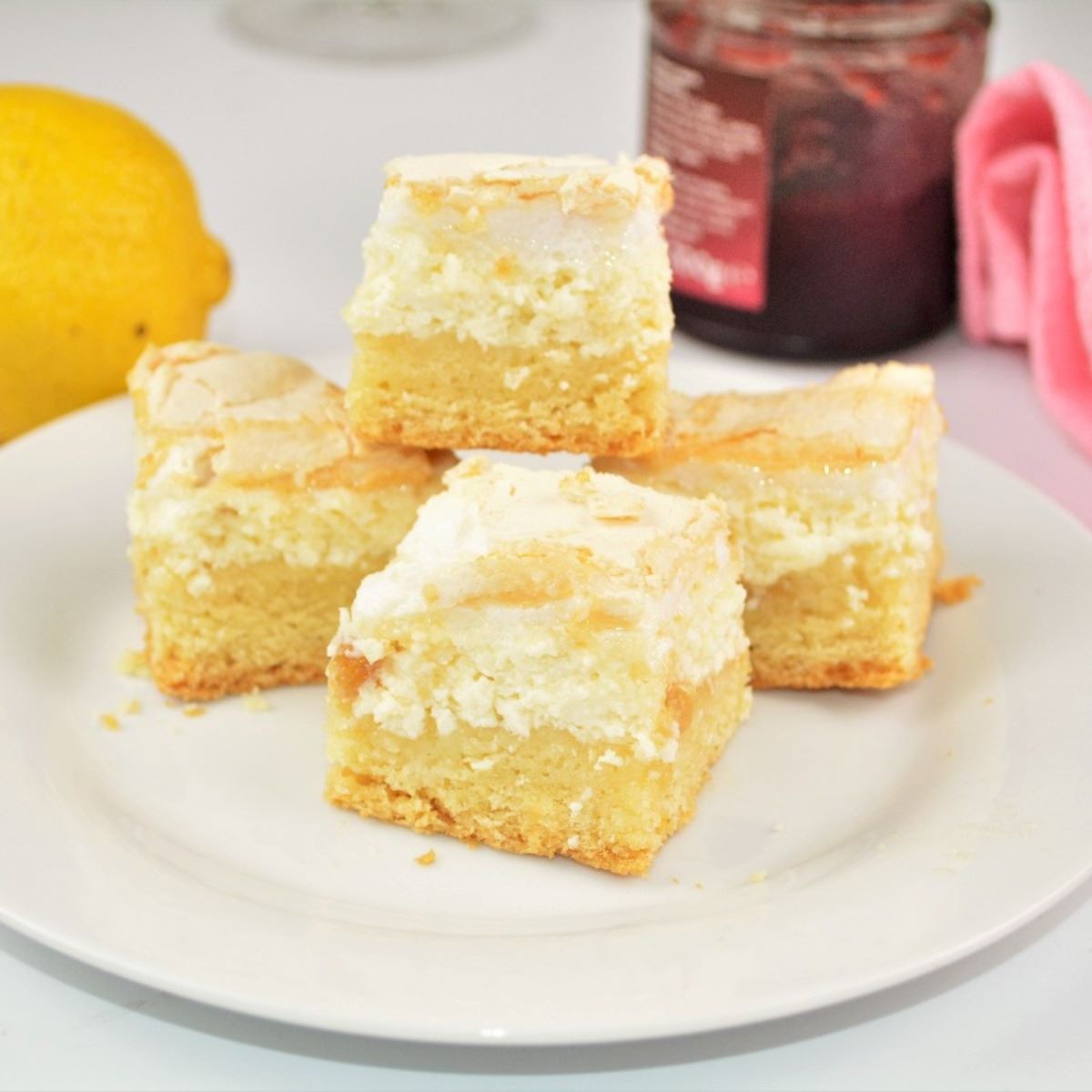


Pairing
These are my favorite dishes to serve with the best Hungarian cottage cheese dumplings:



Authentic Hungarian Cottage Cheese Dumplings (Túrógombóc)
Equipment
- 1 Wide pot or Dutch oven for simmering
- 1 Large non-stick frying pan
- 1 Large Mixing Bowl
- 1 Medium Bowl for whipping egg whites
- 1 electric hand mixer or wire whisk
- 1 Slotted Spoon
Ingredients
For the Fluffy Dumplings:
- 500 g cottage cheese dry curd, túró, Polish twaróg, or well-drained farmer's cheese
- 3 tablespoon semolina fine, búzadara
- 3 tablespoon all-purpose flour plain flour
- 2 pieces eggs large, separated into whites and yolks
- 2 teaspoon sugar granulated
- 1 piece lemon zest finely grated zest only
- 1 teaspoon vanilla essence or pure vanilla extract
- ½ teaspoon sea salt fine
For the Golden Sweet Breadcrumb Coating:
- 150 g breadcrumbs fine plain dry
- 1 tablespoon sunflower oil or unsalted butter
- 1 tablespoon sugar granulated
- ½ teaspoon ground cinnamon optional
For the Sweet Vanilla Sour Cream Sauce:
- 4 tablespoon creme Fraiche or sour creme
- 2 tablespoon icing sugar powdered sugar
- 1 teaspoon vanilla essence or pure vanilla extract
- 1 teaspoon cinnamon powder for dusting
Instructions
1. Make the Cheese Base
- Place the dry curd cheese into a large mixing bowl. Break it apart thoroughly with a fork or potato masher until you have fine, uniform curds with no large lumps.
- Add the egg yolks, fine semolina, plain flour, lemon zest, granulated sugar, vanilla extract, and sea salt.
- Mix with a wooden spoon or spatula until combined into a cohesive, thick cheese paste.
2. Whip & Fold the Egg Whites
- In a separate, clean, dry bowl, whip the egg whites with an electric hand mixer on medium-high speed until they reach soft peaks (they should hold their shape gently without being stiff or dry).
- Add one-third of the whipped whites into the cheese paste and stir gently to loosen the texture.
- Gently fold in the remaining egg whites using a silicone spatula from the bottom up until fully incorporated and light.
3. Rest the Dough
- Cover the bowl with plastic wrap and chill in the refrigerator for at least 20 to 30 minutes. (Do not skip this step: the semolina needs time to hydrate and bind the mixture).
4. Toast the Breadcrumbs
- While the dough chills, place a wide dry frying pan over medium heat. Add the breadcrumbs and toast dry, stirring constantly with a wooden spoon so they toast evenly.
- Once the crumbs turn a deep, fragrant golden-copper color (about 4-6 minutes), take the pan off the heat.
- Immediately stir in 1 tablespoon of sunflower oil (or melted butter) and 1 tablespoon of sugar. Mix thoroughly so the crumbs are evenly coated and slightly moist. Set aside.
5. Shape & Simmer the Dumplings
- Fill a large pot with lightly salted water and bring to a gentle boil, then lower the heat so the water is at a gentle simmer with small, steady bubbles.
- Moisten your hands with cold water. Scoop a rounded tablespoon of chilled dough and roll gently between your palms into a ball about the size of a golf ball (approx. 3.5-4 cm / 1.5 in).
- The Test Dumpling: Drop 1 test ball into the simmering water. It should sink, rise to the top within 2-3 minutes, and hold its shape. (If it feels fragile or frays, fold 1 extra tablespoon of flour or semolina into the remaining dough before continuing).
- Shape the rest of the dough into balls with moist hands. Gently drop them into the simmering water in batches without overcrowding.
- Simmer over medium-low heat. Once they float to the surface, cook for an additional 2 to 3 minutes so the center cooks through completely (total simmering time: 4-5 minutes).
6. Coat with Breadcrumbs
- Lift the hot dumplings out of the water using a slotted spoon, letting excess water drain for 2-3 seconds.
- Transfer them directly into the pan of warm toasted breadcrumbs. Roll and shake gently until each dumpling is completely coated. Place on a warm serving dish.
7. Whisk Vanilla Cream & Serve
- In a small bowl, whisk together the sour cream (or crème fraîche), powdered sugar, vanilla extract, and a pinch of cinnamon until smooth.
- Serve the dumplings warm, generously topped with a dollop of sweet vanilla sour cream and a dusting of powdered sugar.
Video
Notes
- Cheese Consistency: Excess moisture is the main cause of dumplings disintegrating. If using regular tub cottage cheese, drain it in a cheesecloth-lined sieve in the fridge for 1-2 hours and squeeze out excess liquid before measuring. Polish Twaróg or block farmer's cheese require no straining.
- Gentle Simmer: Never drop dumplings into violently boiling water, which tears the delicate curds apart. Keep the water at a gentle, rolling simmer.
- Make-Ahead: You can prepare the dough up to 24 hours in advance and keep it refrigerated. Roll and boil just before serving.
- Reheating: Reheat leftovers in a lightly buttered skillet over medium-low heat for 4-5 minutes to restore the crispy breadcrumb coating.
Nutrition
This post contains affiliate links. Read the full disclosure here.