

If you love rich, comforting European stews, this turkey paprikash recipe brings authentic Hungarian flavor straight to your weeknight table in just 40 minutes. Tender, juicy cubes of turkey breast simmer gently with sweet onions and vibrant Hungarian paprika before finishing in a luscious, velvety cream sauce.
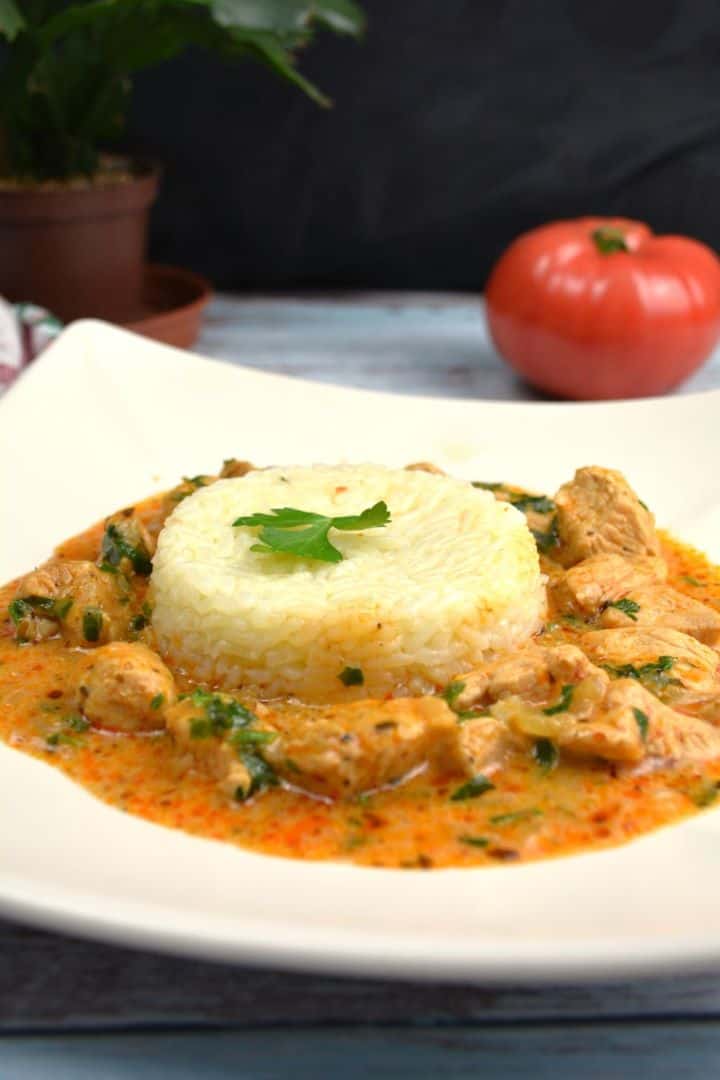
While chicken is the traditional staple for classic paprikash, lean turkey breast is an incredible alternative-it cooks faster, absorbs the savory aromatics beautifully, and stays succulent when simmered on gentle heat.
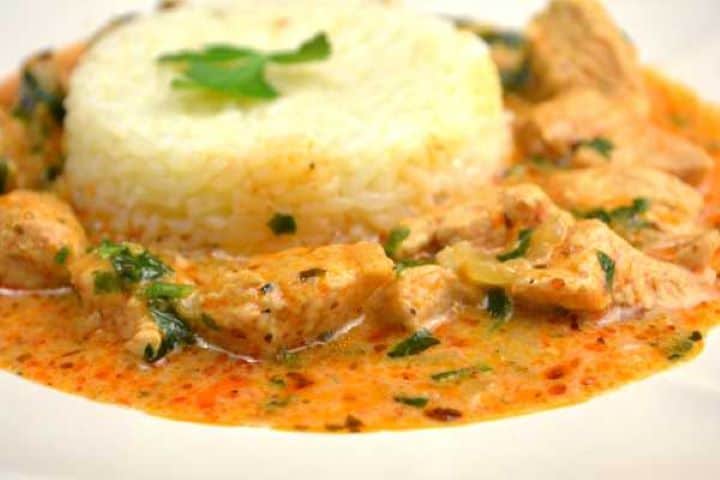
Served piping hot over a bed of fluffy steamed white rice, every spoonful delivers the perfect balance of smoky-sweet paprika and silky cream. It is a foolproof, cozy one-pan dinner that the entire family will ask for again and again.
Jump to:
- Why You'll Love This Recipe
- Key Ingredients & Flavor Notes
- Easy Ingredient Swaps & Variations
- Watch the Step-by-Step Video Tutorial
- How to Make Turkey Paprikash (Step-by-Step)
- Chef's Pro Tips for the Best Turkey Paprikash
- Troubleshooting Guide: Common Mistakes & Quick Fixes
- What to Serve with Turkey Paprikash
- Storage, Make-Ahead & Reheating Instructions
- Frequently Asked Questions (FAQ)
- More Authentic Hungarian & Comfort Stews
- Connect With Timea's Kitchen
- related
- Easy Turkey Paprikash Recipe
Why You'll Love This Recipe
- Quick & Weeknight-Friendly: From chopping board to table in just 40 minutes with simple pantry spices.
- Naturally Gluten-Free: Thickened with a quick cornstarch liaison rather than traditional wheat flour.
- Tender & Never Dry: Gentle simmering keeps lean turkey breast moist and deeply flavorful.
- Versatile Serving Options: Pairs effortlessly with everyday steamed rice, buttered noodles, or warm crusty bread.
Key Ingredients & Flavor Notes
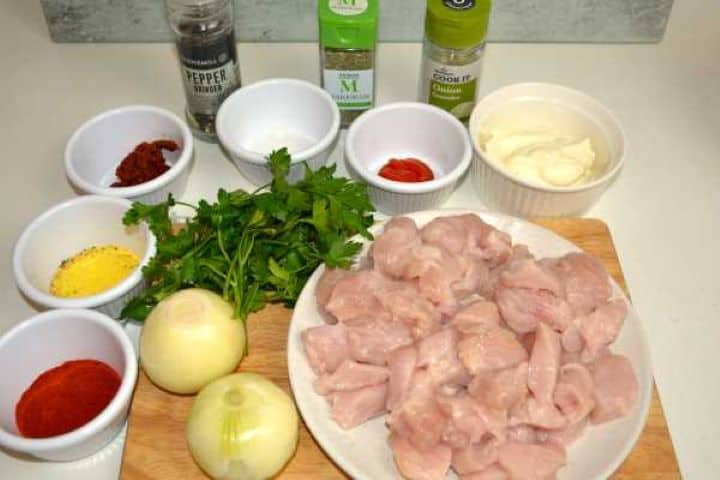
This easy turkey paprikash relies on a handful of simple pantry staples and authentic Central European seasonings. Here is what you need and how each ingredient builds rich, traditional flavor:
- Turkey Breast: Diced into uniform, bite-sized cubes so they cook quickly and evenly without drying out.
- Sweet Hungarian Paprika (Édesnemes): The undisputed star of the dish. Use a high-quality, genuine sweet or mild Hungarian paprika for its vibrant ruby color and deep, fruity pepper aroma. Avoid smoked Spanish paprika (pimentón), as smoke will overpower the delicate sauce.
- Onions: Finely chopped yellow onions provide the sweet, savory foundational base for the entire stew as they soften gently in the oil.
- Tomato Paste & Paprika Paste: A tablespoon of tomato paste and a teaspoon of mild pepper paste (such as Hungarian Piros Arany or sweet red pepper paste) add a rich umami depth and an intense reddish hue to the sauce.
- Dried Marjoram & Onion Powder: Marjoram is a classic herb in Central European poultry stews, adding a warm, herbal note that complements the sweet paprika.
- Double Cream or Crème Fraîche: Provides a velvety, luxurious body that balances the spices.
- Cornstarch (Corn Flour): Whisked into the cream to create a smooth, glossy liaison that thickens the simmering broth without lumps, keeping the dish naturally gluten-free.
- Fresh Parsley: Finely chopped and stirred in at the very end to bring a burst of herbal freshness and bright green contrast.
Easy Ingredient Swaps & Variations
- Turkey Thighs Instead of Breast: If you prefer richer, darker meat, swap the breast for boneless, skinless turkey thighs. Thigh meat contains more connective tissue, so let it simmer for an extra 10 to 15 minutes until tender.
- Using Leftover Roast or Holiday Turkey: This recipe is a fantastic way to repurpose leftover cooked turkey. Simply prepare the onion and paprika base, add the liquid to simmer, and stir in your shredded or cubed cooked turkey during the last 5 minutes of cooking just to heat it through without drying it out.
- Traditional Sour Cream (Tejföl): For a tangier, classic Hungarian finish, replace the double cream with full-fat sour cream. Whisk the cornstarch directly into the sour cream, then temper it with a ladle of hot broth before pouring it into the pan to prevent separation.
- Full-Fat Greek Yogurt: A great lighter substitute for cream that still delivers a pleasant tang. Stir it in over low heat at the very end of cooking.
- All-Purpose Flour: If you do not have cornstarch on hand, whisk 2 tablespoons of plain all-purpose flour thoroughly into the cream before adding it to the simmering stew.
- Vegetarian Alternatives: Looking for a vegetarian option? Try our hearty Hungarian Mushroom Paprikash, which uses the same rich sour cream and paprika base with earthy cremini mushrooms.
Watch the Step-by-Step Video Tutorial
If you are a visual learner, watch the full video tutorial below to see this creamy turkey paprikash come together in real-time. Follow along to see the exact visual cues for blooming the Hungarian paprika and whisking the velvety cream liaison so your sauce turns out silky, thick, and lump-free every single time!
How to Make Turkey Paprikash (Step-by-Step)
1: Prep the Ingredients
- Cut 500 g of turkey breast into uniform, bite-sized cubes (about 2-3 cm / 1 inch). Keeping them equal in size ensures the lean meat cooks evenly without drying out.
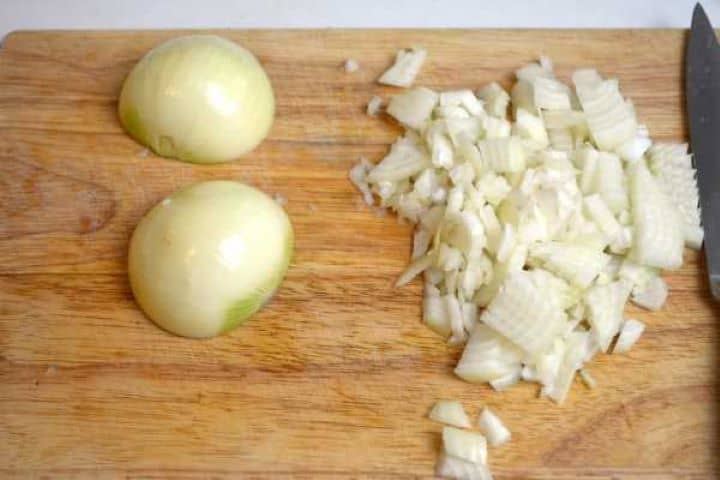
- Finely chop 2 medium yellow onions. A fine dice helps the onions melt seamlessly into the sauce during simmering.
2: Sauté the Onions
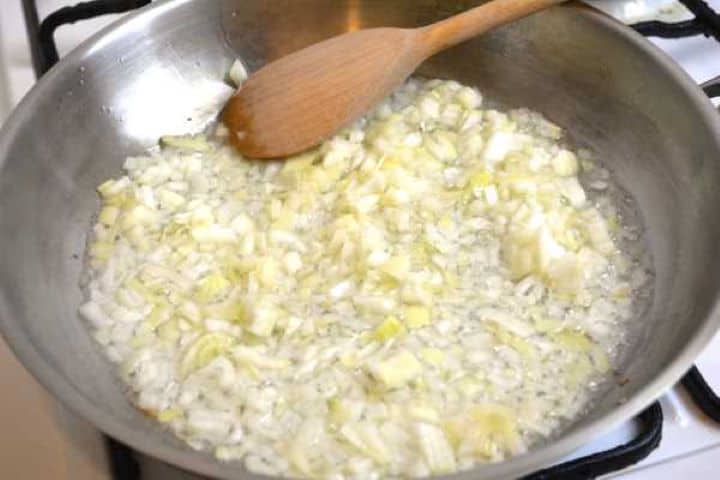
- Heat 3 tablespoons of vegetable oil in a large, deep frying pan or Dutch oven over medium heat.
- Add the chopped onions along with ½ teaspoon of sea salt (the salt helps draw out moisture so the onions soften rather than fry).
- Cook for 3 to 4 minutes, stirring frequently, until the onions turn soft, translucent, and glossy. Do not let them turn dark brown.
3: Sear the Turkey & Bloom the Spices
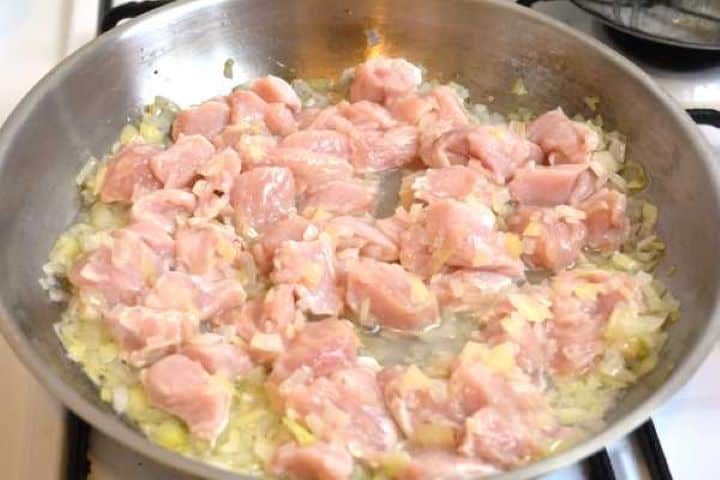
- Add the diced turkey breast to the softened onions. Stir and cook over medium heat for 2 to 3 minutes just until the meat turns opaque and white on all sides.
- Lower the heat slightly and add the remaining 1 teaspoon sea salt, ½ teaspoon freshly ground black pepper, 1.5 teaspoons sweet Hungarian paprika, 1 teaspoon onion powder, 1 teaspoon dried marjoram, 1 tablespoon tomato paste, and 1 teaspoon red pepper paste.
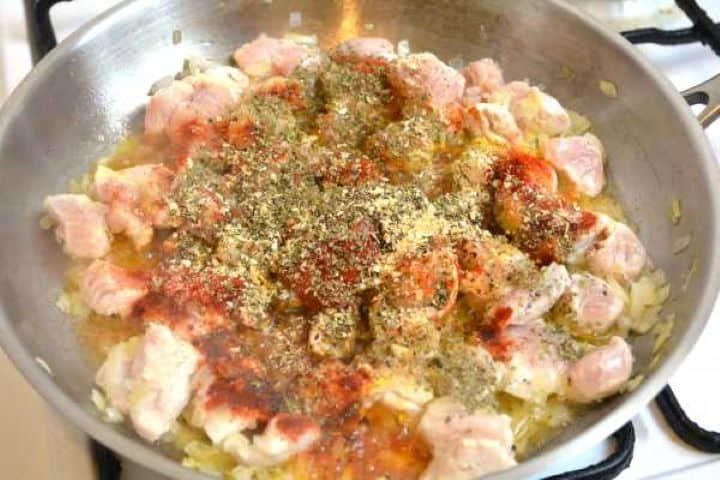
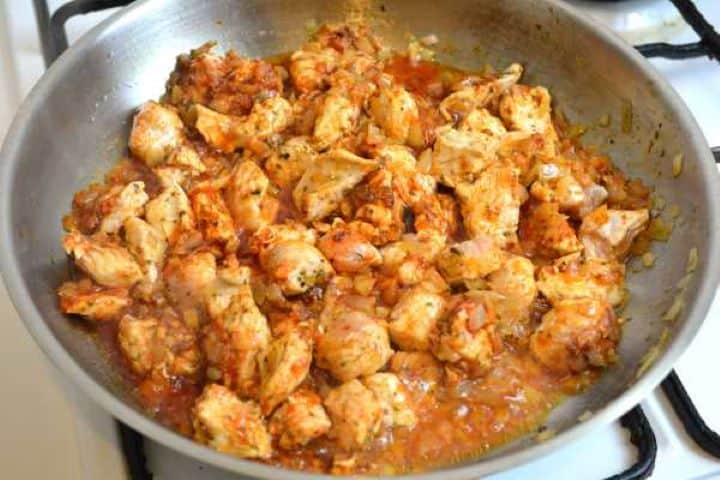
- Stir constantly for 30 to 45 seconds so the warm oil coats the meat and activates the rich essential oils in the paprika and herbs.
4: Simmer to Tender Perfection
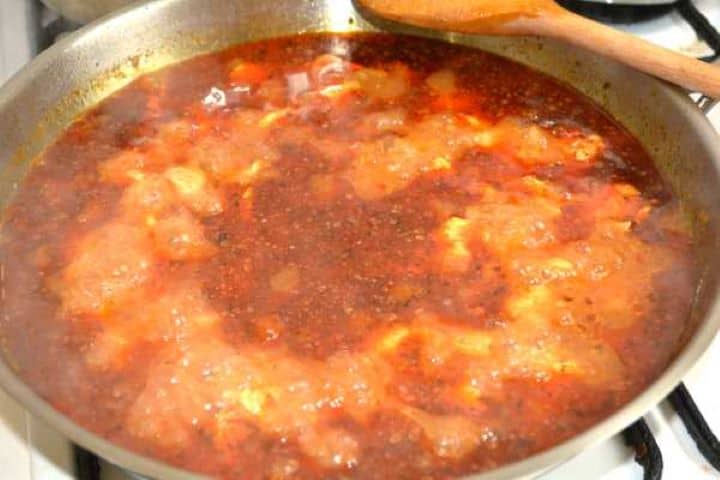
- Pour in 750 ml of water (enough liquid to comfortably submerge the meat).
- Bring the pan to a gentle simmer, then reduce the heat to medium-low.
- Cover partially with a lid and let it simmer for 25 to 30 minutes, until the turkey is tender and the liquid has reduced into a fragrant, savory red broth.
5: Thicken the Creamy Paprika Sauce
- In a small bowl, whisk together 2 teaspoons of cornstarch and 150 ml of double cream (or crème fraîche) until completely smooth with no lumps.
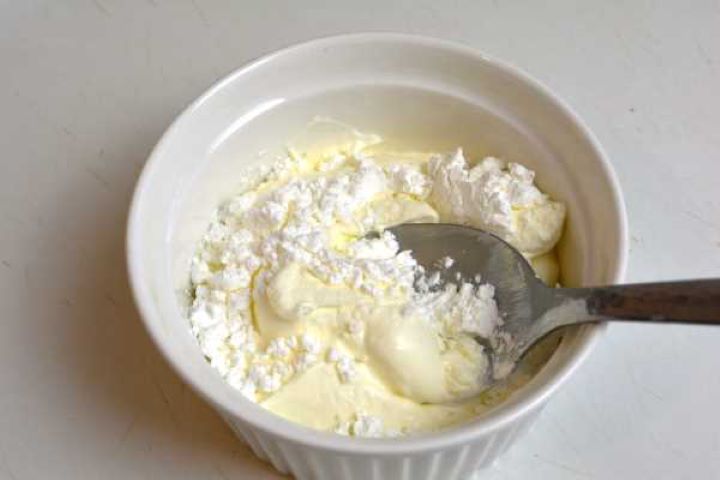
- Pour the cream mixture slowly into the simmering pan while gently stirring.
- Let the sauce simmer on low heat for 4 to 5 minutes, stirring occasionally, until the gravy bubbles, thickens, and turns glossy and velvety enough to coat the back of a spoon.
6: Garnish and Serve
- Remove the pan from the heat immediately.
- Stir in ½ bunch of fresh finely chopped parsley for a pop of fresh flavor and bright color contrast.
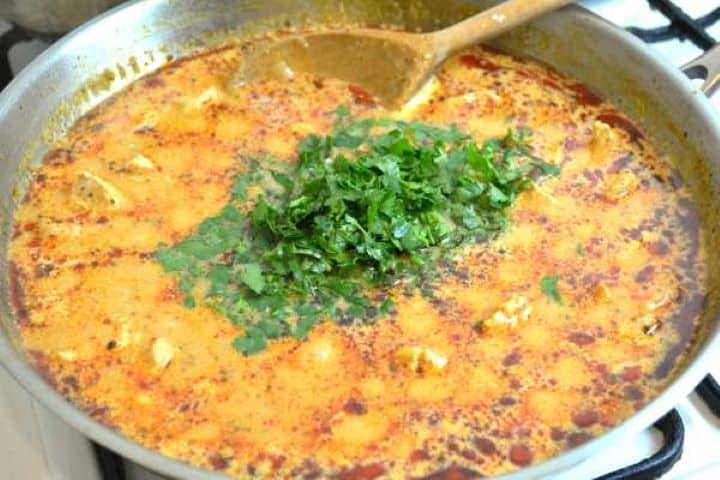
- Spoon generously over a warm bed of steamed white rice, boiled buttered potatoes, or egg noodles, and serve hot!
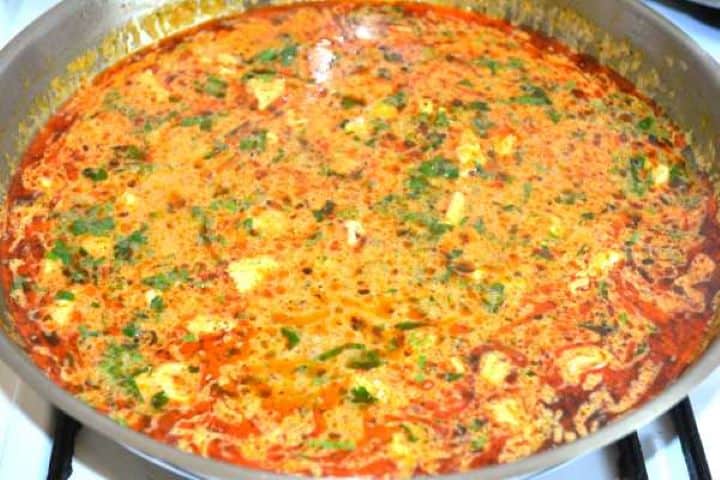
Chef's Pro Tips for the Best Turkey Paprikash
- Keep the Turkey Breast Succulent: Turkey breast is naturally lean and dries out quickly if subjected to aggressive heat. Sear the meat just until the exterior turns opaque and white-never brown it deeply or fry it dry. Keep the pan at a gentle, rolling simmer rather than a hard boil so the protein fibers remain soft and tender.
- Never Burn the Paprika: Ground Hungarian paprika contains natural sugars that burn instantly if exposed to dry, scorching heat, turning the sauce dark and unpleasantly bitter. Always coat the meat and onions quickly off high heat or immediately add your tomato paste and liquid to quench the pan within 30 to 45 seconds.
- Control the Dice Size: Aim for uniform 2.5 cm (1-inch) cubes. If the pieces are cut too small, they will overcook and shred into the gravy before the sauce has a chance to reduce.
- Stir in Parsley Off the Heat: Fresh parsley loses its bright, peppery note and vibrant green color if boiled. Always take the pan off the burner before stirring in the chopped parsley right before ladling onto plates.
Troubleshooting Guide: Common Mistakes & Quick Fixes
- How to Prevent the Cream from Curdling or Splitting:
- Use High-Fat Dairy: Double cream and heavy cream have high fat content and naturally resist curdling.
- Temper if Using Sour Cream: If you swap the double cream for traditional Hungarian sour cream (tejföl) or crème fraîche, always whisk the cornstarch into the cold cream first, ladle in 2 to 3 tablespoons of hot broth from the pan into your bowl to equalize the temperature ("tempering"), and then stir the warm mixture into the pan over low heat.
- Keep the Simmer Gentle: Never let the stew boil violently once the dairy is added.
- What to Do If the Sauce Is Too Thin:
- Let the pan simmer uncovered for an extra 2 to 3 minutes on low heat to allow excess moisture to evaporate. If it still needs body, mix an extra ½ teaspoon of cornstarch with 1 tablespoon of cold water in a cup, stir it into the simmering stew, and let it bubble for 1 minute until thickened.
- What to Do If the Sauce Is Too Thick:
- Paprikash sauce naturally thickens as it cools or rests. Simply stir in a splash (2 to 3 tablespoons) of warm water or low-sodium chicken broth over gentle heat until it returns to a silky, pourable consistency.
- Fixing a Sauce That Tastes Bitter:
- Bitterness happens when paprika gets scorched or overcooked in hot fat. To neutralize the harsh edge, stir in a pinch of sugar (¼ teaspoon) along with an extra splash of cream or a teaspoon of butter to mellow out the acidity and richness.
What to Serve with Turkey Paprikash
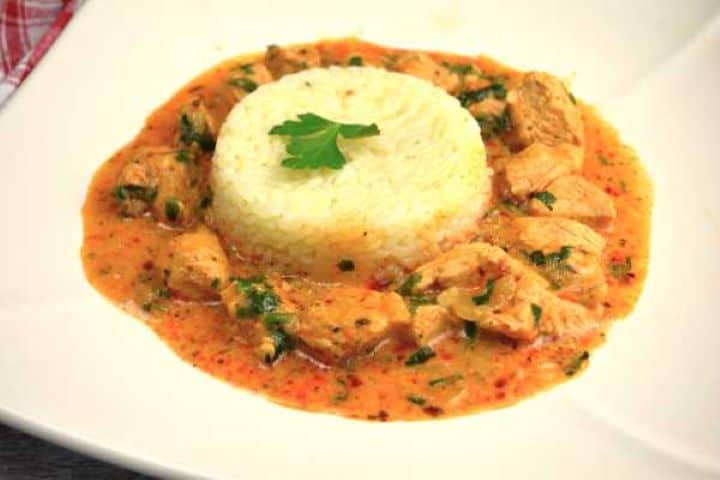
- Fluffy Steamed White Rice: As shown in the photos, a generous bed of warm white rice or jasmine rice is a wonderful everyday pairing. The grains absorb the creamy paprika gravy effortlessly, making the entire meal naturally gluten-free.
- Traditional Hungarian Nokedli or Egg Noodles: If you want a classic restaurant-style presentation, spoon this stew over tender homemade Hungarian drop dumplings (nokedli) or buttered wide egg noodles.
- Boiled Buttered Potatoes: Baby potatoes boiled and tossed with fresh parsley and butter offer a hearty, rustic base that balances the rich sauce.
- Crusty Sourdough Bread: Thick slices of fresh sourdough or country bread are perfect for wiping the plate clean and catching every drop of sauce.
- Tangy Pickles & Salads (Essential for Balance): Because paprikash is rich and creamy, it pairs best with bright, acidic sides. Serve it alongside a traditional Hungarian sour cream cucumber salad (tejfölös uborkasaláta), pickled baby peppers (almapaprika), or crisp dill pickles to cut through the richness.
- Completing the Hungarian Menu: For a complete Central European feast, pair this savory main with a sweet finish like our traditional Authentic Hungarian Császármorzsa (Shredded Semolina Pancake) served with tart fruit jam.
Storage, Make-Ahead & Reheating Instructions
- How to Store in the Fridge: Let the paprikash cool down completely to room temperature. Transfer it to an airtight container and refrigerate for up to 3 to 4 days. Like many traditional stews, the paprika flavor deepens and tastes even better the next day.
- How to Reheat on the Stovetop (Best Method): Place the paprikash in a small saucepan over medium-low heat. The sauce thickens considerably when chilled, so stir in 2 to 3 tablespoons of water or chicken broth to restore its glossy, pourable texture. Heat gently until warmed through-do not let it come to a rapid boil, which can cause the cream to separate.
- How to Reheat in the Microwave: Place an individual serving in a microwave-safe bowl and cover with a paper towel. Reheat on 70% power in 45-second intervals, stirring between bursts to distribute heat evenly and prevent hot spots.
- Can You Freeze Turkey Paprikash? You can freeze it in a freezer-safe container for up to 2 months. Keep in mind that dairy and cornstarch sauces can loosen or look slightly separated once thawed. To fix this, thaw the stew overnight in the refrigerator, reheat it gently in a pan over low heat, and whisk vigorously to bring the velvety emulsion back together.
Frequently Asked Questions (FAQ)
While all three are cornerstone Hungarian dishes seasoned with sweet paprika and onions, their texture and dairy content set them apart:
-Paprikash (Paprikás): Uses lighter meats (poultry, veal, or fish) and is defined by finishing the stew with cream or sour cream (tejföl) to create a silky, pale red gravy.
-Pörkölt: A thick, rich meat stew cooked down with onions, paprika, and lard without adding dairy.
-Goulash (Gulyás): A hearty, brothy soup cooked with beef, root vegetables, potatoes, and pinched noodles (csipetke), never cream.
Yes! It is one of the best ways to repurpose leftover roast turkey without it drying out. Sauté the onions, bloom the paprika, and simmer the water with seasonings for 15 minutes to build the flavor base. Add your shredded or cubed cooked turkey along with the cream liaison during the final 5 minutes just to warm through.
Yes. Sour cream gives the dish an authentic, slightly tangy profile. Because sour cream has a lower fat content and can split when exposed to high heat, always whisk the cornstarch directly into the cold sour cream, stir in 2 tablespoons of warm broth from the pan to temper it, and reduce the stove heat to low before adding it in.
Yes, this recipe is naturally gluten-free as written because the sauce is thickened with cornstarch instead of all-purpose wheat flour. When serving, pair it with steamed white rice or certified gluten-free pasta.
Turkey breast is very lean and toughens if boiled aggressively. To keep it succulent:
1. Cut the meat into uniform, bite-sized cubes so they cook at the same rate.
2. Sear the meat quickly over medium heat just until the pink color turns white (2-3 minutes).
2. Simmer gently over medium-low heat with the lid partially on-never let the broth boil rapidly.
Bitterness is almost always caused by scorching the ground paprika in hot oil. Sweet Hungarian paprika has natural sugars that burn in seconds over direct, dry heat. Always stir in the paprika quickly with the meat and aromatics, and add the water/liquid within 30 to 45 seconds to stop the cooking process.
Yes. Paprikash reheats remarkably well because the spices and aromatics continue to infuse the meat as it rests. Store it in an airtight glass container in the refrigerator for up to 4 days. When reheating, add a small splash of water or broth to loosen the sauce back into a pourable consistency.
More Authentic Hungarian & Comfort Stews
If you loved this creamy turkey paprikash, explore these classic Hungarian and European comfort stews from the kitchen:
- Hungarian Beef Paprikash: Tender chunks of beef slow-simmered in a deep, rich onion and sweet paprika gravy.
- Creamy Chicken Stew Recipe (Csirkepaprikás): The iconic Hungarian classic made with juicy chicken simmered in a silky sour cream sauce.
- Creamy Pork Stew: Hearty, melt-in-your-mouth pork simmered gently in a savory paprika base.
- Best Turkey Stew Recipe: Another light, wholesome poultry dinner loaded with tender vegetables and fragrant herbs.
Connect With Timea's Kitchen
Did you make this creamy turkey paprikash? I'd love to see how it turned out at your dinner table!
- Rate & Comment: Leave a 5-star rating and drop a comment below-it helps other home cooks find this recipe and supports the blog!
- Pin for Later: Save this recipe to your favorite Pinterest dinner board so you always have it ready for busy weeknights.
- Tag Your Creations: Snap a photo of your plate and tag us on Instagram or Facebook so we can share your culinary masterpiece.
- Watch on YouTube: Subscribe to our YouTube channel for more weekly step-by-step video tutorials straight from our Hungarian and Transylvanian kitchen!
related
Looking for other delicious turkey recipes like this? Try these:


Easy Turkey Paprikash Recipe
Equipment
- 1 Large Frying Pan or Dutch Oven
Ingredients
Meat & Produce
- 500 g turkey breast meat diced into equal 2.5 cm / 1-inch cubes
- 2 pcs yellow onions medium size, finely chopped
- ½ bunch parsley finely chopped
Pantry & Spices
- 3 tablespoon sunflower oil or vegetable oil
- 1.5 teaspoon sea salt divided use
- ½ teaspoon ground pepper freshly ground
- 1.5 teaspoon paprika Hungarian mild, Édesnemes
- 1 teaspoon pepper paste mild, such as Piros Arany or sweet red pepper paste
- 1 tablespoon tomato paste
- 1 teaspoon onion powder or granules
- 1 teaspoon marjoram dried
- 750 ml water
Dairy & Thickener
- 2 teaspoon cornstarch corn flour
- 150 ml creme fresh or double cream
Instructions
- Prep the base: Heat the sunflower oil in a large pan over medium heat. Add the finely chopped onions and ½ teaspoon of sea salt. Sauté for 3 to 4 minutes, stirring constantly, until the onions are soft and translucent (do not brown them).
- Sear the meat: Add the cubed turkey breast to the pan. Sauté over medium heat for 2 to 3 minutes just until the turkey turns slightly white and opaque on the outside.
- Bloom the spices: Lower the heat slightly. Add the remaining 1 teaspoon of sea salt, black pepper, sweet Hungarian paprika, onion powder, dried marjoram, tomato paste, and pepper paste. Stir constantly for 30 to 45 seconds to coat the meat and release the aromas (be careful not to burn the paprika).
- Simmer: Pour in the 750 ml of water to cover the meat. Bring to a gentle simmer, reduce the heat to medium-low, cover partially with a lid, and cook for 25 to 30 minutes until the turkey is tender.
- Thicken the sauce: In a small bowl, whisk the cornstarch into the double cream until completely smooth and lump-free. Slowly pour this mixture into the simmering pan, stirring constantly.
- Finish and serve: Let the sauce simmer on low heat for 4 to 5 minutes until it thickens into a glossy, creamy gravy. Turn off the heat, stir in the finely chopped fresh parsley, and serve immediately over steamed white rice or egg noodles.
Video
Notes
- Preventing Bitter Sauce: Ground paprika burns instantly in dry heat. Once you add it to the pan in Step 3, stir quickly and pour the water in within 45 seconds to stop it from scorching.
- Sour Cream Swap: If substituting double cream with traditional Hungarian sour cream (tejföl), whisk the cornstarch into cold sour cream first. Then, temper it by stirring 2 tablespoons of hot broth from the pan into the bowl before adding it to the stew.
- Using Leftover Turkey: To use leftover roasted turkey, prepare the onion and paprika broth base, simmer it for 15 minutes, and stir in your cooked shredded turkey during the last 5 minutes along with the cream liaison to warm through.
- Storage & Reheating: Store leftovers in an airtight container in the fridge for up to 3 to 4 days. Reheat gently on the stovetop over low heat, adding 2 to 3 tablespoons of water or chicken broth to thin out the chilled sauce.
Nutrition
This post contains affiliate links. Read the full disclosure here.

Leave a Reply