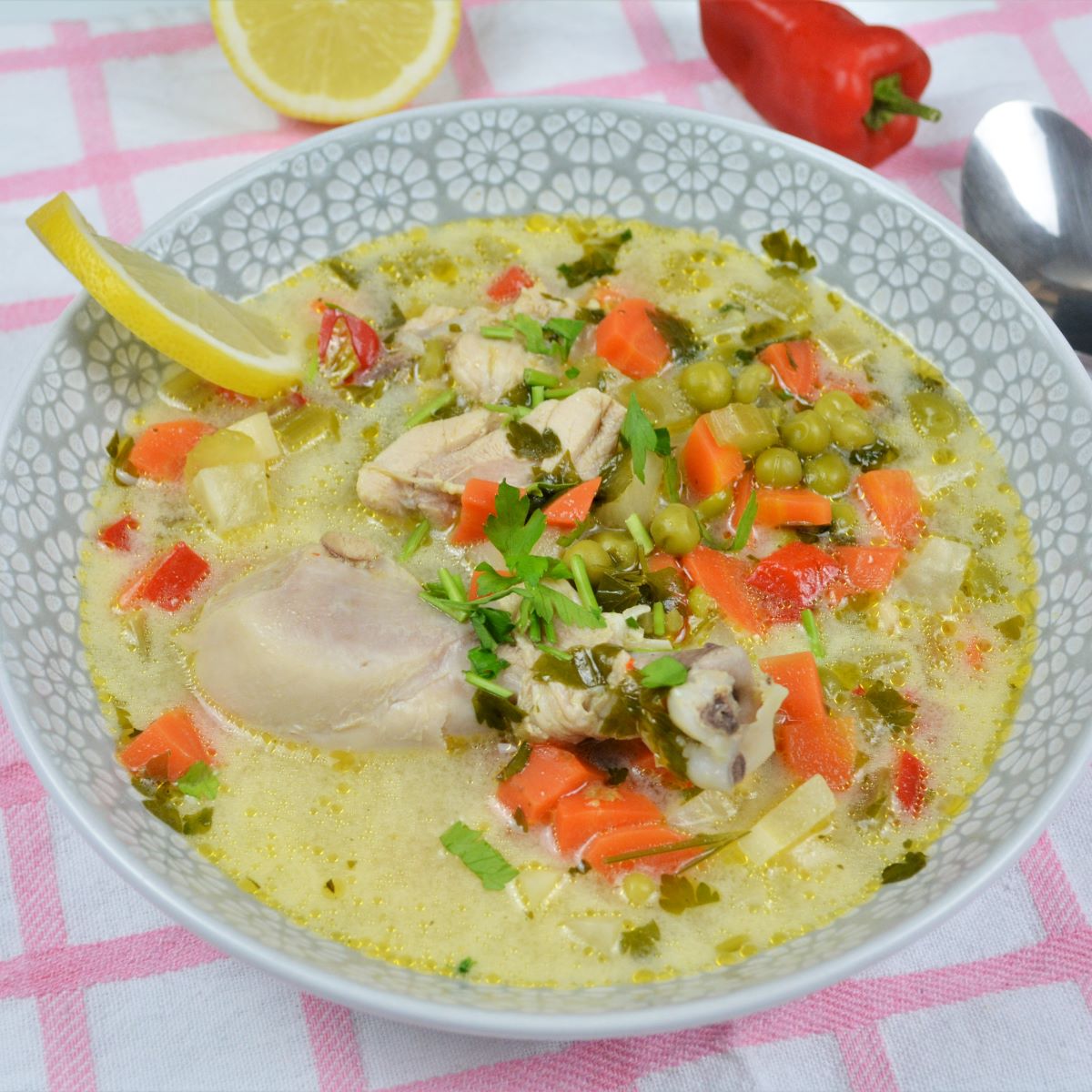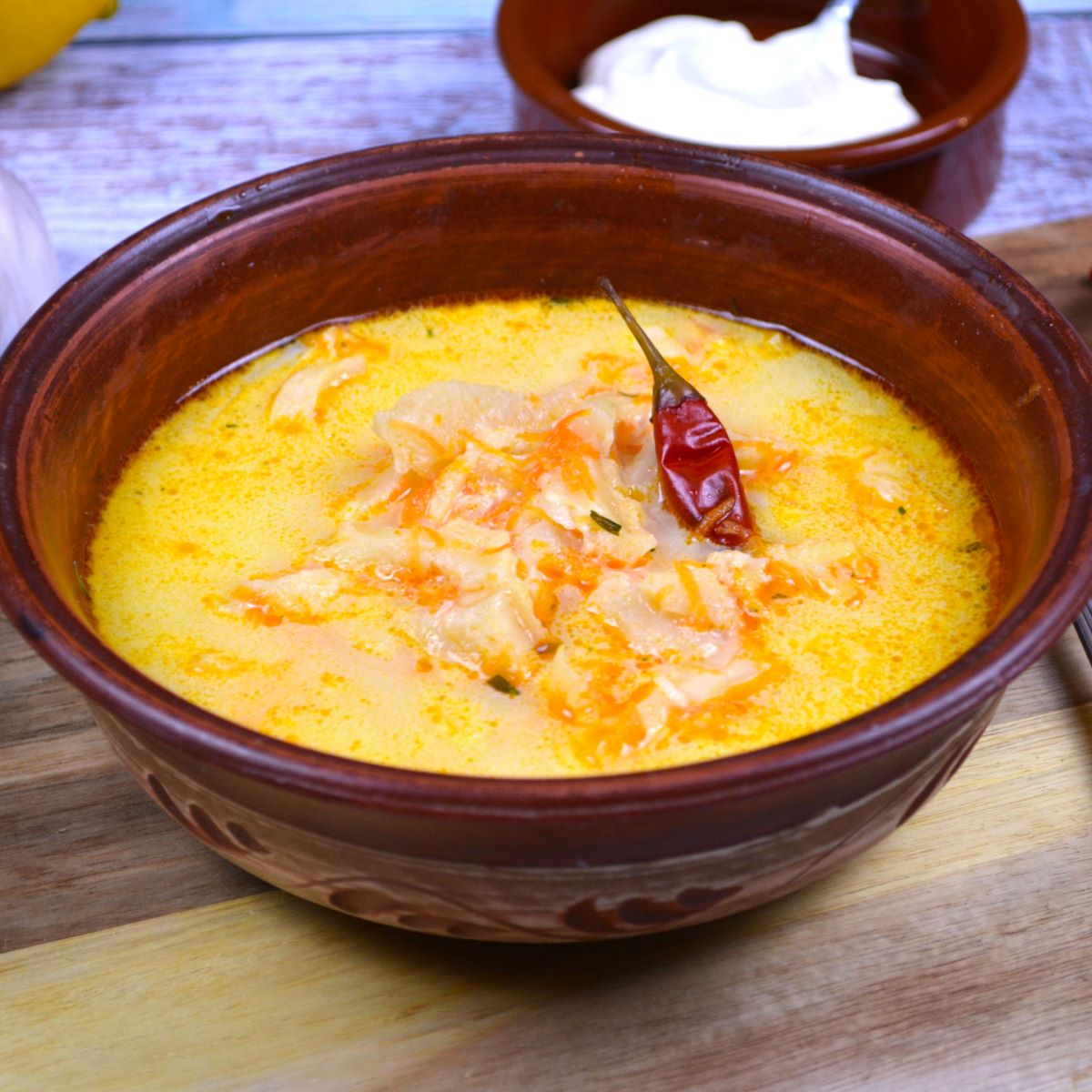

There is nothing quite as comforting on a chilly Sunday afternoon as a steaming bowl of homemade semolina dumplings soup. Known across Central Europe as grízgaluska leves (or Grießnockerlsuppe in Austria), this traditional soup pairs a crystal-clear, slow-simmered broth with golden dumplings that are impossibly light, tender, and pillowy.
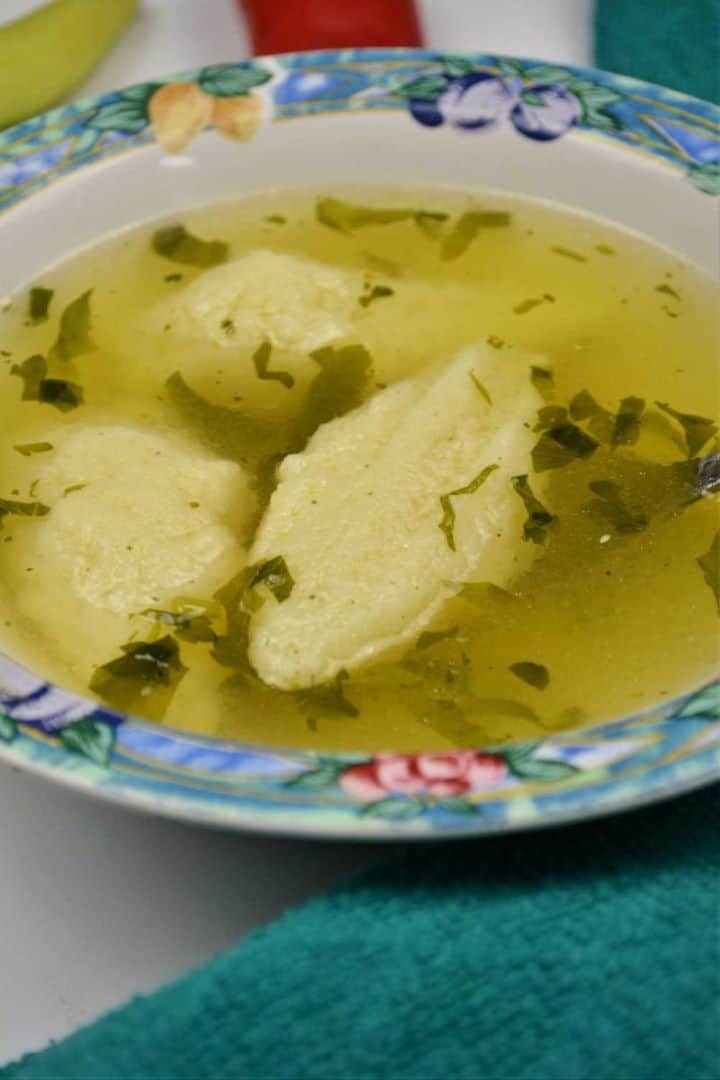
Growing up with Hungarian family traditions, this soup was the undisputed star of our Sunday family table. But if you have ever tried making semolina dumplings at home, you know how tricky they can be-one minor slip in proportions, and they either turn into dense, rubbery hockey pucks or dissolve completely into the broth.
In this authentic recipe, I will show you the exact egg-to-semolina ratio and the simple resting technique that guarantees melt-in-your-mouth dumplings every single time. Whether you simmer them in a rich beef and vegetable broth or a light chicken stock, these fluffy dumplings will hold their shape beautifully while soaking up every drop of savoury flavour.
Jump to:
- Why You'll Love This Recipe
- Key Ingredients & Proportions
- Ingredient Notes & Helpful Substitutions
- Secrets for Fluffy, Pillowy Semolina Dumplings
- How to Make Authentic Semolina Dumplings Soup
- Top Tips for Perfect Semolina Dumplings
- Serving Suggestions
- Storage & Reheating Instructions
- Frequently Asked Questions (FAQ)
- More Traditional Hungarian Soups to Try
- Did You Try This Recipe? Let's Connect!
- Authentic Hungarian Semolina Dumplings Soup (Grízgaluska Leves)
Why You'll Love This Recipe
- Melt-in-your-mouth dumplings: Using the proper egg-to-semolina ratio yields golden dumplings that puff up light and tender-never dense or rubbery.
- A true two-in-one Sunday meal: Simmering a beef joint creates a deeply flavourful, crystal-clear broth for the soup, while giving you tender boiled beef to serve as a classic main course with horseradish sauce and potatoes.
- Naturally comforting and wholesome: Made with real root vegetables, simple pantry staples, and zero artificial flavorings.
- Versatile broth options: While this recipe features rich beef broth, the dumplings cook just as wonderfully in chicken or vegetable stock.
Key Ingredients & Proportions
Making authentic semolina dumplings soup relies on simple, wholesome pantry staples. Because the ingredient list is straightforward, the quality, cut, and proportions make all the difference between a cloudy soup with hard dumplings and a crystal-clear broth with light, pillowy bites.
For the Fluffy Semolina Dumplings
- Coarse Semolina (Búzadara): Use coarse wheat semolina rather than fine semolina flour (semola rimacinata). Coarse granules absorb the liquid slowly, swelling into a light, tender sponge. Fine semolina flour creates a dense, pasty dumpling that turns gummy.
- Fresh Eggs: Free-range eggs give the dumplings a rich golden color and provide the protein structure needed to trap steam and puff up during cooking. Use room-temperature eggs so the batter mixes smoothly.
- Pinch of Salt: Enhances the natural wheaty flavour of the semolina.
The Golden Consistency Rule: Egg sizes vary widely. Rather than dumping all the semolina in at once, whisk your eggs first, then stir in the coarse semolina gradually until you reach the consistency of thick oatmeal or soft buttercream. It should be easily scoopable with a teaspoon, neither runny nor stiff.
For the Clear Broth & Vegetables
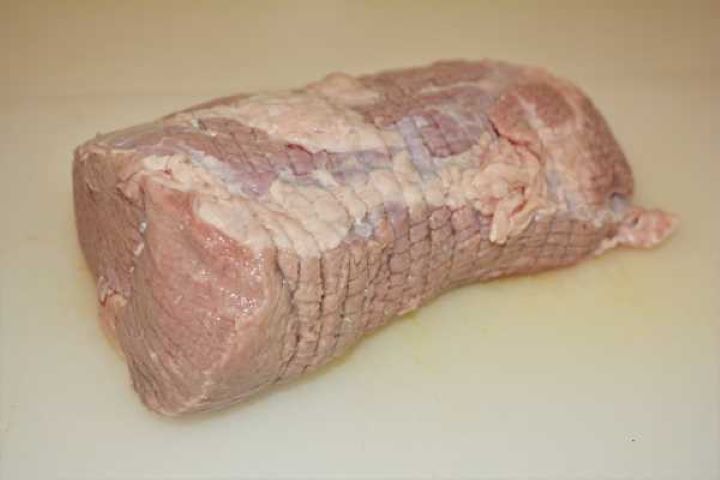
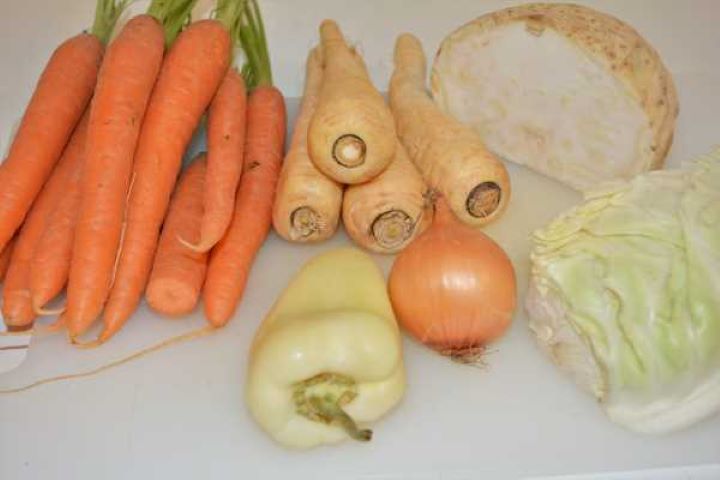
- Beef Joint (1 kg): A lean cut of beef (such as silverside, top rump, or brisket) simmers slowly to yield a clean, golden broth. Simmering the beef whole keeps the meat tender so it can be sliced and served as your main course with horseradish sauce and mashed potatoes. (You can also substitute beef marrow bones or poultry if you only want the soup).
- Root Vegetables (Carrots & Parsley Roots): Sweet carrots provide natural sweetness and a warm color. Parsley root (fehérrépa) is a classic staple in Hungarian soups, offering an earthy, peppery sweetness distinct from parsnips.
- Aromatic Trio (Onion, Celery Root & Yellow Pepper):
- Yellow Onion: Simmered whole to perfume the broth.
- Celery Root (Celeriac): Imparts deep, savoury depth without the stringiness of celery ribs.
- Sweet Yellow Pepper: A classic Hungarian wax pepper (or yellow bell pepper) added whole brings a subtle aromatic sweetness that defines traditional Central European broths.
- Cabbage Wedge: A quarter head of white cabbage adds gentle sweetness and helps keep the broth balanced.
- Seasoning & Herbs: Sea salt, freshly ground black pepper, a touch of vegetable soup seasoning mix, and plenty of fresh flat-leaf parsley stirred in right at the end for brightness.
Ingredient Notes & Helpful Substitutions
- Meat & Broth Base: If you don't plan to serve the boiled beef as a separate second course, you can replace the whole beef joint with beef marrow bones, chicken carcass, or turkey wings. A rich poultry or beef bone broth creates an equally delicious base for the dumplings.
- Parsley Root (Fehérrépa): Parsley root gives Hungarian broths their signature herbal, peppery depth. If your local grocer doesn't stock it, you can substitute parsnip (note that parsnips are naturally slightly sweeter) or simply add extra carrot along with a bundle of fresh parsley stems.
- Vegetable Variations: Traditional Sunday soup is flexible. Feel free to add a halved kohlrabi, leek, or celery stalks along with the carrots and celeriac.
- Time-Saving Broth Option: If you don't have two hours to simmer meat from scratch, you can use a good-quality ready-made beef or chicken stock, simmer it with sliced carrots for 15 minutes, and focus your time entirely on perfecting the homemade semolina dumplings.
Secrets for Fluffy, Pillowy Semolina Dumplings
Getting semolina dumplings (grízgaluska) to turn out soft, airy, and melt-in-your-mouth tender is an art of simple proportions and gentle cooking. Follow these golden rules to avoid the two most common pitfalls: hard, bullet-like centers or dumplings that disintegrate into the pot.
1. Give the Batter Time to Rest (10-15 Minutes)
Never drop freshly mixed batter straight into the hot soup. Coarse semolina grains need at least 10 to 15 minutes at room temperature to absorb the egg moisture and swell.
- If you cook the mixture immediately, the semolina grains will still be dry and compact, resulting in dense, heavy dumplings.
- After resting, the mixture should look like a thick, scoopable buttercream. If it still looks loose and runny after 15 minutes, stir in one extra teaspoon of semolina and wait another 2 minutes.
2. Form Smaller Dumplings Than You Think You Need
Semolina dumplings puff up significantly as they cook, typically doubling or even tripling in size.
- Use a small teaspoon (or the tip of a soup spoon) to scoop out walnut-sized portions or quenelles.
- The Hot Broth Trick: Dip your spoon into the simmering broth before scooping each dumpling. The hot liquid lubricates the spoon so the batter slides cleanly into the soup without sticking or tearing.
3. Maintain a Gentle Simmer, Never a Rolling Boil
A violent, rolling boil creates turbulent bubbling that mechanically tears the delicate dumplings apart before their outer egg proteins have a chance to set.
- Bring the broth to a gentle simmer on low heat before dropping in the dumplings.
- You want small, lazy bubbles rising to the surface, not a vigorous rolling boil.
4. Always Drop a "Test Dumpling" First
Before committing the entire batch of batter to your pot, drop a single teaspoon of mixture into the simmering broth:
- If it dissolves or frays around the edges: The mixture has too much liquid. Stir in 1 to 2 tablespoons of semolina, let it sit for 5 minutes, and test again.
- If it stays rock-hard after 5 minutes: The mixture has too much semolina. Whisk in a tablespoon of beaten egg or a splash of broth to soften the batter.
5. Let Them Steam Off the Heat
Once all the dumplings have risen to the surface, lower the heat to the absolute minimum, cover the pot with a tight-fitting lid, and let them simmer gently for 8 to 10 minutes. Then, turn off the heat completely and leave the lid on for an additional 10 minutes. The trapped steam finishes cooking the centers gently, ensuring they become fluffy all the way through without drying out.
How to Make Authentic Semolina Dumplings Soup
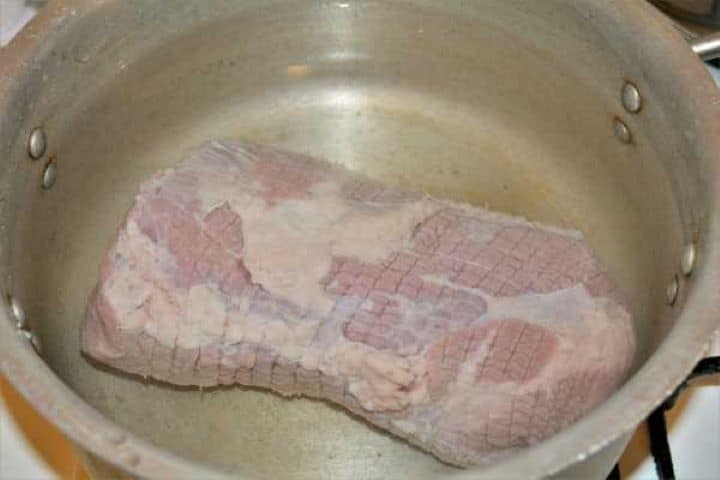
1: Start the Beef Broth in Cold Water
- Place the whole beef joint into a large soup pot and cover it completely with cold water (about 3 to 3.5 litres).
- Pro Tip for a Clear Broth: Always start meat in cold water rather than boiling water. As the water slowly heats up, meat proteins dissolve and float to the top as foam, making them easy to skim off.
- Bring the pot to a gentle boil over medium-high heat. As soon as it begins to boil, reduce the heat to low. Use a fine-mesh skimmer or slotted spoon to skim off any grey foam rising to the surface during the first 10 to 15 minutes until the liquid remains clear.
2: Add Vegetables and Simmer Low and Slow
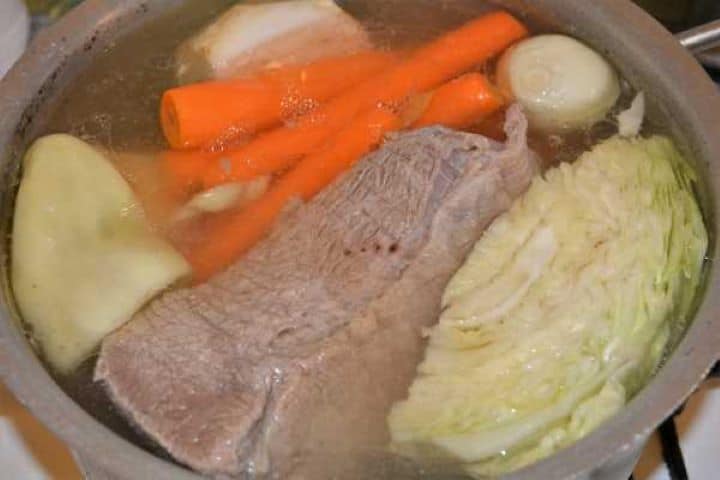
- Once the broth is skimmed and clear, add your prepared vegetables: peeled whole carrots, parsley roots, celery root chunk, cabbage wedge, whole peeled onion, and sweet yellow pepper.
- Season with 1 tablespoon of coarse sea salt, 1 teaspoon of freshly cracked black pepper, and 1 teaspoon of vegetable seasoning mix.
- Turn the heat to the lowest setting, cover partially with a tilted lid, and let the soup simmer gently for 1 hour to 1 hour and 15 minutes, until the beef is fork-tender and the root vegetables are soft. Never let the broth boil vigorously; a gentle, slow simmer preserves clarity and concentrates the sweet vegetable flavours.
3: Strain the Broth and Carve the Meat
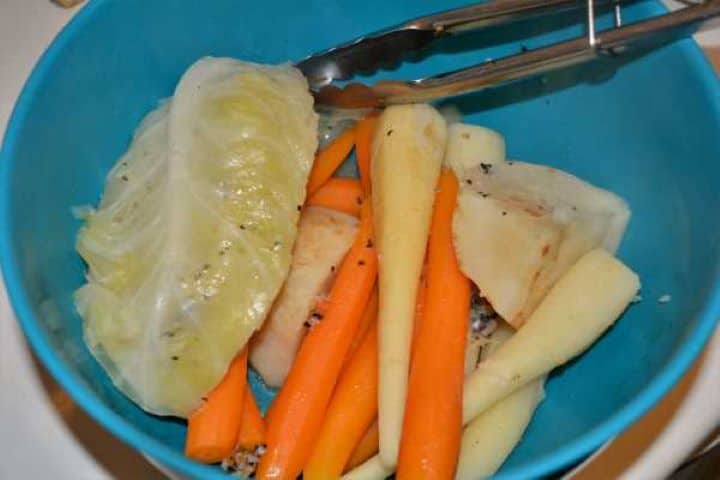
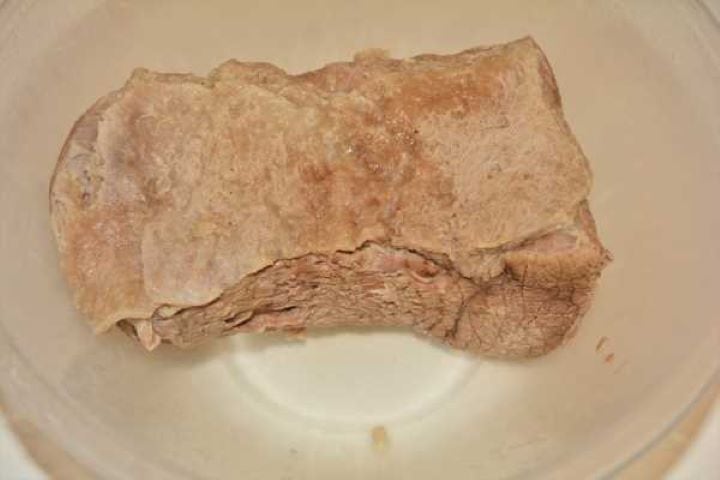
- Carefully lift the boiled beef joint and tender vegetables out of the pot using tongs or a slotted spoon and transfer them to a platter.
- Keep the vegetables warm for serving alongside the soup.
- Set the beef aside covered-it is ready to be sliced and served as your classic Sunday second course with horseradish sauce and mashed potatoes.
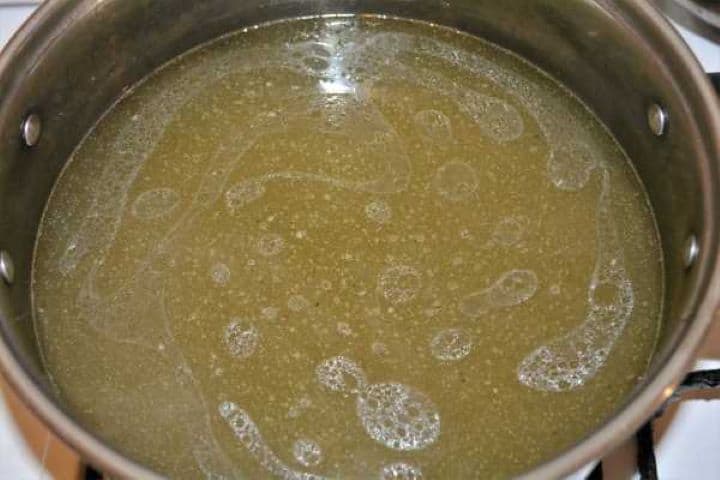
- Pour the remaining broth through a fine-mesh sieve lined with cheesecloth or a clean kitchen towel into a clean saucepan. This yields a sparkling, golden broth free of loose meat fragments. Taste the broth and adjust the seasoning with a pinch more salt or vegetable seasoning if desired.
4: Mix and Rest the Semolina Dumpling Batter
While the broth finishes simmering, prepare the dumpling batter:
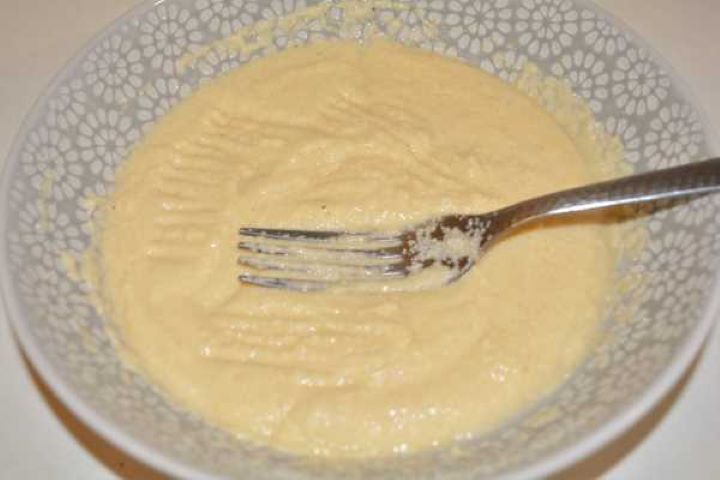
- In a medium bowl, crack the 2 large free-range eggs and beat them lightly with a fork until blended.
- Add a pinch of salt.
- Gradually pour in the coarse semolina, stirring with a fork until thoroughly combined.
- The Resting Step: Leave the mixture on the counter for 10 to 15 minutes. As it rests, the semolina grains hydrate, and the batter transforms from a runny mix into a soft, scoopable paste resembling thick buttercream.
5: Shape and Simmer the Dumplings
Bring the strained broth (or a separate pot of lightly salted water) to a very gentle simmer over low heat.
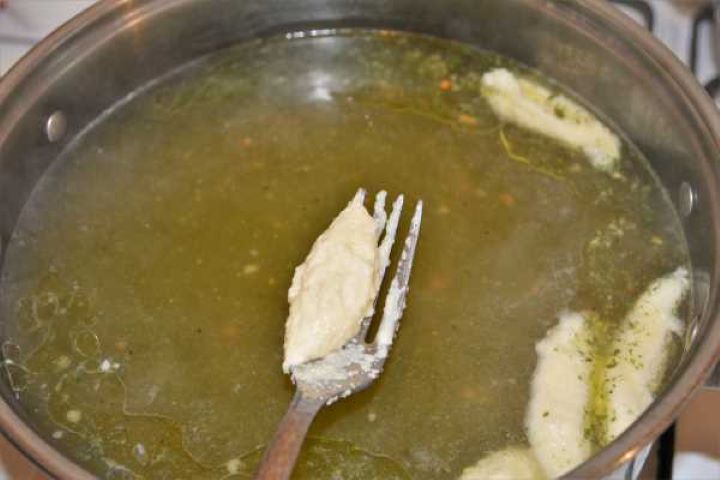
- Dip a teaspoon into the hot broth to lubricate it so the batter slides off cleanly.
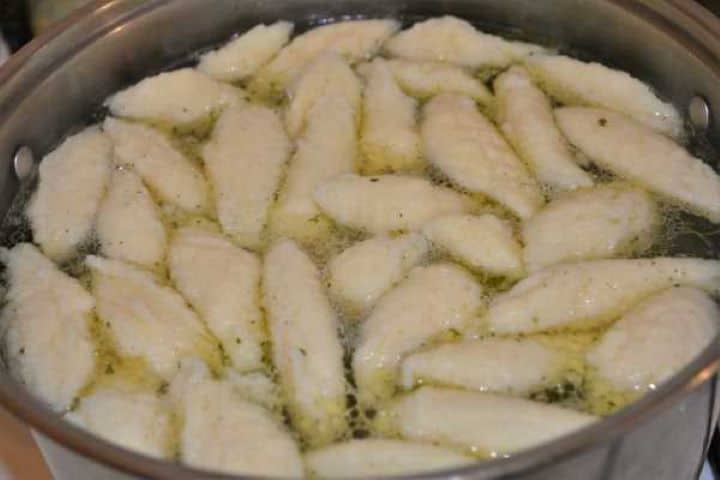
- Scoop up about half a teaspoon of batter (they double in size while cooking) and slide it gently into the simmering liquid. Repeat with the remaining batter.
- Once all dumplings are in, reduce the heat to the lowest setting, cover the pot with a tight-fitting lid, and simmer gently for 8 to 10 minutes.
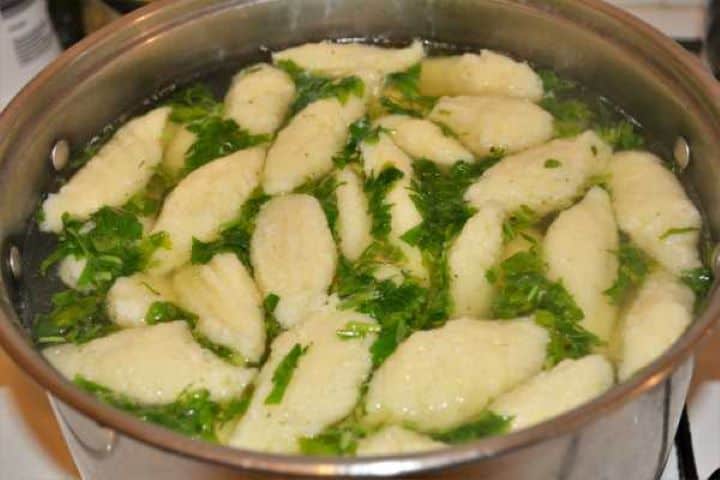
- Turn off the heat completely, leaving the lid on, and let the dumplings steam in the hot broth for an additional 10 minutes. They will puff up into soft, airy pillows that melt in the mouth.
6: Garnish and Serve
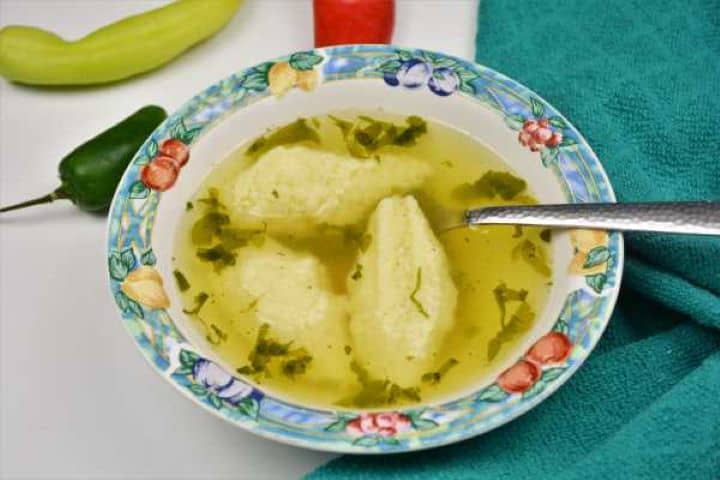
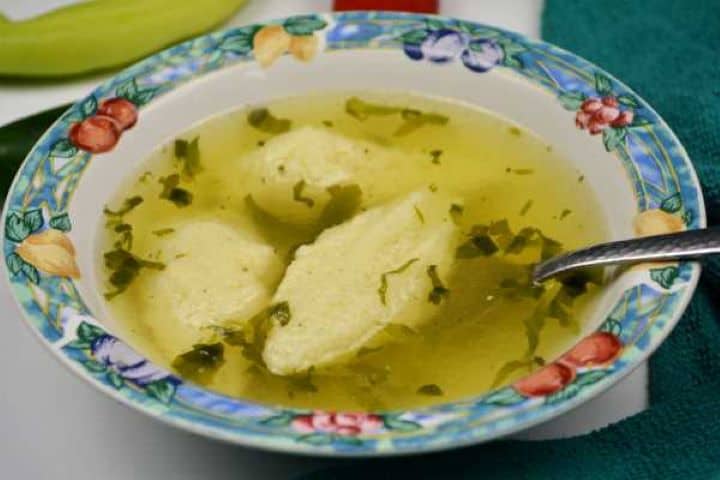
- Ladle the hot, clear broth and fluffy dumplings into warmed shallow soup bowls. Slice some of the sweet boiled carrots and parsley roots and add them to each bowl. Scatter generously with freshly chopped flat-leaf parsley and serve immediately with fresh crusty bread and pickled or fresh hot chilli pepper on the side.
Top Tips for Perfect Semolina Dumplings
- Use Coarse Semolina, Not Fine Flour: Always pick coarse wheat semolina (búzadara). Coarse grains absorb broth gradually and swell into light, airy sponges, while fine semolina flour produces heavy, pasty dumplings.
- Never Skip the 15-Minute Rest: Raw semolina needs time to drink in the egg moisture. Resting the batter allows the grains to hydrate and expand into a soft, scoopable paste before cooking.
- Dip Your Spoon in Hot Broth First: Before scooping each dumpling, dip your teaspoon into the hot broth. The thin layer of hot liquid acts as a natural lubricant so the raw batter slides off the spoon cleanly without sticking.
- Keep the Heat Low: Vigorous bubbling will tear delicate dumplings apart. Keep the liquid at a gentle, lazy simmer so the outer egg protein sets gently without breaking.
- Trap the Steam: Once the dumplings float, cover the pot tightly and simmer for 8-10 minutes, then turn off the heat and leave the lid on for 10 more minutes. The trapped steam finishes cooking the centers so they turn out pillowy soft all the way through.
Serving Suggestions
- The Traditional Sunday Feast: Serve the soup first as an appetizer. Follow immediately with slices of the tender boiled beef served warm alongside creamy mashed potatoes and a vibrant homemade horseradish sauce (tormamártás).
- With Fresh Chilli: In Transylvanian and Hungarian tradition, a crisp, spicy green or yellow chilli pepper (hegyes erős paprika) is served on the side to bite into between spoonfuls of hot broth.
- Serve the steaming soup with freshly cracked black pepper and thick slices of warm crusty homemade potato bread or alongside crispy traditional lángos.
Storage & Reheating Instructions
- In the Refrigerator: Store leftover soup in an airtight glass container in the fridge for up to 3 days. For best results, store the dumplings and vegetables in a separate container from the clear broth; leaving dumplings submerged in broth for multiple days will cause them to absorb excess liquid and soften.
- Reheating: Reheat gently in a small pot over low heat on the stovetop until piping hot. Avoid rapid boiling in the microwave, which can make the dumplings rubbery.
- Freezing: The clear beef broth freezes exceptionally well for up to 3 months. However, semolina dumplings do not freeze well, as ice crystals compromise their delicate sponge structure. Make dumplings fresh for the best texture.
Frequently Asked Questions (FAQ)
Always use coarse wheat semolina (often labeled as búzadara, coarse farina, or coarse durum semolina). Avoid fine semolina flour (semola rimacinata or semolina flour for pasta). Coarse granules absorb liquid slowly and swell into a light, tender sponge structure, whereas fine semolina flour produces dense, gummy, or pasty dumplings.
Dumplings usually disintegrate for three reasons:
1. The batter was too wet: There was too little semolina to bind with the egg proteins. Always let the batter rest 10-15 minutes to gauge its true thickness before cooking.
2. The broth was boiling too vigorously: Rapid boiling creates turbulent bubbles that physically break the delicate dumplings before the egg exterior sets.
3. The broth was not hot enough: Dropping batter into lukewarm broth causes the mixture to dissolve rather than firm up.
Dumplings turn hard when the batter contains too much semolina, if the resting step was skipped, or if they were cooked on high heat. If too much dry grain is added, the center cannot absorb enough moisture. Resting the batter allows the grains to hydrate evenly, and simmering gently with the lid on lets steam cook the core to a light, pillowy finish.
Small dumplings take about 8 to 10 minutes of gentle simmering on low heat once they float to the surface, followed by 10 minutes of resting off the heat with the lid closed. This steaming period ensures the heat penetrates all the way through without drying out the exterior.
Yes. If you want to keep your beef broth crystal clear, bring a separate saucepan of lightly salted water (or a small ladle of seasoned stock) to a gentle simmer and cook the dumplings there. Once cooked, lift them out with a slotted spoon and place them directly into serving bowls before ladling hot broth over the top.
You can prepare the beef and vegetable broth up to 3 days in advance. However, semolina dumplings are always best cooked fresh. If leftover dumplings remain in the soup pot in the refrigerator, they will continue to soak up broth over time, becoming very soft and making the broth cloudy.
The strained beef broth freezes well for up to 3 months. Semolina dumplings do not freeze well; the water absorbed by the semolina forms ice crystals that break down their delicate sponge texture, making them mushy or grainy once thawed. For the best texture, freeze only the broth and make fresh dumplings when ready to serve.
More Traditional Hungarian Soups to Try
If you love comforting, authentic soups made with slow-simmered vegetables and traditional flavours, explore these family favourites next:
- Transylvanian Cauliflower Soup: A silky, comforting soup enriched with sour cream and tender vegetables-a family staple.
- Smoked Sausage Potato Soup: Hearty, rustic, and seasoned with sweet paprika and Hungarian smoked sausage (kolbász).
- Traditional Sauerkraut Soup with Smoked Sausage: A tangy, warming winter soup packed with sauerkraut and savoury smoked meat.
- Creamy Kohlrabi Soup: Delicate, slightly sweet, and finished with a traditional roux and fresh parsley.
Did You Try This Recipe? Let's Connect!
Did you make this authentic semolina dumplings soup? I'd love to hear how your dumplings turned out! Please leave a comment and a star rating below-your feedback means the world to me and helps other home cooks find the recipe.
To stay connected and discover more traditional family favourites, follow along on Facebook, Instagram, and Pinterest. For detailed step-by-step cooking videos, make sure to subscribe to our YouTube channel so you never miss a new recipe!
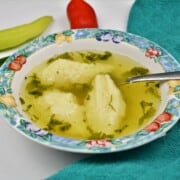
Authentic Hungarian Semolina Dumplings Soup (Grízgaluska Leves)
Equipment
- 1 Large stockpot soup pot (5-6 litre)
- 1 mixing bowl
- 1 Fine-mesh sieve/skimmer
- 1 Teaspoon
Ingredients
For the Clear Beef & Vegetable Broth:
- 1 kg beef joint such as silverside, brisket, or top rump, boneless
- 3.5 l Water cold
- 400 g carrots (about 8-10 medium), peeled and left whole
- 4 pieces parsley roots (fehérrépa), peeled and left whole
- ½ pieces celery root celeriac, peeled
- ¼ pieces cabbage small head white cabbage
- 1 piece onion medium, peeled and left whole
- 1 piece Hungarian sweet pepper (wax pepper), whole
- 1 tablespoon sea salt fine, adjust to taste
- 1 teaspoon ground pepper freshly ground
- 1 teaspoon vegetable mix for soups such as Vegeta or Delikát
For the Fluffy Semolina Dumplings:
- 2 pieces eggs large, room temperature
- 250 g semolina coarse, (búzadara)
- ¼ teaspoon sea salt fine
For Garnish & Serving:
- ½ bunch parsley fresh, finely chopped
Instructions
- Start the Broth Cold: Place the beef joint in a large soup pot and pour in 3.5 litres of cold water. Heat over medium-high heat until it begins to simmer.
- Skim the Foam: As soon as bubbling begins, reduce the heat to low. Skim off all grey foam rising to the top using a fine skimmer or slotted spoon for 10-15 minutes until the broth is clear.
- Add Vegetables & Simmer: Add the carrots, parsley roots, celeriac, cabbage wedge, whole onion, and yellow pepper. Season with sea salt, ground black pepper, and the vegetable soup seasoning. Cover partially and simmer on the lowest heat setting for 1 hour to 1 hour 15 minutes, until the beef is tender.
- Strain Broth: Lift out the meat and vegetables onto a serving plate. Pour the soup through a fine-mesh sieve into a clean pot to achieve a crystal-clear golden broth. Keep warm over low heat.
- Make the Dumpling Batter: In a bowl, beat the 2 eggs and salt with a fork. Gradually stir in the coarse semolina until well incorporated. Set aside at room temperature for 10 to 15 minutes to rest and thicken into a scoopable consistency.
- Shape and Cook Dumplings: Bring the strained broth to a very gentle simmer on low heat. Dip a teaspoon into the hot soup, scoop up half a teaspoon of batter, and drop it into the broth. Repeat with the remaining batter.
- Steam to Fluffiness: Once all dumplings float to the surface, cover the pot tightly with a lid and simmer gently for 8-10 minutes. Turn off the heat completely and let the pot sit covered for an additional 10 minutes to finish steaming through to the centre.
- Assemble & Serve: Slice the cooked carrots and parsley roots. Ladle hot broth, sliced vegetables, and fluffy dumplings into soup bowls. Garnish with fresh chopped parsley and serve with sliced hot chilli pepper.
Notes
- Semolina Measurement: Egg sizes vary. Start with 180 g coarse semolina for 2 large eggs. After resting for 10 minutes, the batter should be thick like buttercream. If it is too runny, add 1 extra tablespoon of semolina and rest for 2 more minutes.
- The Test Dumpling: Always drop one test dumpling into the simmering broth first. If it dissolves, your batter needs 1-2 tablespoons more semolina. If it is too hard after 5 minutes, whisk 1 tablespoon of warm broth into the remaining batter.
- Coarse Semolina vs. Fine Flour: Always use coarse wheat semolina (búzadara or durum wheat semolina). Fine semolina flour will make the dumplings dense and pasty.
- Clear Broth Alternative: If you prefer an ultra-clear presentation, cook the dumplings in a separate pot of lightly salted simmering water for 10 minutes, drain with a slotted spoon, and transfer directly into soup bowls before ladling hot broth over them.
- Serving the Boiled Beef: The tender simmered beef joint makes a traditional second course. Slice warm and serve with boiled or mashed potatoes and a creamy horseradish sauce.
Nutrition
This post contains affiliate links. Read the full disclosure here.